

Growing-flower loss
Weather, disease, or failure of irrigation or climate systems can affect a crop before harvest; production method changes the exposure.
Try a different word, or check the spelling.
An order for a particular event gives your flowers a deadline as well as a price. Insurance for cooling and delivery needs careful attention, without treating it as a promise that every order will sell.
The Southern Agency can review your growing and cut-stem operation, including cooling and delivery responsibilities.
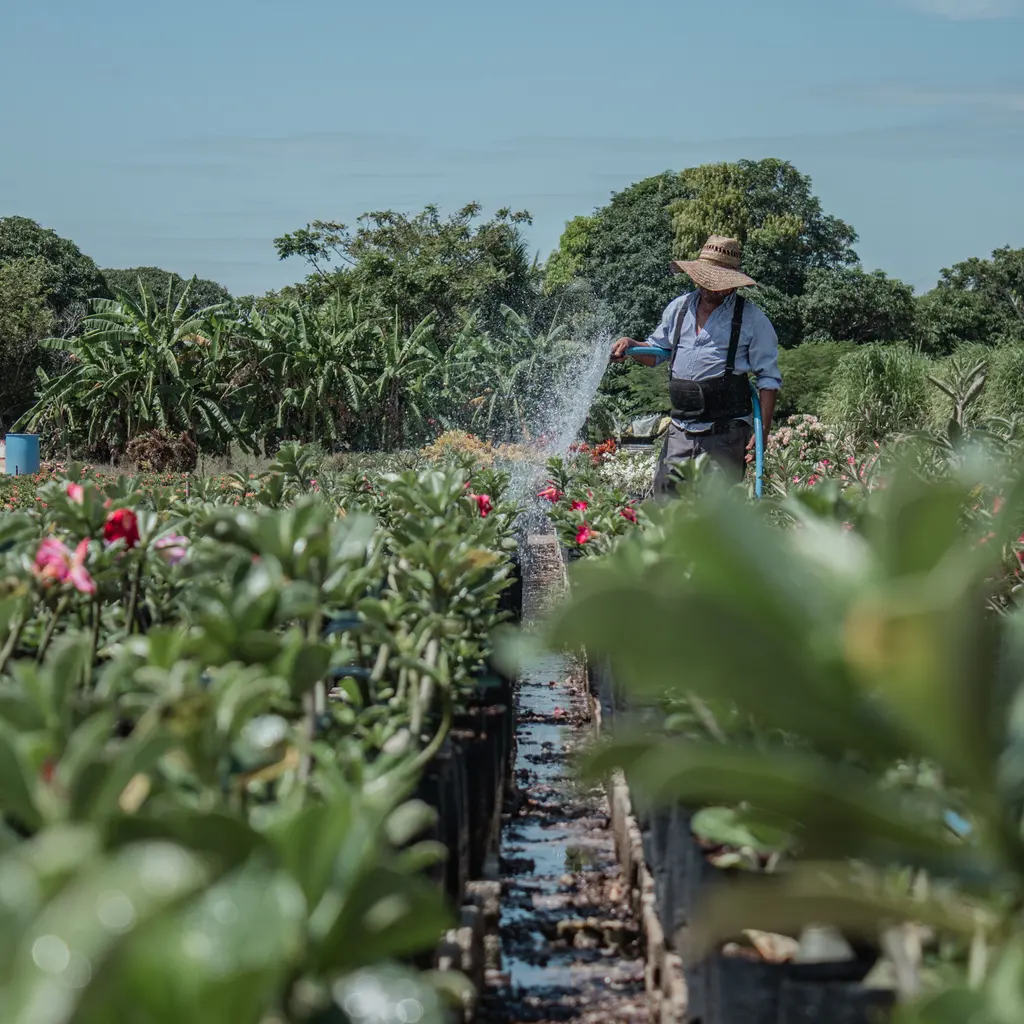
You grow flowers in fields, tunnels or greenhouses and prepare them for florists, events or markets. Because flowers are perishable, a cooling failure or a transit delay can result in significant losses that are not always covered by standard property insurance.
The Southern Agency can review your entire process, from growing to delivery, to help select appropriate insurance. For example, we can help clarify that while your cooling equipment may be covered, the loss of spoiled flowers due to a refrigeration failure requires separate, specific coverage.
Weather, disease, or failure of irrigation or climate systems can affect a crop before harvest; production method changes the exposure.
Temperature, handling, and refrigeration problems can damage harvested flowers waiting for pickup or delivery.
Wind, hail, snow, or fire can damage tunnels, greenhouses, coolers, and equipment without necessarily producing the same insurance result for the crop.
Flowers reserved for a particular date, grade, or buyer can lose sale value or be rejected even when no insured physical damage has occurred.
Cutting, lifting, repetitive packing, carts, and chemical work create worker-injury concerns across seasonal peaks.
Collisions, temperature changes, handling, and delays can affect stems on the way to buyers or while held at a market or venue.
Policies to ask about. Which ones fit depends on your operations, your contracts, and the carrier’s forms.
These hypothetical examples are not agency claim results. Whether a loss is covered depends on the facts, policy terms, and applicable exclusions.
Hypothetical: refrigeration fails and harvested stems spoil before a holiday. Equipment breakdown may address the covered machine accident; flowers must qualify for applicable spoilage cover and its limits. Lost event deposits, replacement purchases, or missed sales do not automatically follow from the repair payment.
Hypothetical: a greenhouse heater fails and uncut plants are damaged by cold. Machinery coverage may pay for the insured heater while excluding growing plants. Crop or plant-loss terms must specifically apply; cut-stem spoilage cover is not proof of growing-crop protection.
Hypothetical: a delivery van collides and stems are crushed. Selected vehicle physical damage may address the van, while applicable goods-in-transit cover is needed for the load. A buyer's late-delivery penalty or quality guarantee is a separate contractual demand.
Start with the work you do and the questions your current policies leave unanswered. Carrier options depend on your location, risk, and underwriting. Explore our approach.
Only if the applicable cover includes those goods and that event. Check the perishable-goods definition, machine or utility trigger, conditions, valuation, and spoilage limit separately from cooler repair.
Do not assume so. Growing plants can be excluded from machinery or property forms, and crop programs have their own eligible commodities and practices. Nursery insurance for rooted plants is not proof that plants grown solely for cut blooms qualify.
That depends on the proposed coverage and growing method. Describe fields, tunnels, greenhouses and cooling as used, and confirm the form's eligibility rules. Equipment or structure insurance does not establish crop-program eligibility.
Vehicle liability and selected physical damage do not establish goods-in-transit payment. Review the flowers, temperature/handling causes, carrier, off-site stops, and who bears the loss.
A missed date or rejected order is not automatically insured. Compare actual physical loss and any income or extra-expense trigger with substitution, refund, and performance promises in the contract.
Growing methods, structures, crop and cut-stem values, coolers, system dependencies, sales and service channels, transport, workers, and losses inform underwriting. The flower-grower label alone establishes neither eligibility nor price.
Bring your questions, current policies, and relevant contracts. An agent can review coverage terms, exclusions, and the information carriers ask for, then explain the options available to you.