

Frost, hail, and storm crop loss
Bloom-time frost, hail and storms can damage developing fruit. Loss of permanent trees/bushes, the current crop, and future production are different interests; the farm's actual crop and planting cycle matter.
Try a different word, or check the spelling.
Opening your rows to customers changes the work of a harvest day. If you offer U-pick, rides or farm-made products, your insurance needs to recognize those activities alongside growing fruit.
The Southern Agency can help you coordinate your crop and visitor insurance needs from orchard management through retail sales.
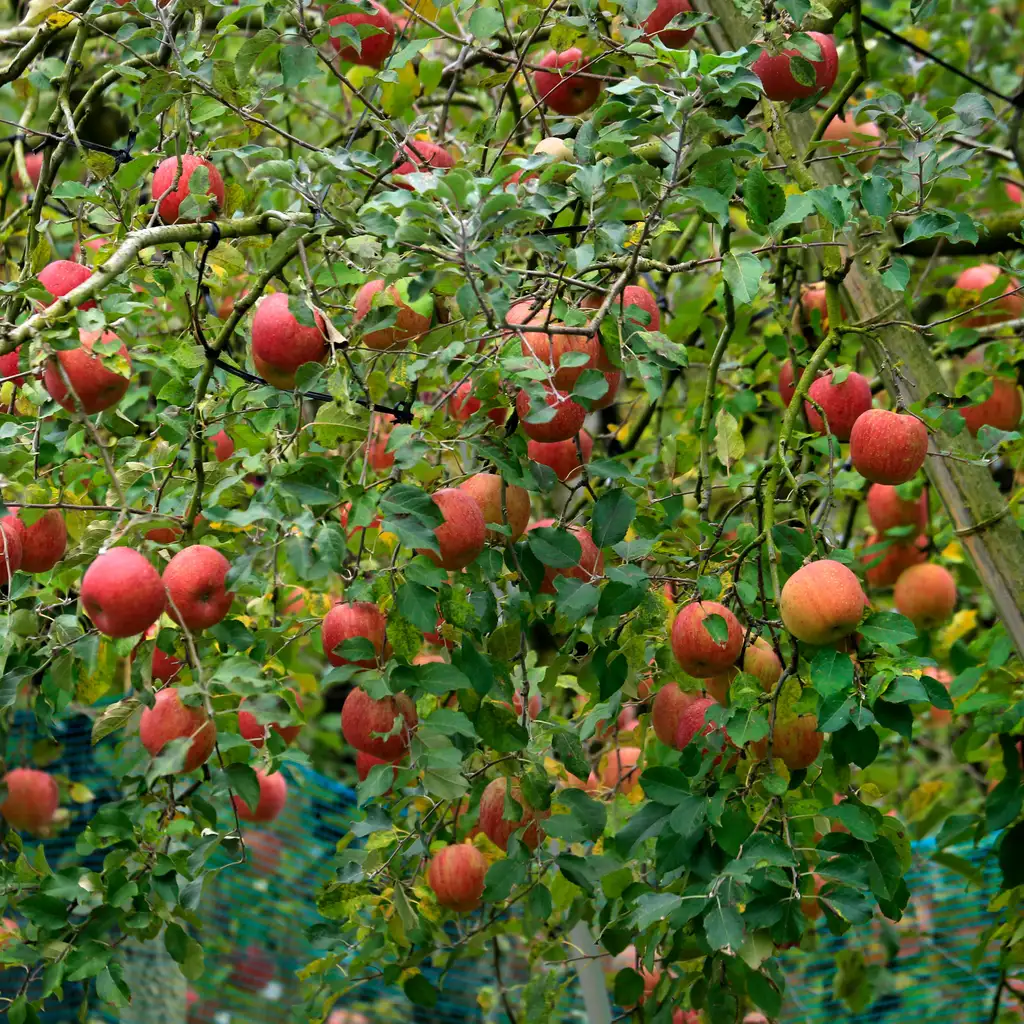
You grow fruit such as apples, peaches or berries and may sell through packers, markets or U-pick. During harvest, pickers may work beside visitors, coolers fill with fruit and any cider or jam production creates a different product exposure from selling fresh fruit.
The Southern Agency can review your crop varieties, sales channels, and public event schedules to help you select appropriate insurance. For example, we can help you evaluate how visitor-liability coverage applies to a wagon ride compared to your general farm operations.
Bloom-time frost, hail and storms can damage developing fruit. Loss of permanent trees/bushes, the current crop, and future production are different interests; the farm's actual crop and planting cycle matter.
Families picking fruit and riding wagons or hayrides on uneven ground create significant premises liability for the farm.
Cider, jam, and packed fruit sold to the public can lead to product or foodborne-illness claims if contamination is alleged.
Seasonal crews picking on ladders and around equipment during a compressed harvest face falls, strains, and injuries.
Refrigeration, sorting lines, and packing equipment can fail and spoil perishable fruit awaiting sale or shipment.
Pesticide and fungicide application and storage create handling, drift, and contamination concerns near visitors and neighbors.
Policies to ask about. Which ones fit depends on your operations, your contracts, and the carrier’s forms.
These hypothetical examples are not agency claim results. Whether a loss is covered depends on the facts, policy terms, and applicable exclusions.
Hypothetical: a visitor falls on uneven ground during picking. Applicable liability may address a covered injury under the accepted activity and policy terms. Review any offered wagons/hayrides, passenger use and vendors separately; public admission or a sign does not establish all those activities or medical-payment benefits.
Hypothetical: frost damages a developing crop. Any crop response depends on the actual crop, location, practice, insured interest/cause, and coverage period. Barn insurance does not establish fruit protection; damaged trees/bushes, lost current production, and future recovery income need separate review.
Hypothetical: a customer alleges illness after drinking the farm's cider. Applicable product liability may address covered injury/defense if the actual processing and product are within scope. Withdrawal, disposal, replacement, refunds, and buyer charges are separate from the illness claim.
Start with the work you do and the questions your current policies leave unanswered. Carrier options depend on your location, risk, and underwriting. Explore our approach.
Do not assume so. Identify the actual ride, operator, vehicle, passengers, and other attractions, then review accepted activities and exclusions. Farm-market premises, picking and passenger operations need their own scope check.
Disclose actual ingredients, processing, labels and sales. Injury/property-damage and defense terms do not establish every withdrawal, disposal, refund, replacement, or buyer charge. Compare those costs with actual recall/contamination terms.
No. Review actual crop/location/practice, covered interest/cause, and period, then any separate permanent-plant terms. Building insurance, current fruit-loss cover and replacement of trees/bushes do not establish future bearing-income payment.
Confirm stock ownership, peak values, eligible internal or utility failure, temperature/spoilage conditions, and income triggers. Wear, ordinary quality deterioration, buyer rejection and missed-sale promises can be treated differently.
No. Identify duties, employers, equipment, crop/property custody, and damage/cleanup allocations, with actual issued terms. Farm, temporary-worker or contractor labels and certificates do not alone settle worker or application obligations.
List each crop/block, planting and harvest cycles, production versus picked stock, cooling, processing, public activities, and sales/transport. The noncitrus label does not establish identical weather, plant, product or visitor terms for every part of the farm.
Bring your questions, current policies, and relevant contracts. An agent can review coverage terms, exclusions, and the information carriers ask for, then explain the options available to you.