

Crop, vine, and trellis damage
Weather and disease can harm grapes or vines, while trellises face separate physical damage. Vine destruction, partial damage, a lost harvest, and damaged supports are different loss interests.
Try a different word, or check the spelling.
If you welcome visitors for a tasting, the day's work extends beyond the vines. Your insurance needs to distinguish growing grapes from hosting guests and serving wine.
The Southern Agency can help you review your vineyard and hospitality operations to identify appropriate insurance coverage.
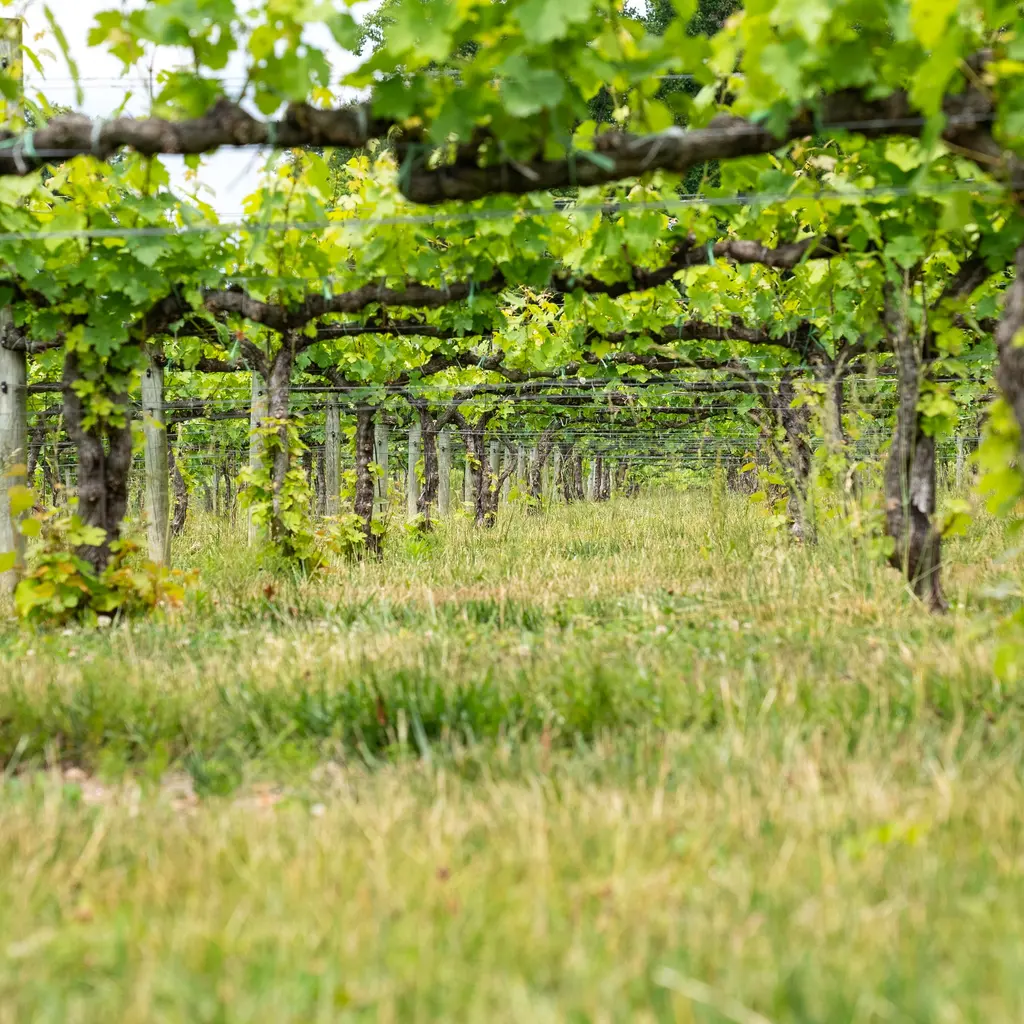
Your vineyard requires constant care from pruning to harvest, and hosting tastings or events adds complexity to your liability. An unexpected frost or an equipment failure can threaten your yield and your ability to host visitors safely.
The Southern Agency can help you review your vineyard maintenance and event hosting to help select insurance for your operation. We can discuss how your events and alcohol service require different liability protections than your crop management.
Weather and disease can harm grapes or vines, while trellises face separate physical damage. Vine destruction, partial damage, a lost harvest, and damaged supports are different loss interests.
Vineyards pouring wine for visitors face liability if an intoxicated guest later causes harm, an exposure standard farm forms may not address.
Guests walking rows, patios, and tasting areas can slip, trip, or be injured, creating premises liability beyond core farming.
Seasonal crews and mechanical harvesters working a compressed harvest face strains, cuts, and equipment-related injuries.
Tractors, sprayers, harvesters, and frost-protection fans are high-value and exposed to fire, overturns, and mechanical failure.
Grapes or wine sold to others can lead to product-related claims if a batch is contaminated or causes harm, depending on operations.
Policies to ask about. Which ones fit depends on your operations, your contracts, and the carrier’s forms.
These hypothetical examples are not agency claim results. Whether a loss is covered depends on the facts, policy terms, and applicable exclusions.
Hypothetical: a guest served wine at a tasting later injures someone and a claim alleges improper service. Applicable liquor terms must include the service and insured parties. Free samples or an outside pourer do not establish host-liquor protection, and the service contract does not create policy cover.
Hypothetical: hail damages fruit in one vineyard block. Applicable crop terms must include the crop, interest, location, cause, and period. A fruit payment does not establish vine replacement, partial vine damage, trellis repair, or all future production income; those terms need separate confirmation.
Hypothetical: a guest falls on uneven ground during a tour. Applicable liability terms may address a covered injury claim if the location, tour, and insured party are included. Insuring the vineyard property or obtaining a guest release does not establish tour coverage or remove the need to assess liability.
Start with the work you do and the questions your current policies leave unanswered. Carrier options depend on your location, risk, and underwriting. Explore our approach.
Do not assume so. Confirm each interest, location, stage, cause, valuation, period, and damage threshold. Fruit-production cover, vine-destruction terms, supports, and time to restore bearing production can involve different protection.
Do not infer coverage from the absence of a separate drink charge. Describe actual sales, service, packages, events, and providers and review the business/host wording, permits, contracts, and exclusions.
Not automatically. Describe production, storage, food/alcohol service, tours, guest areas, and provider roles where offered. A vineyard/property description does not establish cellar, product, event, or visitor liability.
Machine damage, internal failure, utility interruption, damaged fruit/vines, and lost production need separate terms. Insuring a fan, pump, or tractor does not guarantee the crop or frost-protection result.
Not necessarily. Quality/acceptance and contractual production charges differ from covered physical crop damage and product injury/property damage. Confirm actual cause, interests, crop period, policy terms, and buyer commitments.
Review block/crop documents and reporting conditions with the appropriate crop-insurance agent, then confirm crews, equipment, transport, ownership changes, acceptance, and any processing. Crop, machinery, worker, cargo, and contract questions are separate.
Bring your questions, current policies, and relevant contracts. An agent can review coverage terms, exclusions, and the information carriers ask for, then explain the options available to you.