

U-pick and visitor injuries
Where offered, customer picking and stand visits bring people into rows, routes, and parking areas. Uneven ground or other conditions can lead to injury claims.
Try a different word, or check the spelling.
On a U-pick day, customers may be walking the same rows your harvest crew works. Your strawberry farm's insurance needs to distinguish visitor liability from protection for the people you employ.
The Southern Agency can help you review your harvesting, visitor access, and refrigeration operations to find appropriate insurance.
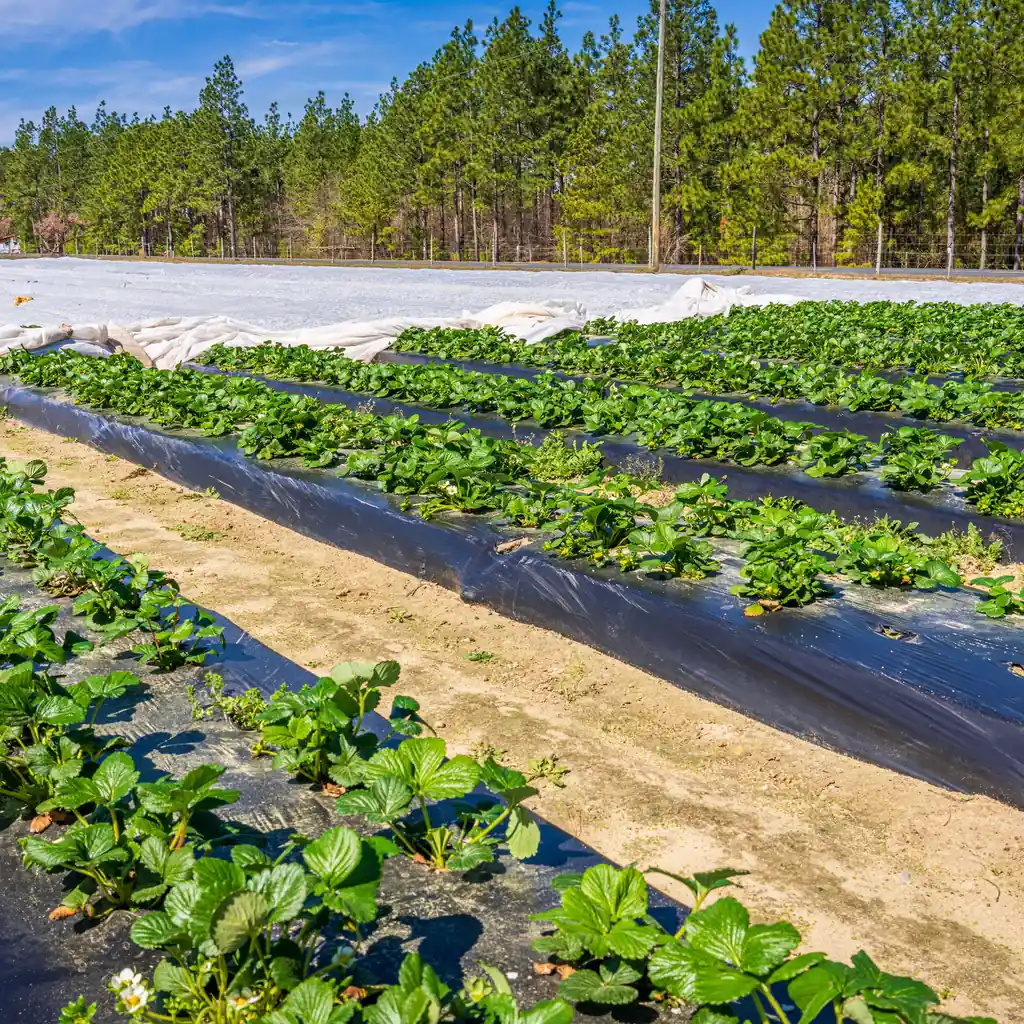
Your strawberry farm depends on seasonal labor and efficient cold-chain management to maintain product quality from field to sale. Whether you offer U-pick or wholesale distribution, a guest's injury in the field or a cooler failure after harvest can create immediate financial and operational challenges.
The Southern Agency can review your harvesting methods, public-access areas, and refrigeration needs to help you select appropriate insurance. For example, we can examine how your liability coverage applies to U-pick visitors while assessing your equipment breakdown coverage for your berry coolers.
Where offered, customer picking and stand visits bring people into rows, routes, and parking areas. Uneven ground or other conditions can lead to injury claims.
Berries sold directly or through buyers can be linked to contamination or illness allegations. Product injury and the cost of withdrawing or replacing fruit are different losses.
Cooling or power interruptions can affect harvested fruit awaiting sale. Prior condition, the cause and duration of interruption and the goods involved matter; a fixed spoilage deadline should not be assumed.
Hand picking, carrying, and packing involve bending, lifting, and repetitive work. Heat and other working conditions also matter where applicable, whether crews are small or large.
Frost, hail, and disease can affect growing strawberries and saleable yield. The planting, crop stage and event need review separately from damage to structures or picked fruit.
Where used, irrigation, plasticulture, and tunnels create equipment, covering, and growing-crop questions. Damage to a component and loss of the crop are separate interests.
Delivery vehicles and outside carriers create road, custody, and transit questions. Vehicle damage and liability are different from damage to the berries or a buyer's rejection.
Policies to ask about. Which ones fit depends on your operations, your contracts, and the carrier’s forms.
These hypothetical examples are not agency claim results. Whether a loss is covered depends on the facts, policy terms, and applicable exclusions.
Hypothetical: a customer trips in a plasticulture row during public picking. Applicable liability terms may address a covered injury claim if the picking activity and visitor area are included, subject to exclusions and responsibility. An injury alone does not establish liability or medical payments.
Hypothetical: a compressor fails and harvested berries deteriorate before collection. Applicable breakdown terms may address the eligible machine and cause; stock loss needs included spoilage terms, condition evidence, and sufficient limits. Missed orders, temporary cooling and the remaining season are not automatically part of the repair claim.
Hypothetical: consumers allege illness from berries traced to a stand lot. Applicable product liability terms may address covered injury claims and defense, subject to the handling, sales, and exclusions. Testing, withdrawal, disposal, refunds, and a buyer's replacement bill need separate review.
Start with the work you do and the questions your current policies leave unanswered. Carrier options depend on your location, risk, and underwriting. Explore our approach.
Describe public picking as an activity, not just a produce sale. Identify the rows, routes, parking, and other activities offered and compare them with liability terms. An insured farm location does not by itself establish every visitor activity or settle responsibility for an injury.
Do not infer that from a structure limit. Frames, coverings, irrigation, and growing fruit are different property interests. Supply construction and material details and ask about each cause, limit and deductible rather than assume one answer applies to them all.
Compare machine repair, eligible picked fruit, temporary cooling, and income separately. The stock's prior condition and the cause of deterioration matter. Income depends on applicable triggers, waiting, and restoration terms, not simply the number of selling days you lose.
Not by itself. Injury or property damage allegations differ from quality rejection, withdrawal, replacement, and delivery promises. Bring the buyer's explanation, lot and handling records and the agreement so those costs can be compared with the actual terms.
No. Have growing strawberries, planting and production practices, location, cause, and period reviewed separately. A building, cooler or stock schedule does not establish crop-program eligibility or a payable yield or disease loss.
No. Review actual employers, duties, work states, and payroll under the applicable agricultural employment rules. Seasonal or part-time status and a labor-provider agreement alone do not settle the obligation or every person's protection.
Bring your questions, current policies, and relevant contracts. An agent can review coverage terms, exclusions, and the information carriers ask for, then explain the options available to you.