Skip to content

Berry Farm Insurance

Picking is only part of getting your berries sold. The time fruit spends in a cooler or delivery vehicle brings insurance questions that coverage for the field alone cannot settle.

The Southern Agency can help you customize your berry farm's insurance to fit your specific harvest and sales model.

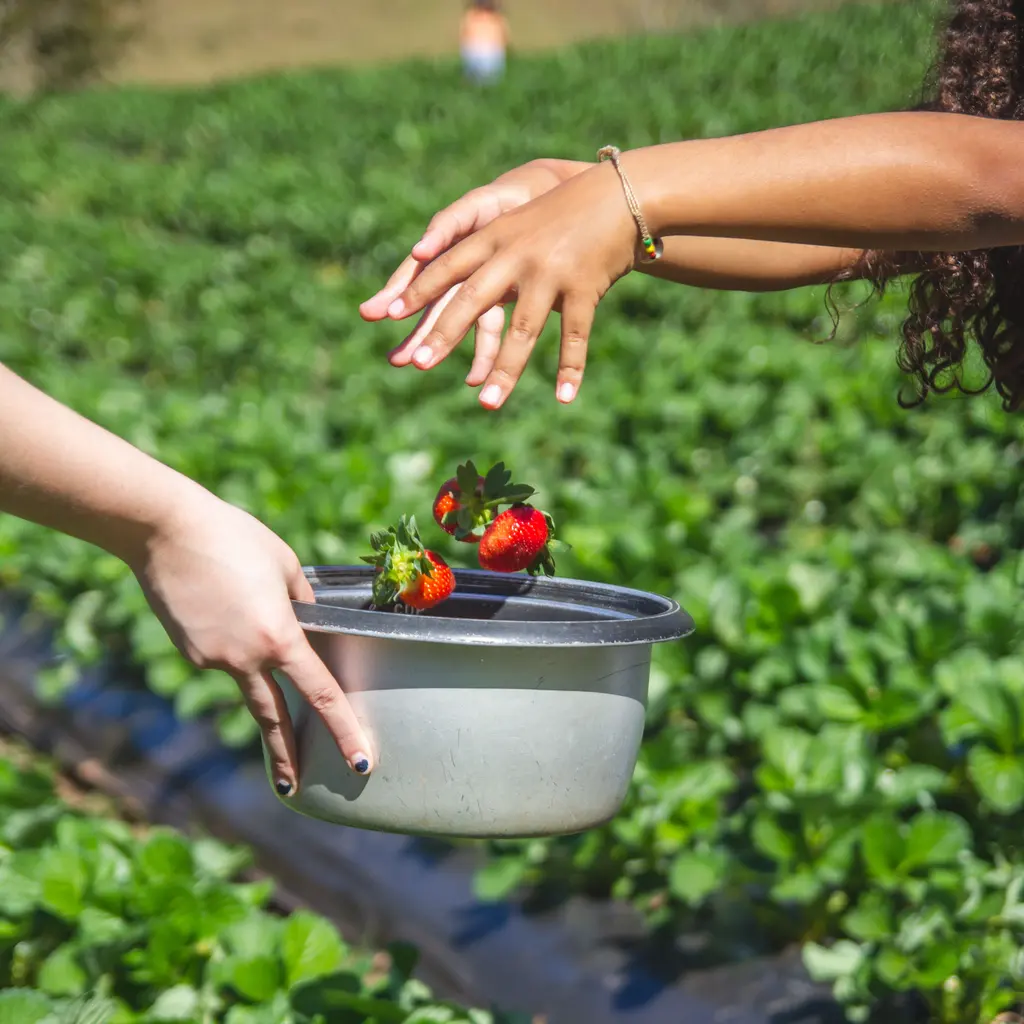
Hands collecting ripe strawberries in a bowl above cultivated strawberry rows.

Industry overview

You grow and harvest berries, perhaps selling to wholesalers, cooling picked fruit, or welcoming customers to pick their own. A refrigeration failure can spoil harvested stock, while visitor access and seasonal picking bring different injury risks.

The Southern Agency can review how you harvest, store, and sell your berries to help you choose insurance. We can discuss visitor liability and refrigeration-related protection, keeping growing crops, harvested fruit, and cooling machinery as distinct interests.

Risks worth discussing

Cooling loss and picked-fruit deterioration

Cooling interruptions can affect picked berries awaiting sale. Review prior fruit condition, the cause of interruption and applicable spoilage terms; a machine failure alone does not establish a covered stock loss.

U-pick customer injuries

Visitors of all ages walking rows, bending at plants, and parking on the farm can fall or be injured, creating premises liability.

Seasonal labor strain injuries

Large picking crews bending, lifting, and working long days during peak season face strains and repetitive-motion injuries.

Hail, frost, and rain crop loss

Delicate berries are easily bruised or split by hail, late frost, or heavy rain, reducing marketable yield in a short window.

Damage to tunnels and hoop houses

High tunnels and protective coverings used to extend the season can be torn or collapsed by wind, snow, or storms.

Foodborne illness from fresh berries

Fruit sold at stands, markets, and U-pick reaches consumers directly, creating contamination and illness exposure.

Coverage worth discussing

Policies to ask about. Which ones fit depends on your operations, your contracts, and the carrier’s forms.

Situations to think through

These hypothetical examples are not agency claim results. Whether a loss is covered depends on the facts, policy terms, and applicable exclusions.

  1. Hypothetical: A cooler fails after picking

    Hypothetical: a compressor fails overnight and packed berries deteriorate before collection. Equipment breakdown may address a covered compressor failure, but the fruit needs applicable spoilage coverage and sufficient limits. A machine repair payment does not establish payment for missed orders.

  2. Hypothetical: A U-pick visitor falls

    Hypothetical: a child falls in a picking row and the family alleges an unsafe visitor route. General liability may address a covered claim if U-pick is an insured activity. The alleged legal liability and activity exclusions still matter; an injury alone does not establish payment.

  3. Hypothetical: A buyer alleges illness from berries

    Hypothetical: customers allege illness from fruit traced to a packed lot. Product liability may address covered injury allegations if the farm's sales and handling are within scope. Testing or withdrawing the remaining lot requires separate recall or contamination terms, not an assumption that all product costs are included.

Before you talk to an agent

What to have ready

Tick items as you gather them. Nothing here is saved or sent.

Questions to raise

  • Compare berries on plants, in picked inventory, in a cooler, and on a delivery vehicle. Confirm who owns them and which form addresses each stage.
  • Review cooler repair and picked-fruit spoilage separately, including external utility loss and any mobile refrigeration. Set limits using the largest plausible accumulation at one location.
  • For tunnels, distinguish frames, coverings, irrigation equipment, and the crop inside. Check insured perils and deductibles instead of treating a structure limit as crop protection.
  • If the farm opens for U-pick, describe the rows and routes customers can use and any separate events. A wholesale-only operation should not be written as a public attraction.
  • Review business income against its covered-loss trigger, waiting period, and restoration terms. Poor yield, falling prices, or unsold fruit are not automatically insured sales losses.

Contract terms to check

  • Review grower-packer, cooler-storage, and transport agreements for ownership and responsibility for temperature damage or rejected loads. A buyer's quality standard is not itself an insured cause of loss.
  • Compare farmers-market, retailer, and U-pick event agreements with the requested liability limits and endorsements. Requirements arise from each agreement; a certificate does not add coverage for an excluded activity or promise reimbursement for every withdrawal.

What the agent conversation looks like

Start with the work you do and the questions your current policies leave unanswered. Carrier options depend on your location, risk, and underwriting. Explore our approach.

  1. ListenReview your operations, current coverage, and past claims.
  2. AssessIdentify potential hazards and discuss ways to reduce risk.
  3. BuildDiscuss policy and carrier options, premium costs, and audits.
  4. SupportReview changes and help you plan ahead as your needs develop.

Questions owners ask

Are my picked berries covered if a cooler fails?

Check both machinery and fruit. Equipment breakdown may address a covered mechanical or electrical failure, while spoilage needs its own applicable terms and limit. External power loss and deterioration unrelated to an insured cause may be treated differently.

We host U-pick on weekends. Are visitors covered?

Review general liability for the declared U-pick activity and visitor areas. Disclose any events or additional attractions separately and check activity exclusions. A customer injury does not automatically establish the farm's legal liability or a covered claim.

Do I need product liability for berries I sell directly?

Direct sales create potential food-injury claims, as wholesale sales can too. Review the actual growing, handling, and packing operations and product terms. Recall, testing, disposal, or replacement of your own fruit is a separate coverage question.

Can I insure my high tunnels and hoop houses?

Ask about frames and coverings separately, with construction details and the location. Check wind, snow, and other perils, deductibles, and any material exclusions in the proposed wording. Insuring the tunnel does not establish coverage for growing berries inside it.

Is workers compensation required for picking crews?

Determine that under the applicable state's agricultural employment rules and the actual crew arrangement. Seasonal or part-time status alone is not an exemption. Review payroll and any labor contractor's responsibilities and evidence of coverage.

What factors affect berry farm insurance cost?

Premiums commonly reflect acreage, refrigeration value, U-pick activity, payroll, product sales, and loss history. Final pricing depends on underwriting and your specific operation.

Talk through your berry farm coverage

Bring your questions, current policies, and relevant contracts. An agent can review coverage terms, exclusions, and the information carriers ask for, then explain the options available to you.

How can we help you get started?

Choose the quote that fits, and we’ll take it from there.

Have a question? Contact us