

Injury during assigned farm work
Heat, repetitive tasks, lifting, machinery, and chemical exposure create injury concerns at grower sites; duties and actual employment arrangements matter.
Try a different word, or check the spelling.
Your crews work on growers' land, often under someone else's day-to-day direction. Clear insurance arrangements matter before the first shift, not just when a grower asks for a certificate.
The Southern Agency can help you review your labor supply operations and the insurance needed for your workforce and transport responsibilities.
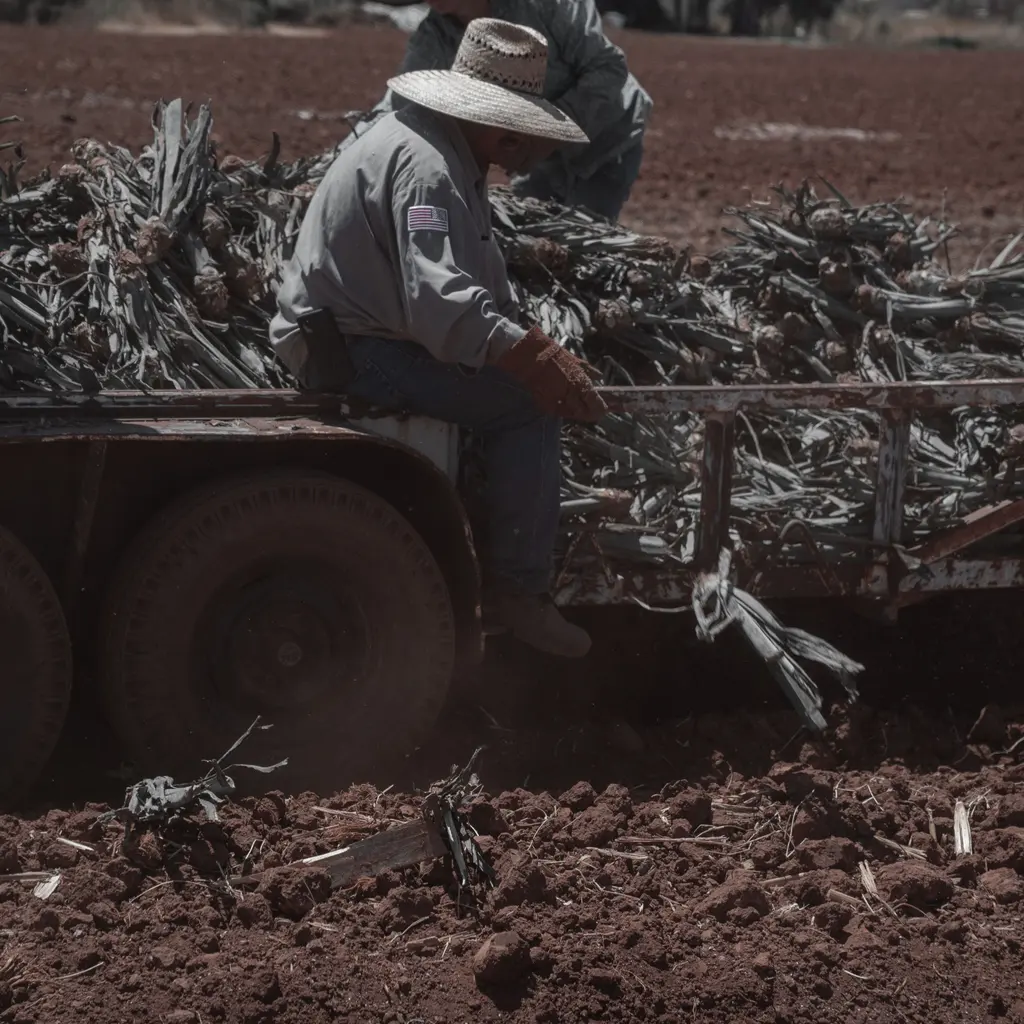
You manage the recruitment, placement and transport of crews for various growers. Your daily operations involve complex legal and insurance relationships where you may be responsible for workers during transit or at a job site, and miscommunications about who directs the work can create coverage gaps.
The Southern Agency can review your staffing agreements and transport duties to help select appropriate insurance. For example, we can help you understand how your workers' compensation coverage relates to the specific agricultural duties your crews perform and the states in which they work.
Heat, repetitive tasks, lifting, machinery, and chemical exposure create injury concerns at grower sites; duties and actual employment arrangements matter.
Workers may dispute pay, hours, deductions, harassment, discrimination, or retaliation. These allegations should not be treated as one insurance coverage category.
A van or bus collision can injure several workers at once, with questions about vehicles, drivers, employment, and the applicable policies.
Placement contracts can allocate supervision, safety, insurance, and indemnity, but their wording does not alone determine statutory duties or insured liability.
Recruitment, placement, employment records, and any applicable labor-program obligations can lead to client, worker, or regulatory disputes.
Owned or controlled housing and assembly areas add premises, property, and operational responsibilities beyond supplying field labor.
Policies to ask about. Which ones fit depends on your operations, your contracts, and the carrier’s forms.
These hypothetical examples are not agency claim results. Whether a loss is covered depends on the facts, policy terms, and applicable exclusions.
A placed worker becomes ill during harvest. Workers-compensation benefits depend on applicable law and the insured employment and work. The grower's supervision or a supplier's payroll label alone does not establish which parties have obligations or eliminate a claim against either.
Workers allege unpaid hours and harassment by a supervisor. EPLI may address covered harassment allegations while excluding wage-hour loss. Any applicable defense-cost extension, retention, or sublimit does not establish payment of unpaid wages or the whole settlement.
A supplier-operated van crashes with workers aboard. Auto liability and workforce injury policies need review for the vehicles, drivers, employment, and claims involved. Excess coverage applies only on its own terms and does not automatically fill an employee-injury or passenger-use exclusion.
Start with the work you do and the questions your current policies leave unanswered. Carrier options depend on your location, risk, and underwriting. Explore our approach.
No. Review the actual relationships, states, duties, applicable law, and policies. Grower and contractor obligations can require analysis beyond the payroll label; a private agreement should not be treated as the final legal answer.
Do not assume so. A form can cover harassment or discrimination while excluding wage-hour allegations or unpaid wages. If a defense-only extension applies, examine its limit and conditions separately from settlements and wages owed.
Identify who supplies and operates each vehicle, drivers, routes, passenger use, and any hired provider. Review auto, workforce injury, and excess terms together without assuming one policy pays every occupant claim.
No. The agreement may set private insurance conditions, but policy wording and endorsements control insurance. Indemnity can extend beyond insured liability, and a certificate does not change that.
Identify the premises and who owns or controls them, then review property, liability, and applicable legal obligations. Housing is not automatically included in an office or placement description, nor does every duty simply follow payroll.
No. Review the services and covered errors, contractual-liability terms, employment and injury exclusions, and claims conditions. A placement or compliance promise does not guarantee reimbursement for wages, fines, penalties, or any client loss.
Bring your questions, current policies, and relevant contracts. An agent can review coverage terms, exclusions, and the information carriers ask for, then explain the options available to you.