

Remote field and transport injuries
Running trap lines by ATV, truck, or boat across rough terrain exposes harvesters to overturns, collisions, and weather injuries far from help.
Try a different word, or check the spelling.
The value of your season can accumulate in pelts waiting for a buyer. Storage protection deserves the same attention as the vehicles and gear that get you along the trap line.
The Southern Agency can help review your field work and peak pelt values, with vehicle use and helper or owner injuries considered separately.
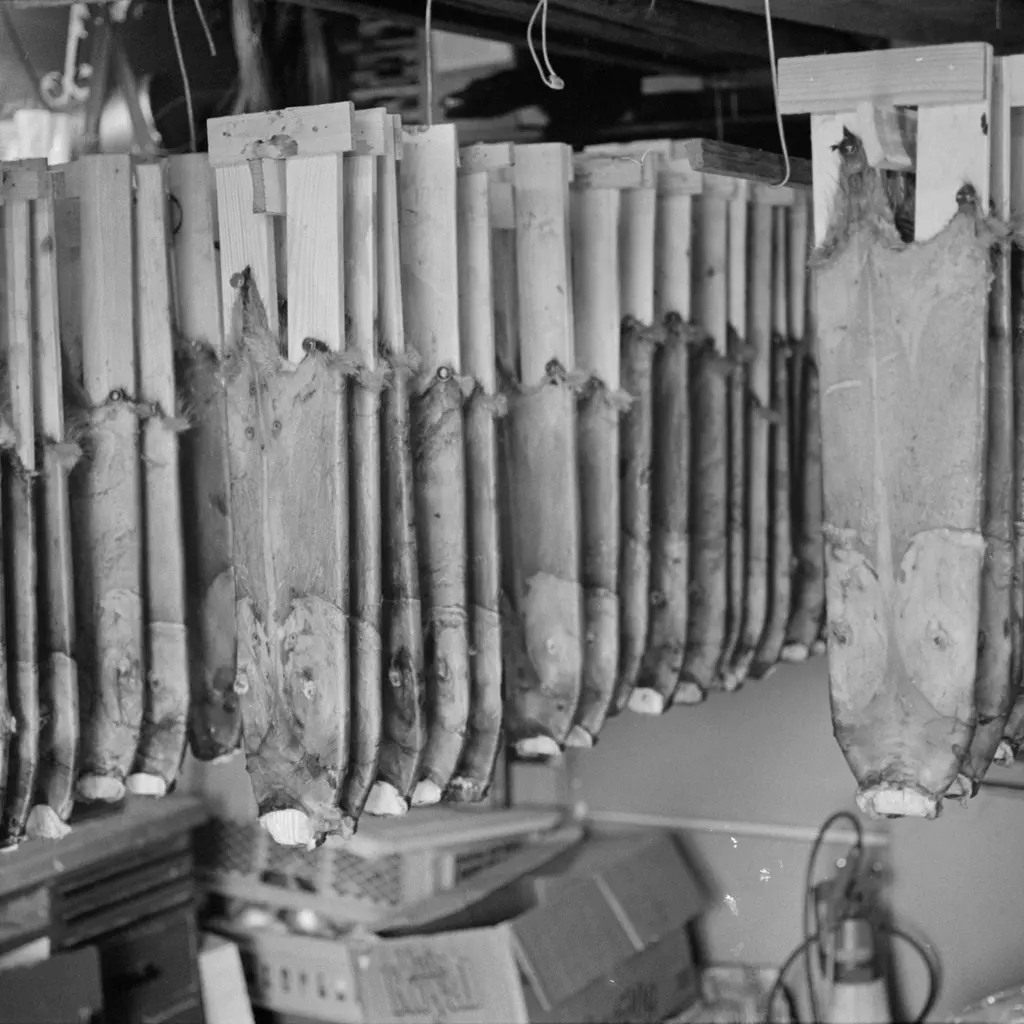
You work trap lines, move your catch from remote ground and prepare pelts for sale. A vehicle loss can interrupt field work, while a shed fire or failure of any refrigeration you use affects stored stock—not necessarily the same insured interest.
The Southern Agency can review your harvesting methods and help you select insurance for transport, tools and stored pelts. We can discuss how an ATV or boat needs to be considered separately from your pelt inventory.
Running trap lines by ATV, truck, or boat across rough terrain exposes harvesters to overturns, collisions, and weather injuries far from help.
Setting traps and handling caught animals creates cut, bite, and zoonotic-disease exposure for harvesters and any helpers.
Cured pelts held for sale represent concentrated value that can be lost to fire, moisture, pests, or theft before reaching buyers.
ATVs, boats, and trucks used to reach and work trap lines are exposed to damage, breakdown, and theft in remote field conditions.
Skinning, fleshing, drying, and any washing or chemical treatment create handling and disposal questions that depend on the process actually used.
Buyers or processors can dispute species, origin, grade, condition, or sale terms. Such a dispute does not necessarily involve injury, property damage, or another insured loss.
Policies to ask about. Which ones fit depends on your operations, your contracts, and the carrier’s forms.
These hypothetical examples are not agency claim results. Whether a loss is covered depends on the facts, policy terms, and applicable exclusions.
Hypothetical: an ATV overturns while the operator checks a trap line. Applicable vehicle or equipment damage terms must include that ATV, use, and cause. Repair payment does not establish injury benefits for the operator, third-party liability, or cover for pelts being carried.
Hypothetical: fire destroys a shed and cured pelts awaiting shipment. Property coverage may address the insured building and stock, but the pelt description, ownership, values, locations, and limits matter separately. The anticipated auction price is not automatically the policy's valuation.
Hypothetical: a helper is injured by a trap in the field. Workers compensation may provide benefits under the applicable employment and policy arrangement. Calling the helper seasonal or relying on general liability does not establish employee-injury cover; the owner's injury is a separate question.
Start with the work you do and the questions your current policies leave unanswered. Carrier options depend on your location, risk, and underwriting. Explore our approach.
Do not assume so. Confirm each vehicle or vessel, business use, locations, operators, damage causes, and liability separately from traps and portable tools. Road-auto insurance or a gear schedule does not establish all those interests.
Check the stock description, ownership, stage, location, valuation, limits, and perils. Expected price, loss of market, moisture, pests, or spoilage are not automatically covered by a shed policy.
Not automatically. Product liability concerns covered injury or property damage; rejected lots, refunds, sale descriptions, quality promises, and pricing disputes can be different claims.
Describe that process accurately, along with any refrigeration, waste, or preparation for others. Do not assume a tanning or chemical-treatment operation. Review the exposures actually present and any stock or equipment terms.
The operator's injury, helper benefits, vehicle damage, and third-party liability are different questions. Confirm owner and worker arrangements and the actual vehicle or vessel terms rather than treating an equipment payment as injury protection.
No. Check current species and jurisdiction requirements and disclose the actual domestic/export activities. Permissions, origin or tag records, buyer promises, and coverage are separate; penalties or confiscation are not automatic insured losses.
Bring your questions, current policies, and relevant contracts. An agent can review coverage terms, exclusions, and the information carriers ask for, then explain the options available to you.