Skip to content

Rice Farm Insurance

You manage water to suit the rice, the field, and the growing stage. Insurance for pumps and water-control structures needs to reflect those choices without assuming it also protects the crop.

The Southern Agency can help you evaluate your irrigation infrastructure and crop-handling insurance needs.

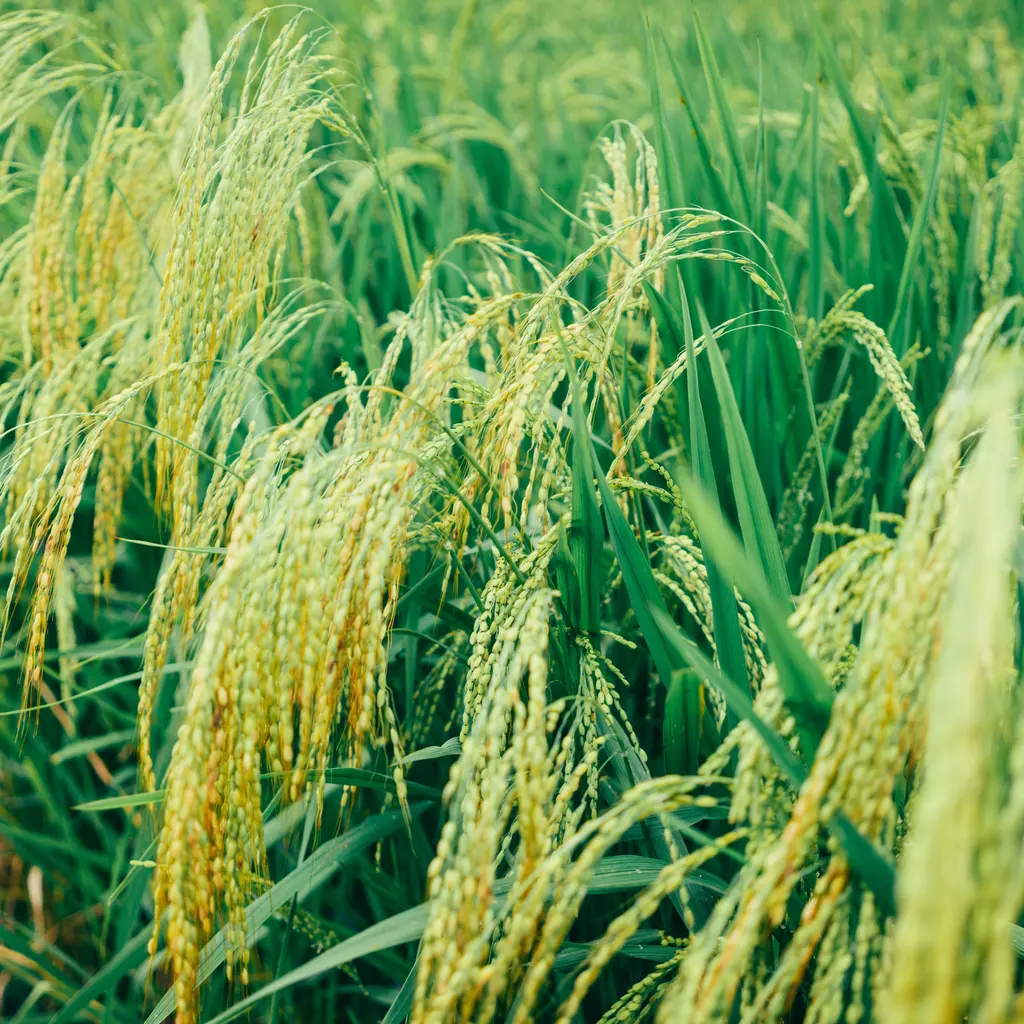
Rice panicles bearing grain among green leaves in a field.

Industry overview

You manage water for rice fields and move the harvest through drying, storage or delivery to a mill. A pump outage can interrupt irrigation, while a dryer failure affects harvested grain; repairing either machine does not settle what happened to the crop.

The Southern Agency can review your water-management practices and processing infrastructure to help you select appropriate insurance. For example, we can assist in distinguishing between coverage for pump motor repairs and the separate terms needed for grain-quality losses.

Risks worth discussing

Irrigation pump and well failure

A pump, well or power problem can interrupt the farm's irrigation practice. Crop effects depend on the source of water, field conditions, growth stage, and interruption, rather than every rice field requiring continuous flooding.

Levee breach and flooding

Levees, gates, and canals can fail or be overtopped by excess rain, damaging fields, water-control structures, and access roads.

Drying system breakdown

A dryer or fan failure can affect harvested rice awaiting drying. Its condition and handling history matter: deterioration and reduced milling quality are not necessarily caused by the same event.

Equipment bogging and damage

Combines and grain carts working in soft, wet field conditions face bogging, overturns, and costly mechanical damage.

Fuel and chemical exposure

Diesel for pumps, fertilizer, and herbicide storage and application create potential pollution and contamination concerns.

Truck transport accidents

Trucks hauling rice to driers and mills on public roads create commercial auto liability and physical damage exposure.

Worker injuries around pumps and augers

Labor working around pumps, augers, combines, and grain handling faces entanglement, fall, and equipment-related injury risk.

Coverage worth discussing

Policies to ask about. Which ones fit depends on your operations, your contracts, and the carrier’s forms.

Situations to think through

These hypothetical examples are not agency claim results. Whether a loss is covered depends on the facts, policy terms, and applicable exclusions.

  1. Hypothetical: Irrigation pump motor failure

    Hypothetical: a pump motor fails while fields need irrigation. Equipment breakdown terms may cover an eligible motor and cause, subject to wear exclusions and other conditions. The cost of restoring water, damage to the well and reduced field yield are not established by the motor's repair coverage.

  2. Hypothetical: Dryer fan fails with rice awaiting drying

    Hypothetical: a fan fails and harvested rice deteriorates before delivery. Applicable breakdown and spoilage terms may address the insured machine and resulting stock loss. The rice's owner, prior condition, covered cause, and stock limit matter; a mill's quality deduction or the cost of fulfilling a supply contract is a separate question.

  3. Hypothetical: Combine damaged during wet-field recovery

    Hypothetical: a combine becomes stuck and is damaged while being recovered. Applicable equipment terms must include the machine, location, and cause of that damage. Getting stuck alone does not establish insured physical damage, and extraction charges, internal wear, and harvest delay need separate review.

Before you talk to an agent

What to have ready

Tick items as you gather them. Nothing here is saved or sent.

Questions to raise

  • Explain the irrigation practice and the source of water for each group of fields. Identify the owner of pumps, wells, controls, and water structures, along with maintenance and power dependencies. Review field-crop protection separately; the existence of pump insurance does not prove a crop loss will qualify.
  • Trace rice from harvest to an on-farm dryer or outside provider, then through storage and mill acceptance. Record ownership, peak quantities, and values at each location. Grain condition, drying history and milling-quality records can help distinguish physical deterioration from a buyer's grade or price adjustment.
  • Compare replacement values for fixed systems with those for combines and carts. Ask about internal breakdown, wet-field recovery, temporary equipment, and the expense of moving rice elsewhere. Repairing one machine may not restore an entire harvest or delivery commitment.
  • Review who handles fuel and treatments, employs seasonal crews, and provides hauling or drying services. Include additional work for other growers in the insurance description, and compare their grain and land interests with your own.

Contract terms to check

  • Read mill and buyer agreements for ownership, moisture or grade acceptance, delivery timing, rejection, and replacement. A grade deduction or unfilled order is not automatically a covered grain or liability loss; compare those promises with the policy being proposed.
  • Clarify responsibilities with irrigation providers, shared water users, outside dryers, stores, and haulers. Establish who maintains equipment, holds the rice and bears loss during each handoff. A provider's certificate does not by itself amend your policy or prove coverage for your grain.
  • Compare land and water-system leases, equipment finance, and rental terms with the interests and values being insured. Separate private insurance requests from applicable worker, road, water-use, and chemical requirements, which need their own qualified review.

What the agent conversation looks like

Start with the work you do and the questions your current policies leave unanswered. Carrier options depend on your location, risk, and underwriting. Explore our approach.

  1. ListenReview your operations, current coverage, and past claims.
  2. AssessIdentify potential hazards and discuss ways to reduce risk.
  3. BuildDiscuss policy and carrier options, premium costs, and audits.
  4. SupportReview changes and help you plan ahead as your needs develop.

Questions owners ask

Does pump insurance include rice yield lost after an outage?

Not automatically. A policy that pays to repair a pump does not necessarily cover reduced rice yield. Ask the crop insurer which irrigation practices, causes, and periods are insured, including how it treats loss after a water shortage or pump outage.

Does a pump motor limit include the well and water supply?

Check which equipment and parts are described and how mechanical failure, wear, outside power, and water availability are treated. The motor, well structure and cost of restoring irrigation may not have the same terms.

Does dryer breakdown cover a mill's quality deduction?

Establish the cause and condition of the grain before comparing machinery and stock-spoilage terms. Reduced milling quality, ordinary deterioration, buyer price adjustments and a supply promise are not interchangeable with covered resulting damage.

Are canals, gates, and levees included with my pump house?

Have each structure and ownership interest reviewed explicitly. Compare the listed property and covered causes with flooding, erosion, breach, structural condition, and repair duties; a building limit alone does not answer those questions.

What if I deliver green rice instead of drying it myself?

Explain the route, owner and custody of the freshly harvested rice and the receiving provider's responsibilities. Your truck, the load, outside drying or storage and buyer acceptance still require comparison, even when you do not own a dryer.

Does getting stuck count as insured combine damage?

Being stuck and sustaining physical damage are different problems. Ask how the policy treats extraction charges and damage during recovery, as well as temporary equipment hire and delayed harvest. Coverage for fire or an accident does not answer every wet-field recovery question.

Talk through your rice farm coverage

Bring your questions, current policies, and relevant contracts. An agent can review coverage terms, exclusions, and the information carriers ask for, then explain the options available to you.

How can we help you get started?

Choose the quote that fits, and we’ll take it from there.

Have a question? Contact us