

Heavy harvester breakdown
A defoliator, lifter or harvester failure can interrupt the agreed harvest and delivery plan. Repairs, replacement hire, growing-crop loss, and contract charges are different interests.
Try a different word, or check the spelling.
You may still carry the value of harvested beets while they wait at a receiving site. That waiting period deserves its own insurance discussion, separate from the trucks that brought them.
The Southern Agency can help you review your machinery, storage, and delivery operations to support your insurance selections.
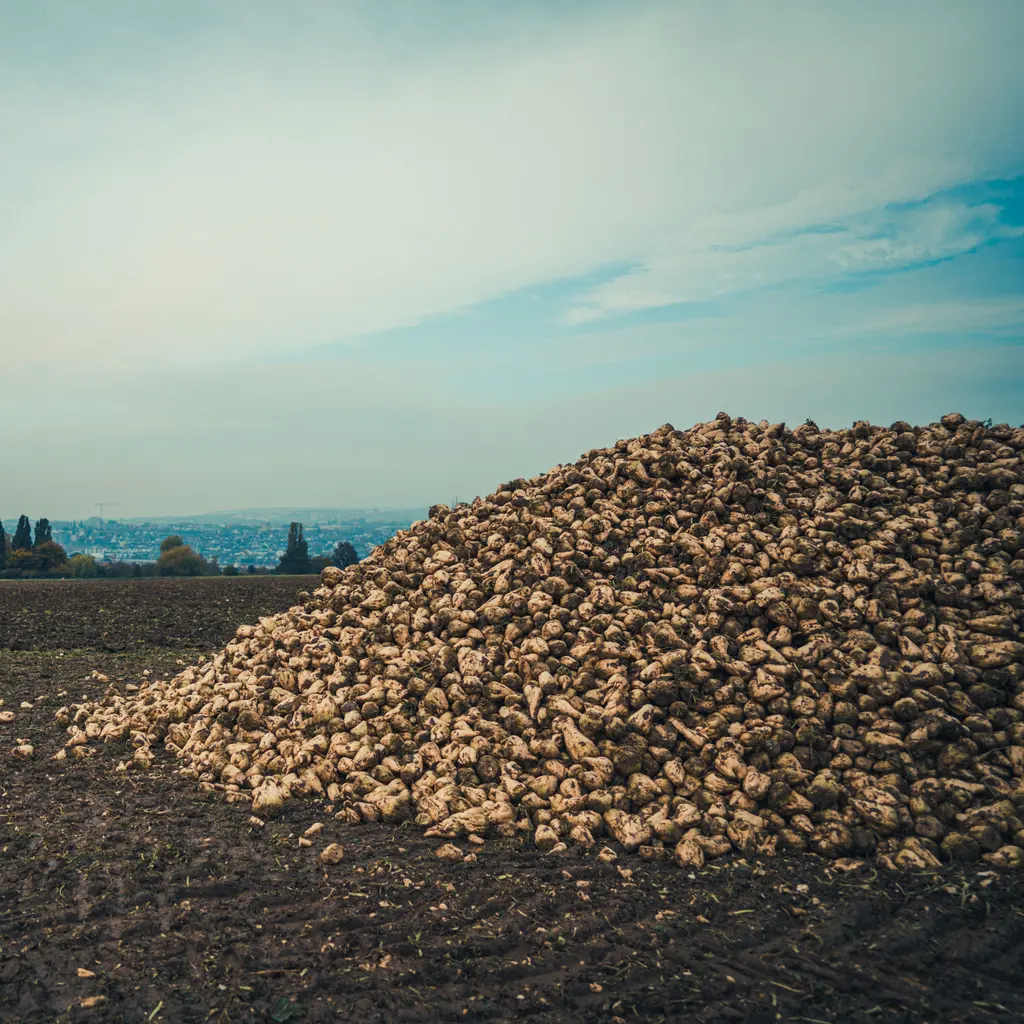
Your sugar beet farm operates on a compressed harvest schedule that relies on heavy machinery and synchronized hauling to receiving stations. A breakdown in your harvester or an issue with your stored piles can disrupt your ability to meet delivery commitments during the campaign.
The Southern Agency can review your harvest fleet, storage practices, and hauling arrangements to help you select appropriate insurance. For instance, we can discuss your equipment insurance for your lifters and harvesters while separately reviewing your liability for third-party haulers or receiving personnel.
A defoliator, lifter or harvester failure can interrupt the agreed harvest and delivery plan. Repairs, replacement hire, growing-crop loss, and contract charges are different interests.
Beet loads moving to piles, receiving stations, or factories create road and loading exposure. The truck, trailer, crop, and third-party claims need separate review.
Beets held at field or receiving sites can suffer condition or quantity losses before processing. Identify the event, prior condition, owner, and custody rather than assume every deteriorated pile is insured.
Wet ground can immobilize harvesters or trucks. Recovery expense, accidental damage, wear, and internal repairs are different questions.
Fertilizer, herbicide, and fuel storage and application create potential pollution and contamination concerns depending on operations.
Labor around harvesters, conveyors, and loading equipment faces entanglement, crush, and equipment-related injury risk.
Weather or disease can affect growing beets and saleable production. Yield, sugar content or other buyer-quality adjustments and damage to harvested stock need their own cause and valuation review.
Policies to ask about. Which ones fit depends on your operations, your contracts, and the carrier’s forms.
These hypothetical examples are not agency claim results. Whether a loss is covered depends on the facts, policy terms, and applicable exclusions.
Hypothetical: a lifter stops after an internal component fails. Applicable equipment or breakdown terms would need to include the machine and cause, subject to wear, maintenance, and other exclusions. Accident or fire cover alone does not establish the repair, replacement hire, missed receiving slot, or crop left in the ground.
Hypothetical: a loaded truck collides with another vehicle on the way to the factory. Applicable auto liability may address a covered third-party claim; the truck's damage needs selected physical-damage terms. Trailer, beet load, cleanup, and a buyer's rejection or delivery charge require separate review.
Hypothetical: a fire damages a shop and machinery stored inside. Applicable property and equipment terms may address included interests and covered damage, subject to location, valuation, limits, and other conditions. Temporary hire and income need their own terms; a building payment does not insure the remaining field crop or every delivery commitment.
Start with the work you do and the questions your current policies leave unanswered. Carrier options depend on your location, risk, and underwriting. Explore our approach.
No. Growing-crop yield, cause, location, practice, and period need separate review. A lifter, truck or shop schedule does not establish crop-program eligibility or payment for beets left in the ground after a delay.
Not automatically. Identify the machine, failed part, cause and maintenance history and compare them with the actual equipment and breakdown terms. Recovery, repair, replacement hire, and a missed receiving slot may have different treatment.
Review ownership, custody, the receiving agreement, and the location and goods included in the policy. Acceptance or cooperative membership alone does not settle that question. Prior condition, covered cause, and valuation matter as well as the amount delivered.
No. Quantity, quality, sugar-content or delivery adjustments need review under the agreement and actual cause. A lower payment is not itself proof of insured property damage, a covered crop loss or liability for a buyer's charges.
The agreement may request limits, interests or endorsements, but compare those requests with the actual wording. A certificate does not amend the policy, and no assumption should be made that every delivery, quality or indemnity promise is insured.
No. Define who owns the equipment and beets, who operates or loads them, and who employs the workers. Compare the service agreement and policies with those facts; provider status alone does not insure the farm's property, settle worker duties or guarantee reimbursement.
Bring your questions, current policies, and relevant contracts. An agent can review coverage terms, exclusions, and the information carriers ask for, then explain the options available to you.