Skip to content

Sugarcane Farm Insurance

Where burning is part of your cane harvest, smoke and ash can affect people beyond the field. That work needs to be part of the liability conversation, whoever carries it out.

The Southern Agency can help you review coverage from standing cane through mill delivery.

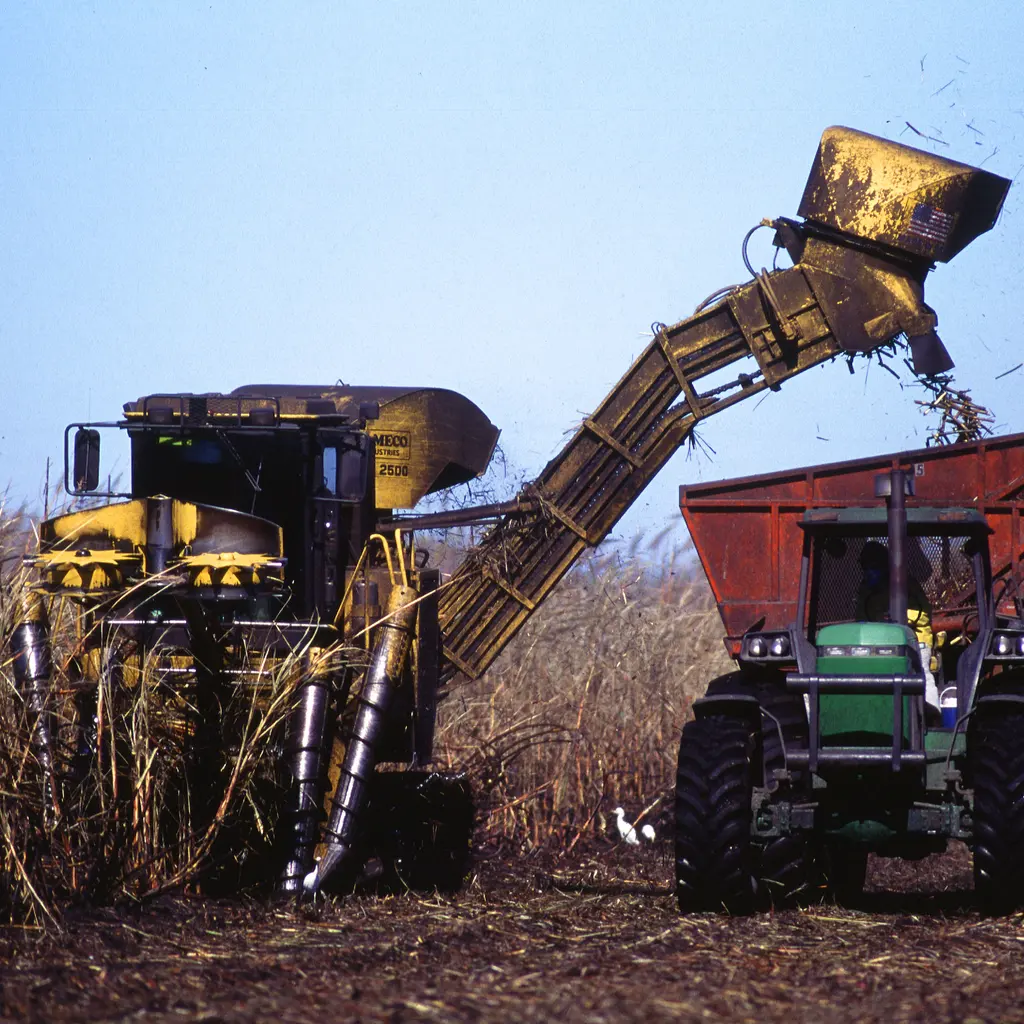
A sugarcane harvester transferring cut cane into a wagon alongside the crop.

Industry overview

Your sugarcane harvest relies on specific field conditions, machinery like haul tractors, and mill-delivery schedules. If a pump fails, a fire escapes during burning, or a worker is injured during a busy shift, your season can face sudden, costly setbacks.

The Southern Agency can review your actual operations—such as who performs burns or handles chemical storage—and help select coverage for your specific equipment and staff. For example, we can compare policy terms for your tractors and field pumps against your actual mill-delivery obligations.

Risks worth discussing

Field-burning, smoke, and ash claims

Where burning is performed, escaped fire, smoke or ash can affect neighbors, roads, and other nearby areas. The activity, responsible parties and alleged injury or damage need review rather than assume every burn-related claim is insured.

Harvester and haul-out equipment loss

Cutters, billet wagons, and haul tractors face collision, overturn, fire, and internal-failure questions. Accidental damage, wear, repair, and replacement arrangements are not the same interests.

Harvest and mill-delivery delays

Machine failures or weather can interrupt cutting, hauling, and mill delivery. Growing-crop damage, cut-cane condition, buyer adjustments, and missed delivery commitments need separate cause and valuation review.

Fuel and chemical pollution exposure

Diesel, herbicides, and ripeners, where used, create storage, handling, and application questions. Describe nearby water, drainage and outside contractors rather than assume all cane fields are flooded or use the same materials.

Farm worker injuries

Harvesting, loading, driving, and repair expose workers to equipment, lifting, and fall injuries. Include any night work, ditches, canal banks, or wet ground actually involved.

Field and storage property damage

Wind, water or fire events can affect growing cane, shops, pumps, inputs, and stored equipment differently. Location, property definition, and cause matter alongside value.

Coverage worth discussing

Policies to ask about. Which ones fit depends on your operations, your contracts, and the carrier’s forms.

Situations to think through

These hypothetical examples are not agency claim results. Whether a loss is covered depends on the facts, policy terms, and applicable exclusions.

  1. Hypothetical: Field burn affects a neighbor

    A burn escapes and damages neighboring fencing or equipment. Applicable liability terms would need to include the activity and alleged damage, subject to intended-burning, smoke, pollution, and other conditions. Permission to burn does not establish a covered claim or payment for the grower's own cane.

  2. Hypothetical: Harvester fire during the campaign

    A harvester catches fire in a field. Applicable equipment terms may address an included machine and covered fire damage, subject to ownership, valuation, limits, and other conditions. Temporary hire, cut-cane loss and a missed mill slot require separate review rather than following automatically from the repair.

  3. Hypothetical: Pump failure and alleged crop loss

    A pump fails and the grower reports crop and delivery losses. Applicable breakdown terms may address an eligible pump and cause, subject to wear and other conditions. Establish the pump's function and the claimed crop-loss cause separately; the failure alone does not prove standing-cane deterioration, yield loss, or payment for delayed milling.

Before you talk to an agent

What to have ready

Tick items as you gather them. Nothing here is saved or sent.

Questions to raise

  • If burning forms part of the work, identify the sites, timing and parties responsible for planning, supervision, and operation. Review fire, smoke, ash, neighbors, and roads with the insurer. Current permissions, professional qualifications, private agreements, and actual coverage are separate questions, not proof of one another.
  • Map standing cane, cutting, haul-out, road transport, and mill acceptance by owner and provider. Identify where the crop is held and who is responsible for condition, delivery, and rejection. A machine payment and a buyer's quality or schedule adjustment need not represent the same insured loss.
  • Compare machine values, fire or accident causes, internal failure and replacement arrangements for cutters, wagons, tractors and pumps. Explain what each pump does rather than infer a growing-crop loss from a stopped machine. Temporary hire, extra expense, and income need applicable triggers and limits.
  • Review wind, flood and other location-specific causes separately for buildings, machines, inputs, and the crop. Include fuel, chemicals, application work, and any water or drainage features actually present. Do not treat a property limit or environmental heading as blanket crop or cleanup protection.
  • Read the mill schedule and farm's own recovery dependencies alongside income terms. A short delivery window, poor crop, weather interruption or missed mill delivery does not itself establish a covered trigger or the entire season's loss. Describe employers, crews, and work for other growers as well as acreage.

Contract terms to check

  • Compare mill and carrier agreements for ownership, acceptance, quality, delivery, rejection, and loss responsibility. A buyer's deadline or deduction is not itself an insured cause or a promise of income payment. Clarify who holds the cane when damage or a condition problem is identified.
  • Define responsibilities with any burn, harvesting, application, or equipment provider for the work, supervision, employees, property, cleanup, and indemnity. Separate private insurance requests from applicable permissions and legal duties. Outsourcing the activity or seeing a certificate does not establish every farm interest or transfer every third-party claim.
  • Read land, equipment and finance agreements for the interests, limits and endorsements requested. A certificate does not amend the policy or prove every burn, crop, pollution, worker or mill condition is met. Have conflicting promises reviewed rather than assume one farm program satisfies them all.

What the agent conversation looks like

Start with the work you do and the questions your current policies leave unanswered. Carrier options depend on your location, risk, and underwriting. Explore our approach.

  1. ListenReview your operations, current coverage, and past claims.
  2. AssessIdentify potential hazards and discuss ways to reduce risk.
  3. BuildDiscuss policy and carrier options, premium costs, and audits.
  4. SupportReview changes and help you plan ahead as your needs develop.

Questions owners ask

Does permission to burn establish insurance for smoke or escaped fire?

No. Describe the activity, site and responsible parties and compare intended-burning, smoke, ash, and pollution terms with the actual policy. Current legal permission or training and a covered liability claim are separate matters.

Does a harvester fire claim include the rest of the grinding season?

Machine damage, substitute hire, cut cane and income need their own terms and limits. A covered repair does not establish every missed delivery or remaining-season loss. Compare the recovery arrangements and mill commitments with the policy's triggers and payment period.

Does a pump failure prove that my standing crop loss is covered?

No. Explain the pump's purpose, cause of failure and alleged effect on the crop. Equipment eligibility, growing-crop damage, cut-cane condition, and delivery loss require separate review; a stopped pump alone does not establish that chain.

Is every mill rejection or quality deduction insured?

No. Bring the agreement and the stated reason, condition, and delivery records. A lower payment or missed slot is not by itself proof of covered physical damage, crop loss or liability for the mill's charges.

Does a building or flood limit include growing cane?

Do not infer that from the limit's name. Have the crop, practice, location, cause and period reviewed separately from shops, pumps, and stored goods. No crop-program eligibility or yield payment follows merely from listing farm assets.

What if contractors harvest, haul or burn for the farm?

Describe their scope, operators, employers, property, and crop custody and compare the agreements and policies. Provider status or a certificate alone does not settle worker duties, insure all farm goods or transfer every neighbor or customer claim.

Talk through your sugarcane farm coverage

Bring your questions, current policies, and relevant contracts. An agent can review coverage terms, exclusions, and the information carriers ask for, then explain the options available to you.

How can we help you get started?

Choose the quote that fits, and we’ll take it from there.

Have a question? Contact us