

Pollution release during abatement
Disturbing asbestos can release fibers, creating bodily-injury and property-damage claims that standard liability often excludes.
Try a different word, or check the spelling.
You plan containment around the material being removed, but responsibility also follows the waste off site. Asbestos-specific coverage needs to address the removal work and the transport and disposal you undertake.
The Southern Agency can help you evaluate your abatement operations against specific environmental and liability coverage requirements.
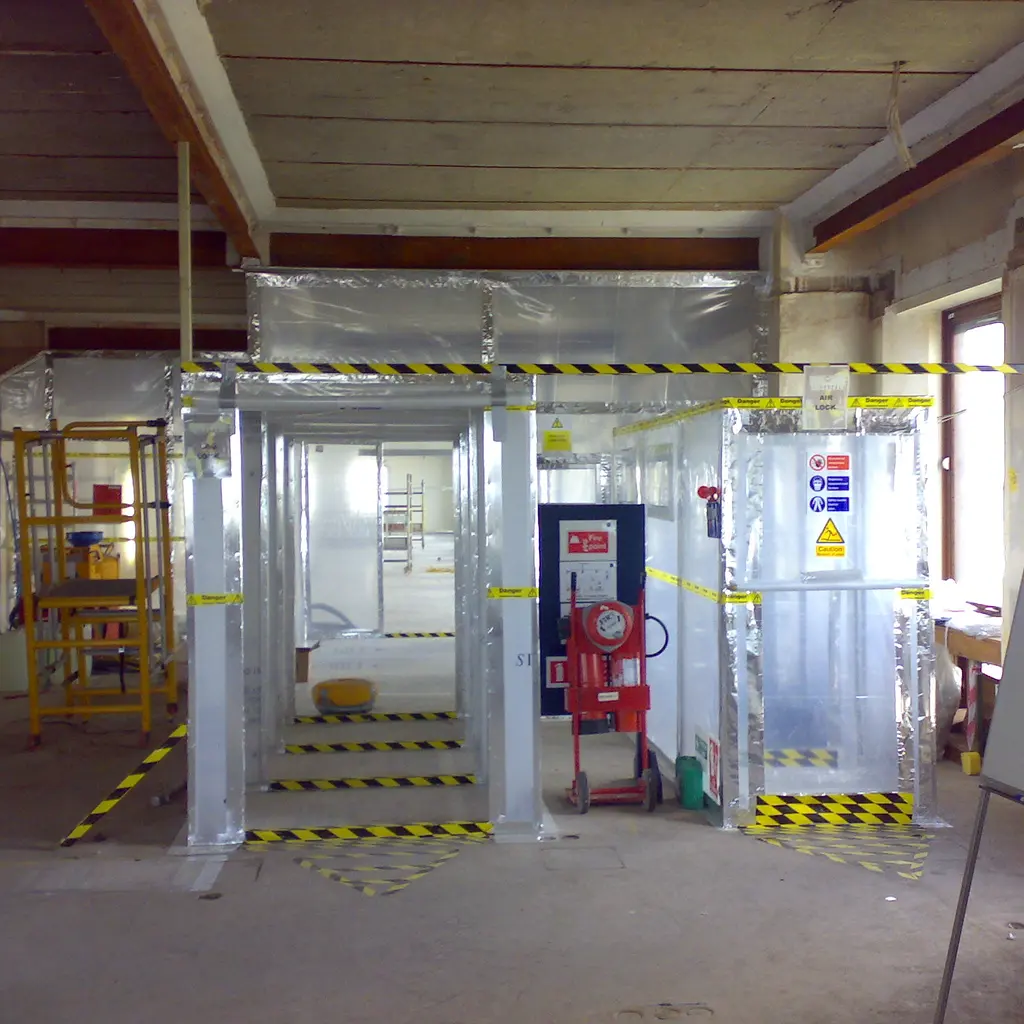
You perform hazardous material abatement, setting up containment, removing asbestos-containing materials, and managing waste. This work involves negative-air enclosures and decontamination units, exposing your crew to recognized health risks and the potential for a containment breach to contaminate occupied spaces.
The Southern Agency can review your abatement operations, site-specific protocols, and regulatory obligations to help select appropriate insurance. For example, we can examine how your policy addresses pollution liability for fibers released during removal or transport.
Disturbing asbestos can release fibers, creating bodily-injury and property-damage claims that standard liability often excludes.
A breach in negative-air enclosures can contaminate occupied or adjacent areas and trigger costly cleanup and claims.
Despite respirators and controls, abatement crews face direct exposure that can lead to occupational health claims.
Hauling and disposing of bagged asbestos waste carries regulatory, spill, and transit liability along the route.
Strict federal and state abatement rules mean violations can bring penalties, stop-work orders, and third-party claims.
Asbestos-related illness can surface years later, creating claims long after a project is finished.
Negative-air machines, HEPA units, and decon trailers move between sites and face theft and damage.
Policies to ask about. Which ones fit depends on your operations, your contracts, and the carrier’s forms.
These hypothetical examples are not agency claim results. Whether a loss is covered depends on the facts, policy terms, and applicable exclusions.
A negative-air enclosure fails during removal and fibers reach an adjacent occupied wing. The owner alleges contamination and demands cleanup, and an environmental liability policy may respond, subject to policy terms and the facts.
Bagged asbestos waste is damaged during hauling and material escapes along the route. Cleanup and third-party claims follow, and coverage depends on the specific policy, endorsements, and exclusions.
A claim alleges exposure during a prior abatement project led to illness. Long-tail bodily-injury claims like this turn on the policy in force and its terms, and a policy may respond depending on the specific policy and exclusions.
Start with the work you do and the questions your current policies leave unanswered. Carrier options depend on your location, risk, and underwriting. Explore our approach.
Standard general liability often excludes pollution, which is the core exposure in asbestos work. Environmental liability may respond to claims from fiber release, subject to policy terms and underwriting.
Usually not on its own, because pollution exclusions can remove the central risk. A dedicated environmental policy is commonly needed alongside general liability, depending on the specific policy and exclusions.
Asbestos-related illness can surface years later, so the policy structure and the coverage in force matter. A policy may respond depending on its terms, exclusions, and whether it is claims-made or occurrence-based.
Hauling and disposing of asbestos waste carries spill and regulatory risk. Coverage may respond to certain transport and disposal incidents, subject to policy terms, endorsements, and how operations are described.
Owners and general contractors often require environmental and liability limits before abatement begins. Requirements vary by project, so reviewing them early helps align coverage with each contract.
Pricing commonly reflects project scale, building types, disposal practices, payroll, certifications, equipment, and claims history. A tailored quote reflects how your specific operation works.
Bring your questions, current policies, and relevant contracts. An agent can review coverage terms, exclusions, and the information carriers ask for, then explain the options available to you.