

Pollution from soot, smoke, and chemicals
Handling soot, smoke residue, and firefighting chemicals creates pollution exposure that general liability frequently excludes.
Try a different word, or check the spelling.
The customer's original fire loss is not the same as damage to belongings while you clean or store them. Your coverage needs to account for what is entrusted to you during restoration.
The Southern Agency can help you evaluate your cleanup and restoration exposures to select appropriate insurance.
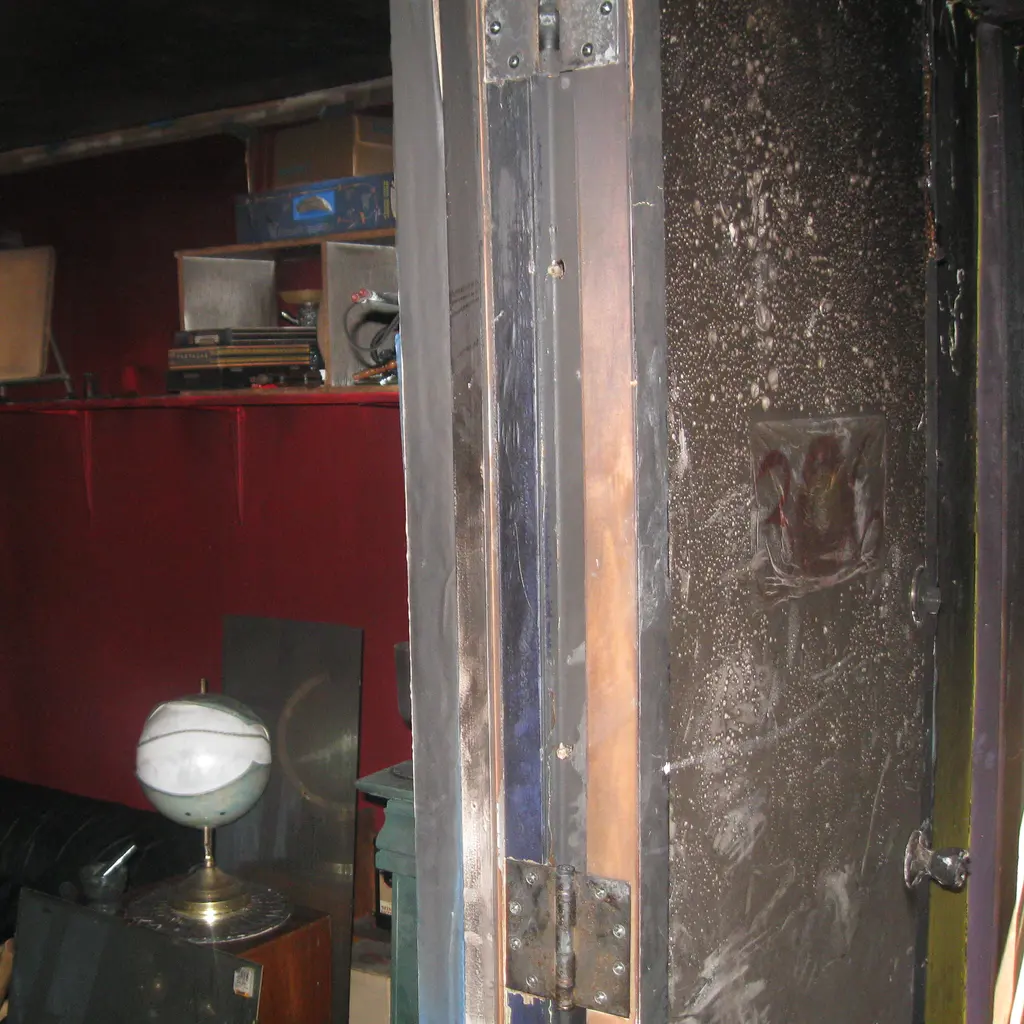
You work in damaged, contaminated environments to clean up smoke, soot, and water, often while maintaining custody of a customer's salvageable property. This work presents unique pollution and liability risks, as well as the need to handle sensitive contents safely.
The Southern Agency can review your cleanup methods and contents-handling responsibilities to help you choose insurance. We can discuss accepted mold or pollution terms separately from property protection for customer items in your care.
Handling soot, smoke residue, and firefighting chemicals creates pollution exposure that general liability frequently excludes.
Residual moisture and inadequate deodorization or remediation can lead to mold growth and later property and health claims.
Packing out, storing, and cleaning belongings puts the contractor in care, custody, and control if items are damaged or lost.
Crews face respiratory hazards, falls, and lifting injuries working in unstable, contaminated fire-damaged buildings.
The rebuild phase brings standard contractor exposure for faulty work, injury, and damage to the property being restored.
Air movers, dehumidifiers, and HEPA equipment are valuable, constantly deployed to sites, and exposed to damage and theft.
Customers and carriers may allege odor, residue, or moisture was not fully remediated, leading to rework and liability claims.
Policies to ask about. Which ones fit depends on your operations, your contracts, and the carrier’s forms.
These hypothetical examples are not agency claim results. Whether a loss is covered depends on the facts, policy terms, and applicable exclusions.
The homeowner reports persistent odor and demands another cleaning. Preserve the agreed scope, methods and acceptance records. A complaint or rework invoice alone does not establish a covered pollution loss; identify any insured release, resulting damage/injury and actual remediation obligation.
Packed-out furniture is damaged before return. Identify item ownership, initial condition, handling/storage stage, cause, and inventory values. Review actual customer-goods/bailee terms, valuation and exclusions separately from coverage on your warehouse or drying equipment.
Mold is alleged after firefighting water was dried. Preserve moisture/drying, containment and handoff records and review explicit mold/operation acceptance, reporting and actual harm. A pollution policy is not automatically a warranty that drying or deodorization eliminated every condition.
Start with the work you do and the questions your current policies leave unanswered. Carrier options depend on your location, risk, and underwriting. Explore our approach.
General liability often excludes pollution, so environmental liability may be needed for soot, smoke residue, and firefighting chemicals. Coverage depends on the specific policy and exclusions.
Property in your care, custody, and control during pack-out and storage may be covered by inland marine. Coverage may help if contents are damaged or lost, subject to policy terms and limits.
Yes. Mold from residual moisture is frequently excluded under standard liability, so environmental coverage may help respond to mold allegations, depending on policy terms and the facts.
If you self-perform reconstruction, general liability and workers' compensation respond to that work like other building trades, subject to policy terms and your specific operations.
Inland marine commonly covers drying and cleaning equipment deployed to sites and in transit. Coverage may help with theft or damage, subject to scheduled values and policy terms.
Insurers and program networks often require general liability, environmental, and workers' compensation at set limits to remain on preferred-vendor lists, depending on the program and underwriting.
Bring your questions, current policies, and relevant contracts. An agent can review coverage terms, exclusions, and the information carriers ask for, then explain the options available to you.