

Mold and microbial liability
Allegations that drying was incomplete or containment failed can lead to mold and indoor-air-quality claims long after a job is finished.
Try a different word, or check the spelling.
Your air movers and dehumidifiers may keep working at a customer's property after the crew leaves. Equipment protection for that deployment is a separate question from liability for the drying or containment work.
The Southern Agency can help you address the pollution and property risks of emergency mitigation work.
You provide emergency response for water, fire, or mold damage, often working in occupied buildings with slick floors and compromised electrical systems. Because you handle contaminated water and microbial growth, your exposure to health-related claims is significant.
The Southern Agency can review your emergency response work and referral contracts to help you compare insurance. We can discuss environmental terms for the mold or sewage work you accept, liability for additional damage and equipment protection for drying units left at customer sites.
Allegations that drying was incomplete or containment failed can lead to mold and indoor-air-quality claims long after a job is finished.
Handling sewage backups and Category 2 or 3 water introduces pollution and bodily-injury concerns that standard liability may not cover.
Working inside homes and businesses, crews can damage flooring, furnishings, or finishes while moving equipment and removing materials.
Slick surfaces, energized water, weakened structures, and heavy equipment expose technicians to slips, electrical, and lifting injuries.
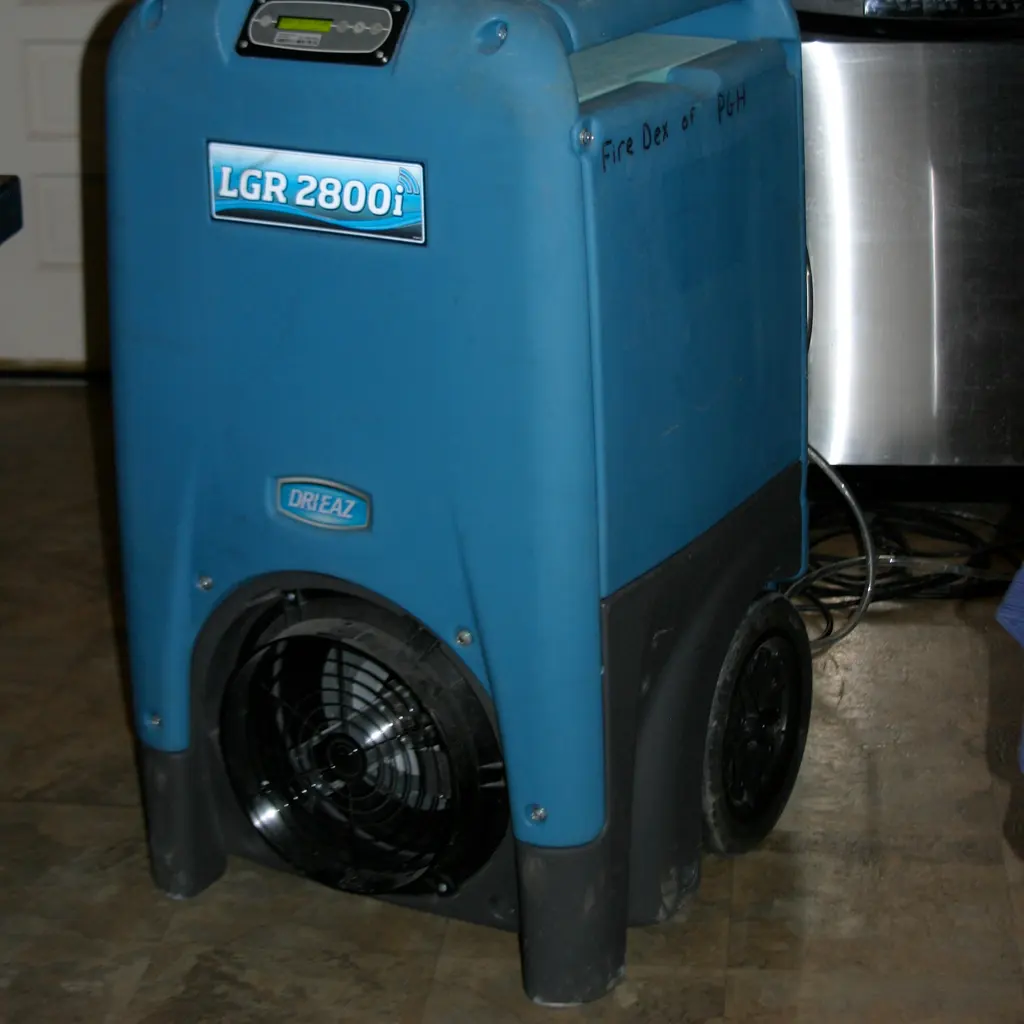
Air movers, dehumidifiers, and extractors left running on remote jobsites can be stolen, damaged, or fail during extended use.
Rushed board-up, tarping, or water removal during after-hours calls can leave gaps that allow secondary damage to develop.
Policies to ask about. Which ones fit depends on your operations, your contracts, and the carrier’s forms.
These hypothetical examples are not agency claim results. Whether a loss is covered depends on the facts, policy terms, and applicable exclusions.
Months after a water loss, a homeowner alleges that incomplete drying allowed mold to spread. An environmental policy may respond to defense and remediation costs, depending on policy terms, endorsements, and exclusions.
A technician slips while extracting contaminated water from a flooded basement and is injured. Workers' compensation may respond to medical costs and lost wages, subject to the specific policy and facts.
Dehumidifiers and air movers left running overnight at a vacant property are stolen. An inland marine policy may help replace the equipment, depending on policy terms and the facts of the loss.
Start with the work you do and the questions your current policies leave unanswered. Carrier options depend on your location, risk, and underwriting. Explore our approach.
General liability can exclude pollution, fungi or microbial claims. Check the water-loss tasks and mold work included under any environmental coverage, along with site and reporting conditions. Professional services such as moisture reports need their own review, and re-drying your work is not automatically an insured cost.
Category 2 and 3 water and sewage introduce pollution and bodily-injury exposures that may fall outside standard policies, so coverage should be reviewed against the actual work performed.
Check that owned and rented units are included at customer sites and in transit, with enough limit for the largest deployment. Describe overnight use and security. Theft, accidental damage and internal failure can have different terms; damage the customer alleges after a unit stops is a separate liability question.
Yes, subcontracting does not remove the possibility of a claim against your business. Review who contracted for the work, each firm's duties and insurance, and any ongoing or completed-work endorsements you need. A subcontractor's certificate alone does not establish your insured rights.
Check the operations accepted by the insurer, including storm response, board-up, tarping and the contamination categories you handle. Explain how crews gain access and what work is subcontracted. Describing emergency services in an application does not override a policy exclusion.
Use the partner's written insurance schedule rather than a standard limit from this page. Compare limits and additional-insured requirements for ongoing and completed work with issued endorsements. Referral acceptance or a certificate does not create missing coverage.
Bring your questions, current policies, and relevant contracts. An agent can review coverage terms, exclusions, and the information carriers ask for, then explain the options available to you.