

System fails to perform in a fire
An owner may allege that installation, inspection, or design errors allowed fire to spread. The contractor's actual responsibility matters; a failure allegation is not automatically a covered professional claim.
Try a different word, or check the spelling.
A pressure test can expose a leak above finished rooms; a later fire can raise questions about whether the system was designed or tested correctly. Your insurance review needs to distinguish water damage from those professional-service allegations.
The Southern Agency can help you align your fire suppression services with necessary professional and installation insurance.
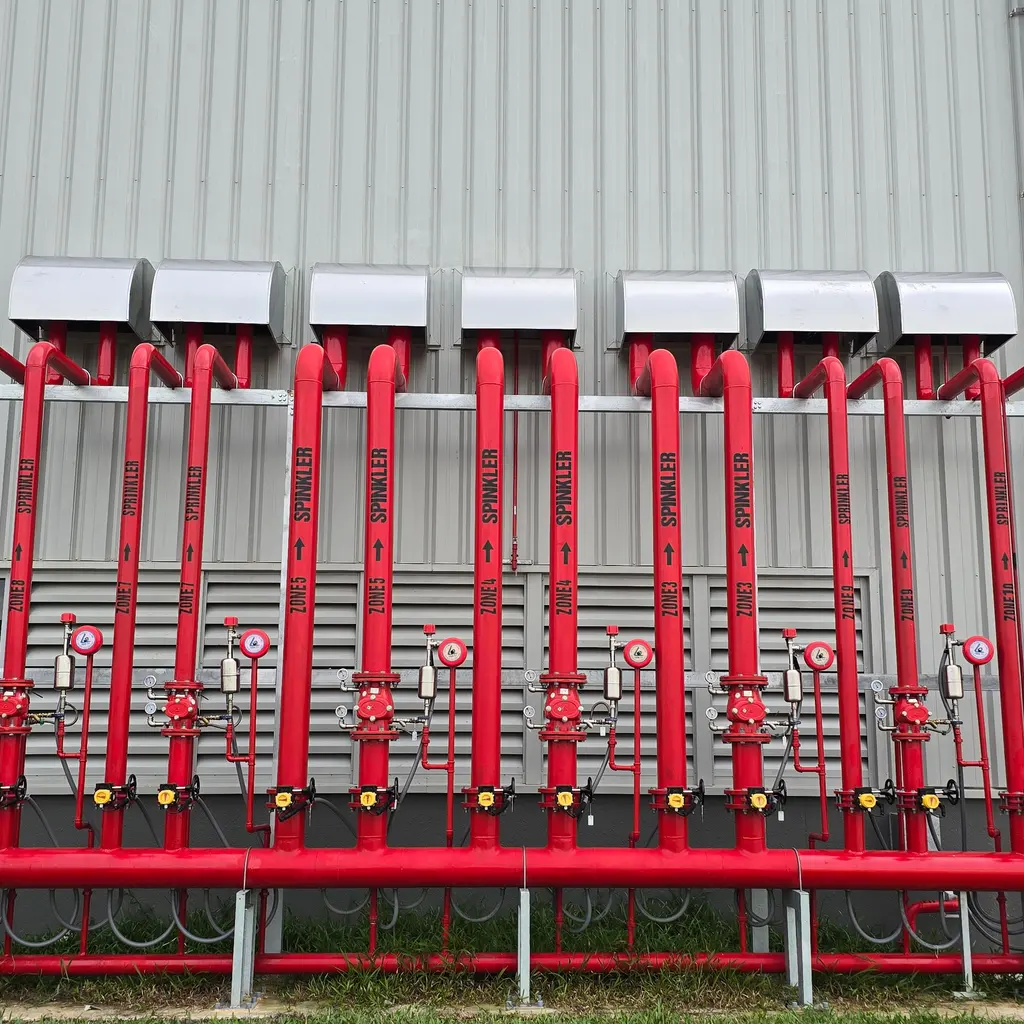
You design, install and service life-safety fire suppression systems in commercial and multifamily buildings. This work involves cutting and hanging heavy pipe overhead and pressure-testing charged systems above finished, occupied spaces.
The Southern Agency can review your design, installation and testing processes to help select appropriate insurance. For example, we can discuss coverage for a water-damage claim involving a leaking pipe alongside the professional liability protection you may need for a system design or hydraulic calculation error.
An owner may allege that installation, inspection, or design errors allowed fire to spread. The contractor's actual responsibility matters; a failure allegation is not automatically a covered professional claim.
Charged pipe and heads above finished spaces can release water, damaging interiors, equipment, and tenant contents.
Hydraulic calculations or head placement can be challenged after installation. Correcting a deficient layout without injury or other property damage differs from a claim for resulting fire damage.
Cutting, threading, and hanging heavy pipe on lifts and ladders exposes crews to falls and dropped-material injuries.
Pressure testing creates stored-energy and water-release hazards. Welding, torch cutting, or soldering, where performed, creates separate ignition exposure; disclose the actual joining methods rather than treating all pipe grooving as hot work.
Threaders, grooving tools, lifts, and pipe stock move between sites and sit exposed to theft and damage.
Strict fire codes and general-contractor demands mean noncompliance can bring rejected work, delays, and disputes.
Policies to ask about. Which ones fit depends on your operations, your contracts, and the carrier’s forms.
These hypothetical examples are not agency claim results. Whether a loss is covered depends on the facts, policy terms, and applicable exclusions.
Hypothetical: a fitting on a newly installed system fails overnight and floods a finished office floor. Applicable liability terms may address covered damage to interiors or equipment. Repairing the fitting and correcting the installation are separate questions; review the work, cause, handoff and water-damage terms.
Hypothetical: after a fire, an owner alleges head spacing did not match the hazard and the system underperformed. Professional liability may address a covered claim if the design or inspection service and alleged error fit. Identify who supplied and approved the calculations and compare defense, resulting damage and correcting the layout under the actual terms.
Hypothetical: a length of pipe slips from a lift and damages equipment below in an occupied building. General liability may address covered damage to other property. Crew injuries, the pipe or lift itself and any interruption demand require their own terms rather than following from that property-damage claim.
Start with the work you do and the questions your current policies leave unanswered. Carrier options depend on your location, risk, and underwriting. Explore our approach.
Design, hydraulic calculations, inspection findings, and recommendations can create professional-service allegations. Tell the agent which services you provide and which an outside engineer performs. Review the insured services and failure-to-perform terms; E&O is not a guarantee that the system will meet every specification.
General liability may address covered damage to a tenant's finishes or contents from a discharge. Repairing the leaking fitting or replacing deficient work is a separate question. Review ongoing and completed operations, water-damage limitations, and the cause and timing of the release.
Public and large commercial projects frequently require performance and payment bonds. Surety bonds can satisfy these requirements, with availability based on the contractor's financial review and underwriting.
Inland marine may help with theft or damage to threaders, lifts, and pipe stock at job sites or in transit, subject to policy terms and scheduled limits matching their value.
Describe welding, torch cutting, and soldering if performed, along with permit, combustible-protection, and fire-watch procedures. Do not classify every grooving operation as hot work. Ask which actual operations and policy conditions apply instead of assuming there is a standard hot-work endorsement for every sprinkler contractor.
Provide the design-versus-installation and service split, protected building occupancies, payroll, joining and testing methods, lift use, equipment values, and loss history. Include sample design and service agreements so promised responsibilities can be compared with the insured services.
Bring your questions, current policies, and relevant contracts. An agent can review coverage terms, exclusions, and the information carriers ask for, then explain the options available to you.