

Accidental system discharge and water damage
Charged sprinkler and standpipe systems can leak or rupture during testing or after install, flooding finished spaces and tenant property.
Try a different word, or check the spelling.
You may be responsible for the calculations and testing as well as the pipework. Coverage needs to fit those professional commitments, not just an accidental leak during installation.
The Southern Agency can help you coordinate coverage for both installation and professional design risks.
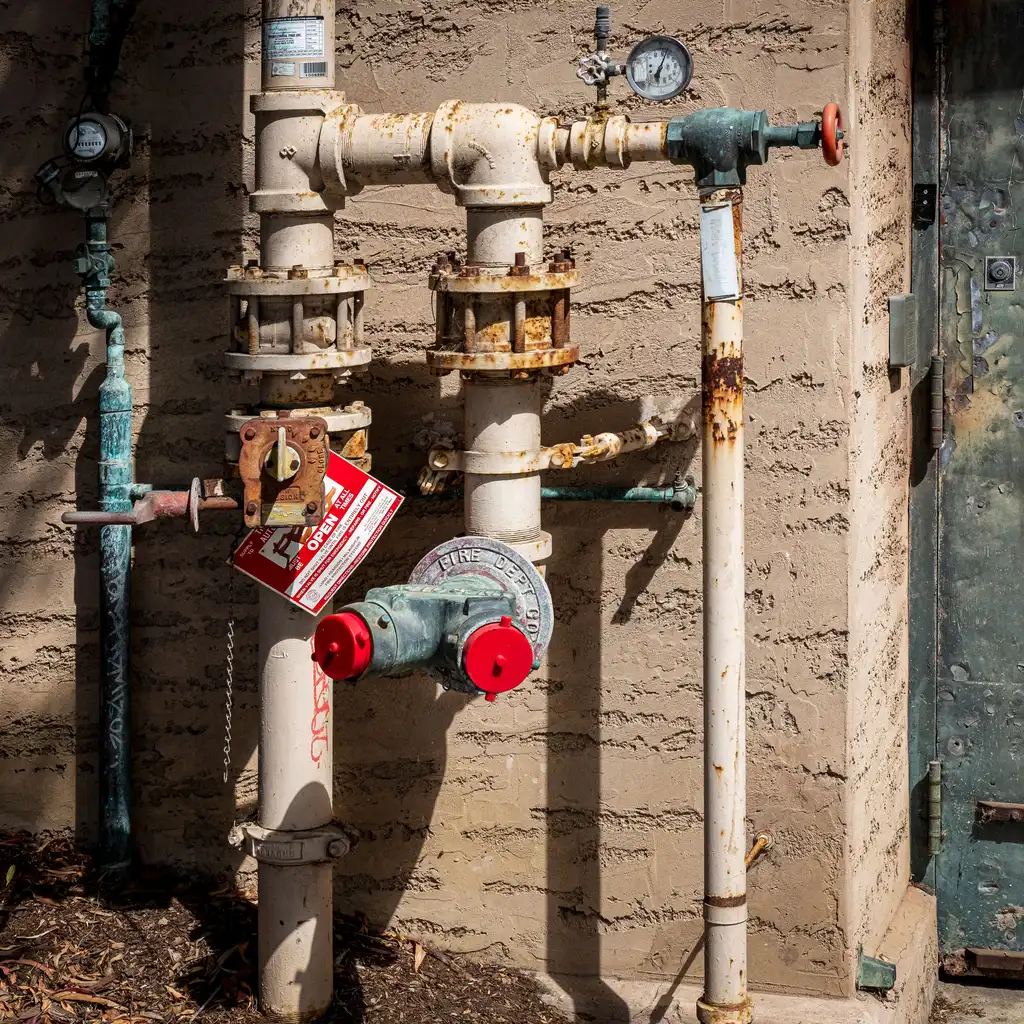
You design and build pressurized suppression systems, which involves running piping above occupied spaces and certifying systems to safety standards. An accidental discharge or a failure to activate during an emergency can lead to extensive property damage or serious liability claims.
The Southern Agency can review the suppression systems you install and any design, calculations, testing or maintenance you undertake. We can compare water-discharge and failure-to-perform allegations across the actual liability and professional terms, alongside offsite tools and requested project bonds.
Charged sprinkler and standpipe systems can leak or rupture during testing or after install, flooding finished spaces and tenant property.
A suppression system that does not activate or control a fire as intended can expose the installer to professional and failure-to-perform claims.
Errors in layout, head placement, or hydraulic calculations can be alleged to leave a building inadequately protected.
Cutting, drilling, and welding to run piping through finished structures can harm walls, ceilings, and adjacent systems.
Welding and cutting on pipe create ignition risk that can damage the very building being protected.
Crews on lifts and ladders handling heavy pipe face fall, strain, and laceration injuries during installation.
Owner and prime-contractor agreements can require inspections, specific liability terms or performance and payment bonds. Bring the actual requirements; inspection acceptance, insurance and surety approval serve different purposes.
Policies to ask about. Which ones fit depends on your operations, your contracts, and the carrier’s forms.
Ready to compare options?
Get a quote for Fire Protection System Installation Contractor Or call 1-800-777-1TSAThese hypothetical examples are not agency claim results. Whether a loss is covered depends on the facts, policy terms, and applicable exclusions.
A charged line leaks above a finished office. Separate the faulty line and test correction from damaged ceilings/electronics and business-interruption demands. Review actual water, work-property and testing terms and preserve charging, pressure and impairment records.
After fire spreads, head layout and hydraulic design are questioned. Identify the actual design/calculation service, water-supply assumptions, delegated responsibilities, and resulting harm. Review GL/E&O definitions and exclusions separately from redesign, replacement or a promised fire-control result.
Welding ignites nearby materials and damages a wall. Preserve permits, combustible protection, and any required watch records; review actual accepted operations and hot-work conditions. Those records support investigation but do not themselves guarantee cover.
Start with the work you do and the questions your current policies leave unanswered. Carrier options depend on your location, risk, and underwriting. Explore our approach.
Design, hydraulic calculations and testing can produce allegations of professional error as well as faulty installation. Compare the accepted services and bodily-injury or property-damage treatment across GL and any proposed professional form. A general consultant E&O policy may exclude the very fire damage alleged here; neither a certificate nor the E&O heading resolves that gap.
General liability may respond to water damage from accidental discharge during or after installation, depending on policy terms and the facts. Coverage depends on the specific policy and exclusions.
Hot-work ignition that damages a building may be covered under general liability, depending on endorsements, warranties, and exclusions. We can review your hot-work requirements.
An owner may require a performance bond for the specified work or a payment bond for eligible labor and material obligations. Check the contract, obligee and bond form. Surety approval and any indemnity reimbursement are separate from liability for an accidental leak or fire; a bond is not a general warranty that a system will extinguish every fire.
Inland marine commonly covers specialized tools and equipment on job sites and in transit. Coverage may help with theft or damage, subject to scheduled values and policy terms.
GCs frequently require general liability, professional liability, and workers' compensation with set limits and additional insured status. Requirements vary by contract, depending on operations.
Bring your questions, current policies, and relevant contracts. An agent can review coverage terms, exclusions, and the information carriers ask for, then explain the options available to you.