

System fails to detect or alert
If an installed or serviced alarm does not signal during a fire, the contractor may face failure-to-warn and professional liability claims tied to losses.
Try a different word, or check the spelling.
You may install the devices, program the zones, and undertake monitoring under different service commitments. Liability coverage needs to reflect the role you actually accept when a signal is expected.
The Southern Agency can help you navigate the risks of installation versus professional monitoring duties.
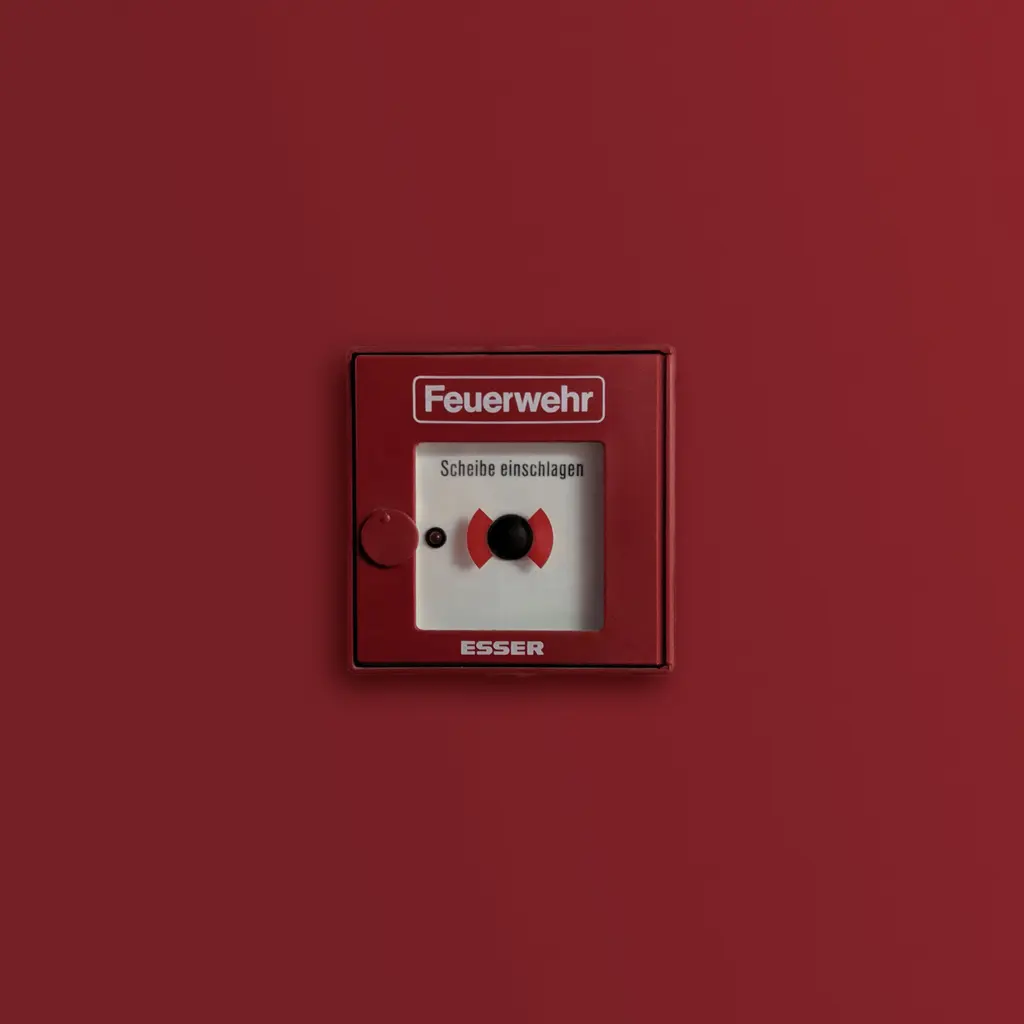
You install and maintain life-safety systems, where a programming error or a missed inspection could mean a system fails when it is needed most. Your work involves accessing occupied buildings, performing electrical wiring, and potentially providing central-station monitoring.
The Southern Agency can help you review the installation, programming, testing and monitoring work you accept. We can compare liability for drilling or wiring damage with life-safety service allegations, checking that the actual services and injury or property claims fit the proposed terms.
If an installed or serviced alarm does not signal during a fire, the contractor may face failure-to-warn and professional liability claims tied to losses.
Improper zoning, device placement, or panel programming can be alleged to cause a system to underperform, exposing professional liability.
Improperly installed or tested systems can trigger false alarms, leading to municipal fines and fire-department response fees.
Drilling, running wire, and mounting devices in finished and occupied buildings can damage walls, ceilings, and existing systems.
Technicians on ladders and lifts working near electrical systems face fall and shock injuries during installation and service.
Contractors offering central-station monitoring carry ongoing duties, and a missed signal or service lapse can lead to claims.
Work that fails inspection or violates fire code can require costly rework and expose the contractor to contractual liability.
Policies to ask about. Which ones fit depends on your operations, your contracts, and the carrier’s forms.
These hypothetical examples are not agency claim results. Whether a loss is covered depends on the facts, policy terms, and applicable exclusions.
A building owner alleges a recently serviced alarm did not signal during a fire and seeks payment for resulting damage. Compare general and appropriate professional liability terms for the servicing duty and alleged loss. The failure-to-warn label alone does not decide the policy; generic E&O may exclude the very property damage claimed.
While mounting devices, a technician drills into a concealed pipe and floods a corridor. General liability may help with the resulting water damage, subject to the specific policy and exclusions.
A miswired panel triggers repeated false alarms and the owner sends you a bill for callouts, retesting and municipal charges. Identify the alleged service error and each cost before reviewing the policy. Correcting your wiring, refunding fees and paying a penalty are different from covered defense or resulting third-party harm.
Start with the work you do and the questions your current policies leave unanswered. Carrier options depend on your location, risk, and underwriting. Explore our approach.
Provide the actual design, programming, testing, inspection, and monitoring duties. Confirm those life-safety services are accepted and review injury/property treatment, exclusions, and reporting terms. Buying E&O does not establish coverage for every failure-to-warn allegation.
Review alleged injury/property damage and negligent services under the actual GL and E&O forms, including completed operations and professional exclusions. Neither 'failure to warn' nor the fact the job is finished automatically determines the responding policy.
Separate actual third-party harm and covered defense from retesting, correcting the panel, service refunds, response charges, and municipal penalties. Do not assume fees or fines are insured merely because a wiring or programming error caused the alarm.
Describe connected systems, customer data, remote access, and signal-transmission responsibilities. Review actual breach, network interruption and liability terms; cyber insurance is not automatically a guarantee that an alarm signal reaches the station or responders.
Separate your test tools, owned stock and customer devices and review transit, staging and installation, values, and security conditions. A tool schedule does not automatically insure every panel or the cost to correct its programming.
Bring actual GL, E&O, auto, employee and completed-operations requirements and proposed endorsements. Additional-insured rights and other contractual terms must be checked against issued policies rather than a certificate alone.
Bring your questions, current policies, and relevant contracts. An agent can review coverage terms, exclusions, and the information carriers ask for, then explain the options available to you.