

Liability for subcontractor work
As the party in control of the site, the GC can be named in claims arising from the work of subcontractors it hires and oversees.
Try a different word, or check the spelling.
You may have several trades on site, but the owner still looks to you for the finished project. Your insurance needs to reflect that coordination role without treating a performance bond as accident coverage.
Call with an upcoming owner contract, your self-performed work, and subcontractor costs to start the coverage review.
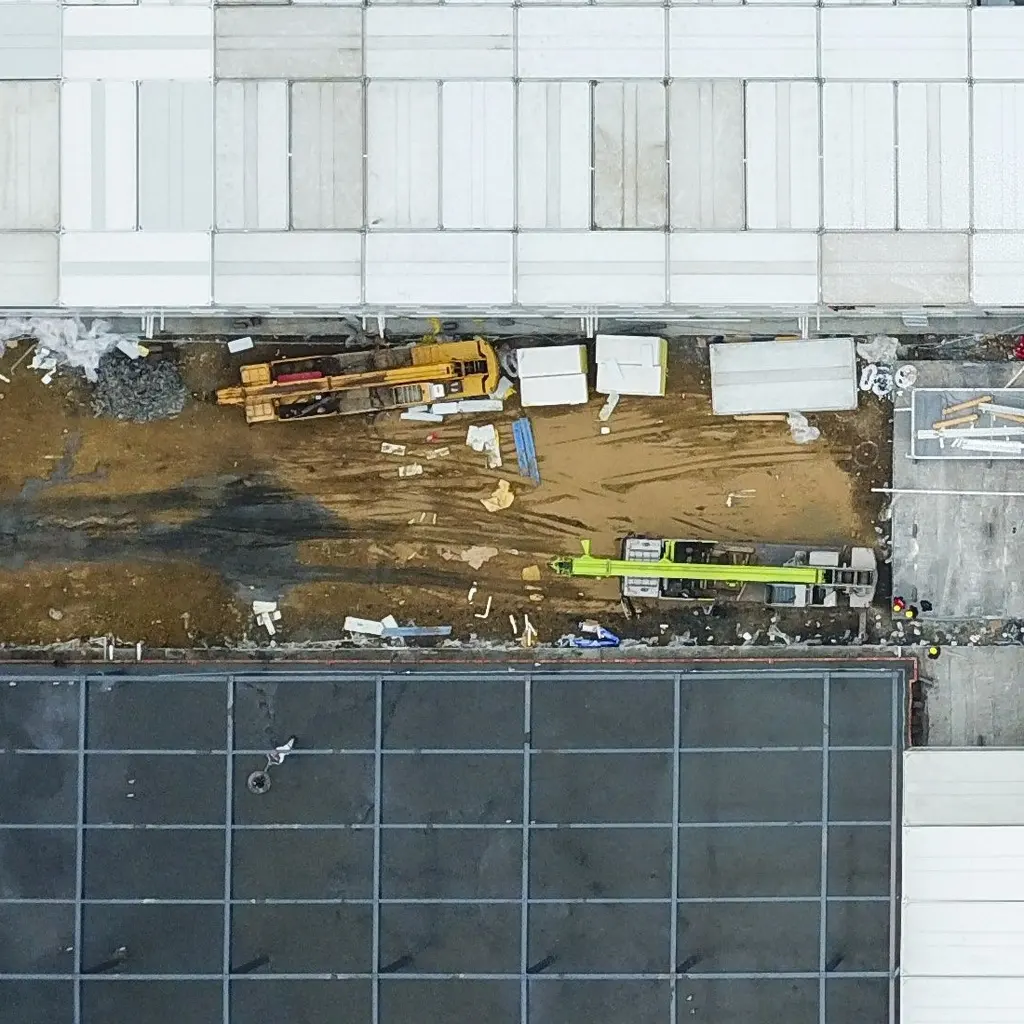
You coordinate commercial builds with your own crews and subcontractors, often across several projects at once. An injury, fire or defect claim can reach your business even when another trade performed the work.
The Southern Agency can review the projects you take on, your subcontract agreements, and the owner's insurance requirements. We can help you compare liability and completed-work protection with builders risk for the work in progress, keeping performance and payment bonds separate from accident coverage.
As the party in control of the site, the GC can be named in claims arising from the work of subcontractors it hires and oversees.
Owner contracts often impose additional-insured, indemnity, and hold-harmless terms that shift exposure onto the general contractor.
Defect and completed-operations claims can emerge years after completion and frequently name the GC alongside trades.
Fire, storm, theft, or vandalism can damage a building before turnover, threatening schedule and budget.
Controlling a multi-trade job site creates exposure to injuries to workers, subs, and visitors across the project.
A sub that fails to perform or becomes insolvent can disrupt the schedule and create financial and bonding exposure.
Commercial and public projects commonly require performance and payment bonds and specific insurance limits.
Policies to ask about. Which ones fit depends on your operations, your contracts, and the carrier’s forms.
These hypothetical examples are not agency claim results. Whether a loss is covered depends on the facts, policy terms, and applicable exclusions.
A subcontractor's employee is injured and names the GC in a claim. Identify the employer, alleged negligence, indemnity agreement, and actual additional-insured endorsement. GL defense or liability, workers' compensation, and employer-related exclusions require separate review; site control alone does not determine the result.
A fire damages a partially completed commercial building before turnover. A builders risk policy may help with repair costs, subject to the specific policy and exclusions.
An owner alleges a defect years after completion and names the GC. Identify the work, completion dates, responsible trades, and any resulting injury or other-property damage. Completed operations is not a workmanship warranty or automatic payment for all rip-out and replacement; issued terms and governing law matter.
Start with the work you do and the questions your current policies leave unanswered. Carrier options depend on your location, risk, and underwriting. Explore our approach.
You can be named in a claim even when a subcontractor performed the work. Review the alleged responsibility, subcontract and actual additional-insured endorsements for ongoing and completed work. Collecting a certificate alone does not add coverage or resolve employer-related exclusions.
Builders risk may protect a building under construction from fire, wind, and theft before turnover. Whether the GC or owner carries it depends on the contract.
Commercial projects carry large values and aggregated exposure, so owners and lenders commonly require umbrella or excess limits. The right amount depends on the contract and underwriting.
Performance and payment bonds are commonly required on commercial and public work. Surety capacity depends on financials and experience.
Defect claims can surface years after completion and may name the GC even when a sub performed the work. Coverage depends on the specific policy, endorsements, and exclusions.
Underwriters weigh revenue, project type and size, percentage subcontracted, payroll, and claims history. Coverage availability depends on underwriting.
Bring your questions, current policies, and relevant contracts. An agent can review coverage terms, exclusions, and the information carriers ask for, then explain the options available to you.