

Falls and work at extreme height
Crews on upper floors, edges and hoists face severe falls. Actual heights, access arrangements and employer roles matter, including when different trades share a floor or hoist.
Try a different word, or check the spelling.
Each new floor adds project value while work continues above and below it. Your property and liability protection needs to reflect that stacked site, including the streets and neighboring buildings around it.
The Southern Agency can help you address the risks and contractual requirements of vertical construction projects.
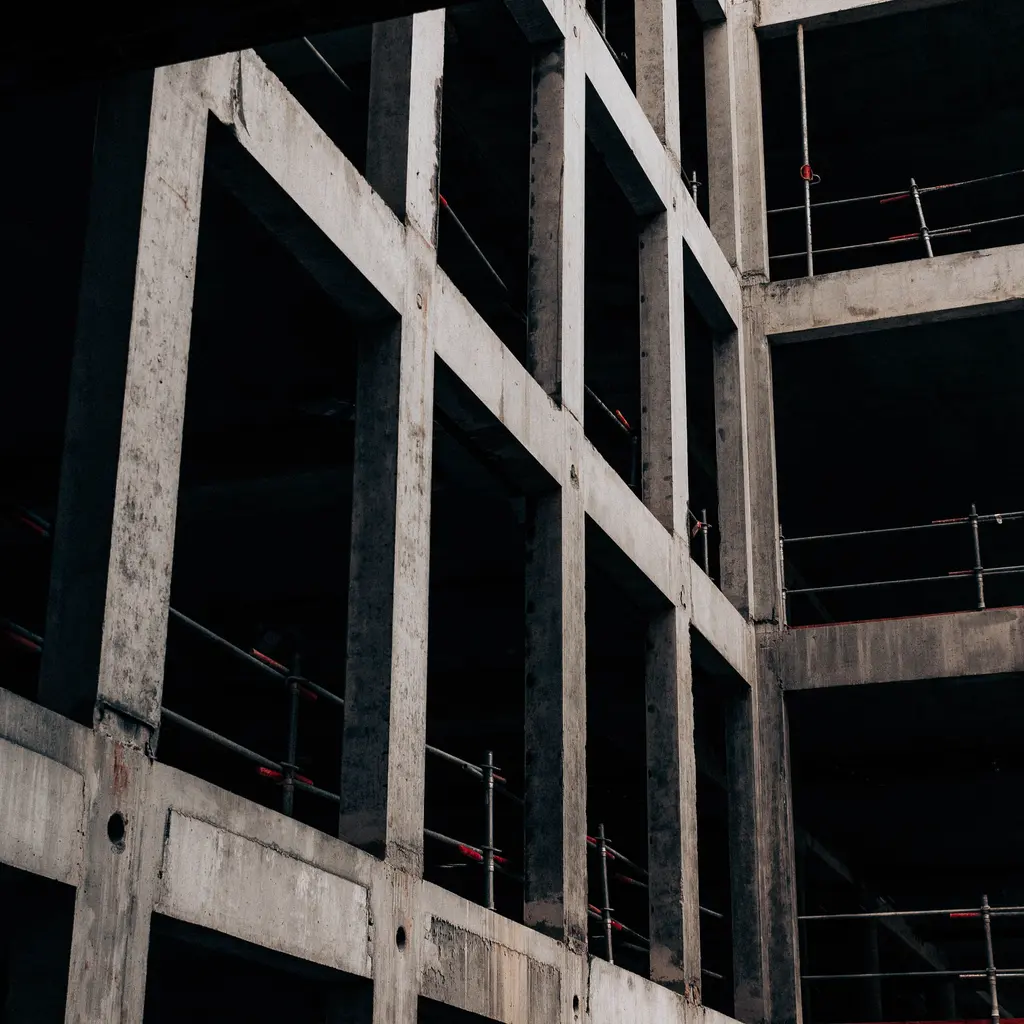
You coordinate complex vertical construction projects where workers, materials, and heavy tower cranes operate at extreme heights. If a falling object causes injury or a high-rise structure suffers damage from weather or a cascading water leak, you could face severe financial consequences.
The Southern Agency can review your building height, crane roles and project obligations to help choose insurance. We can compare property values as the structure rises with liability to neighboring buildings and the public, then examine issued project or subcontractor rights separately from certificates and delay promises.
Crews on upper floors, edges and hoists face severe falls. Actual heights, access arrangements and employer roles matter, including when different trades share a floor or hoist.
Cranes lifting heavy loads over streets and neighboring buildings create catastrophic exposure if a load drops or the crane fails.
A single failed connection or fire on an upper floor can damage many floors below, multiplying loss in a stacked structure.
As floors rise, the value at risk grows quickly, making fire, storm, and theft losses to the building under construction severe.
Compressed sites place staging, deliveries, and crane zones against pedestrians and adjacent property, raising third-party risk.
Long timelines tied to lease and lender commitments mean a loss can trigger delay claims and liquidated damages.
Sequencing dozens of trades up many floors raises injury, property-damage, and defect claims that flow back to the builder.
Policies to ask about. Which ones fit depends on your operations, your contracts, and the carrier’s forms.
These hypothetical examples are not agency claim results. Whether a loss is covered depends on the facts, policy terms, and applicable exclusions.
Hypothetical: material falls from an upper floor and injures a passerby. GL may address covered third-party injury under accepted height and site duties. Preserve trade, staging and public-access records; an employee's benefits and the builder's own materials are different interests.
Hypothetical: a failed upper-floor connection sends water through finished levels. Project-property terms may address covered resulting physical loss under included water causes, work stages and values. Preserve tests and trade handoffs; connection correction, owner lease demands and delay costs need separate terms.
Hypothetical: a lifted load damages a neighboring building. Accepted contractor or crane liability may address covered harm, with excess considered above its specified underlying policy after attachment. Identify operator and lift-control roles; neither GL nor excess automatically insures the crane, load and neighbor together.
Start with the work you do and the questions your current policies leave unanswered. Carrier options depend on your location, risk, and underwriting. Explore our approach.
Compare actual height, public/adjacent-property and crane interests and contract limits with accepted underlying GL/auto/employer and excess terms. More capacity does not insure omitted crane work, all worker claims, or contract-only delay and liquidated damages.
Identify actual crane owner/lessor, erector, operator, rigger, and lift-control roles and street/neighbor exposure. Review third-party liability separately from customer loads, crane physical damage, and contract duties; neither GL nor excess automatically covers every crane interest.
Builders risk may help with damage from a covered water event during construction, subject to the limits, exclusions, and terms disclosed, so the cause and policy language matter.
Value at risk grows with each floor, so a fire or storm late in construction can be severe. Builders risk limits should reflect the structure's full value as it rises, subject to policy terms.
Read actual owner/lender/public-contract requirements and obligee terms. Performance and payment obligations differ and require surety approval; bonds are not the builder's accident insurance or an unlimited guarantee of every financing, lease or delay promise.
Pricing commonly reflects building height, crane use, contract value, site density, payroll, bonding needs, and claims history. A tailored quote reflects how your specific projects are built.
Bring your questions, current policies, and relevant contracts. An agent can review coverage terms, exclusions, and the information carriers ask for, then explain the options available to you.