

Crane and tilt-up panel collapse
Setting heavy concrete panels and steel with cranes creates the risk of a dropped or collapsing panel causing serious injury or property damage.
Try a different word, or check the spelling.
Your building can have a large roof area before the enclosure and bracing are complete. Protection for that unfinished structure needs attention alongside the cranes, panels, and people on site.
Start with an upcoming warehouse project, its construction methods, peak values and planned tenant handover.
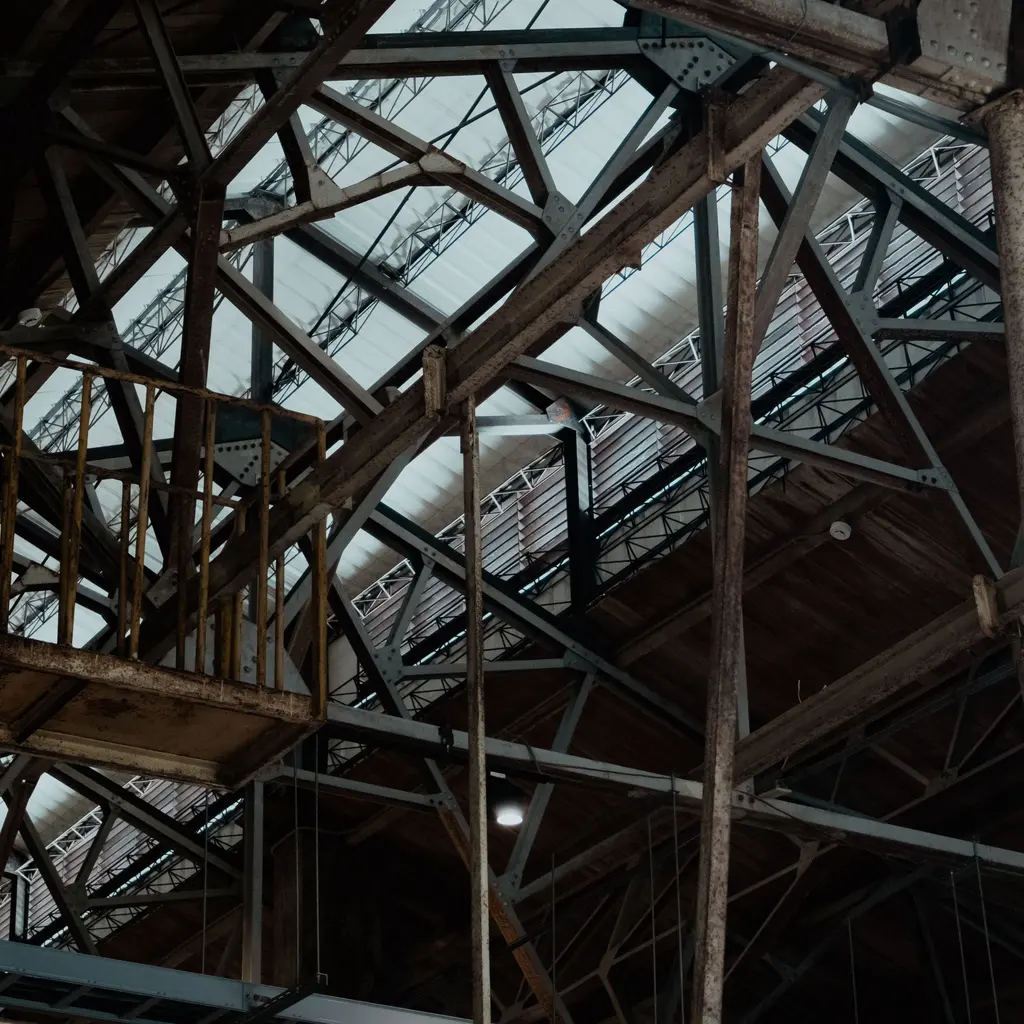
You coordinate the foundations, frame and enclosure of warehouses or distribution centers. Depending on the project, tilt-up panels, steel erection and long roof spans can put high values at risk before the building is enclosed, while staged materials and heavy site traffic add theft and injury concerns.
The Southern Agency can review your construction methods, self-performed work and owner requirements to help you compare insurance. We can discuss builders risk for the unfinished warehouse alongside lifting liability and heavy equipment, with tenant deadlines and bond obligations reviewed separately.
Setting heavy concrete panels and steel with cranes creates the risk of a dropped or collapsing panel causing serious injury or property damage.
Large, unfinished roof systems are vulnerable to wind uplift and storm damage before the structure is fully enclosed and braced.
Structural steel, wiring, and mechanical materials staged on big sites are attractive and frequent targets for theft.
Extensive earthwork can disturb contaminated soil or send runoff onto neighboring property, creating environmental and water claims.
Cranes, excavators, and graders are high-value machines exposed to damage, breakdown, and theft on remote, active sites.
Workers near crane picks, steel erection, and large pours face crush and fall exposure driving workers' compensation costs.
A site loss or weather delay can push work past a tenant's occupancy date. The owner's delay demand or liquidated damages may remain a contract cost even when physical damage to the project is insured.
Policies to ask about. Which ones fit depends on your operations, your contracts, and the carrier’s forms.
These hypothetical examples are not agency claim results. Whether a loss is covered depends on the facts, policy terms, and applicable exclusions.
A tilt-up panel shifts during a crane pick and damages completed work and another contractor's equipment. Review project damage under builders risk separately from liability to the equipment owner. Damage to the panel on the hook and the crane involves additional ownership, custody and lifting terms; neither policy label settles all three.
A storm strikes before a long-span roof is fully braced, peeling back decking and damaging the structure. A builders risk policy may respond to repair costs, subject to the specific policy, endorsements, and exclusions.
Structural steel and copper wiring staged for installation are stolen overnight. A builders risk or inland marine policy may respond depending on where the materials were stored and the policy terms.
Start with the work you do and the questions your current policies leave unanswered. Carrier options depend on your location, risk, and underwriting. Explore our approach.
Crane picks and panel setting are primary underwriting concerns. General liability and builders risk may respond to resulting damage, depending on the cause and policy terms.
Builders risk may help with wind and storm damage to a structure under construction, subject to policy limits and exclusions.
Cranes, excavators, and graders are high-value machines exposed on remote sites. Inland marine may help with theft, damage, or loss to that equipment, subject to policy terms and limits.
Mass grading can disturb soil or alter drainage. Environmental liability may respond to cleanup and runoff claims, depending on the policy, endorsements, and the facts.
Owners and lenders often require performance and payment bonds on large contracts. Surety bonds may help meet those terms, though capacity depends on the constructor's financials and underwriting.
Insurance pricing reflects project size, crane and steel work, subcontracting, equipment values, payroll and claims history. Surety capacity and bond pricing are assessed separately using the project obligations and financial information. Neither can be established from building area alone.
Bring your questions, current policies, and relevant contracts. An agent can review coverage terms, exclusions, and the information carriers ask for, then explain the options available to you.