

Work near shoppers and tenants
Building inside occupied centers exposes the public, neighboring stores, and mall common areas to injury and property-damage claims.
Try a different word, or check the spelling.
Your fit-out may belong to a tenant while the surrounding building belongs to the landlord. Property protection for the work and liability to neighboring stores are different needs.
The Southern Agency can help you protect your retail projects while managing landlord and tenant property interests.
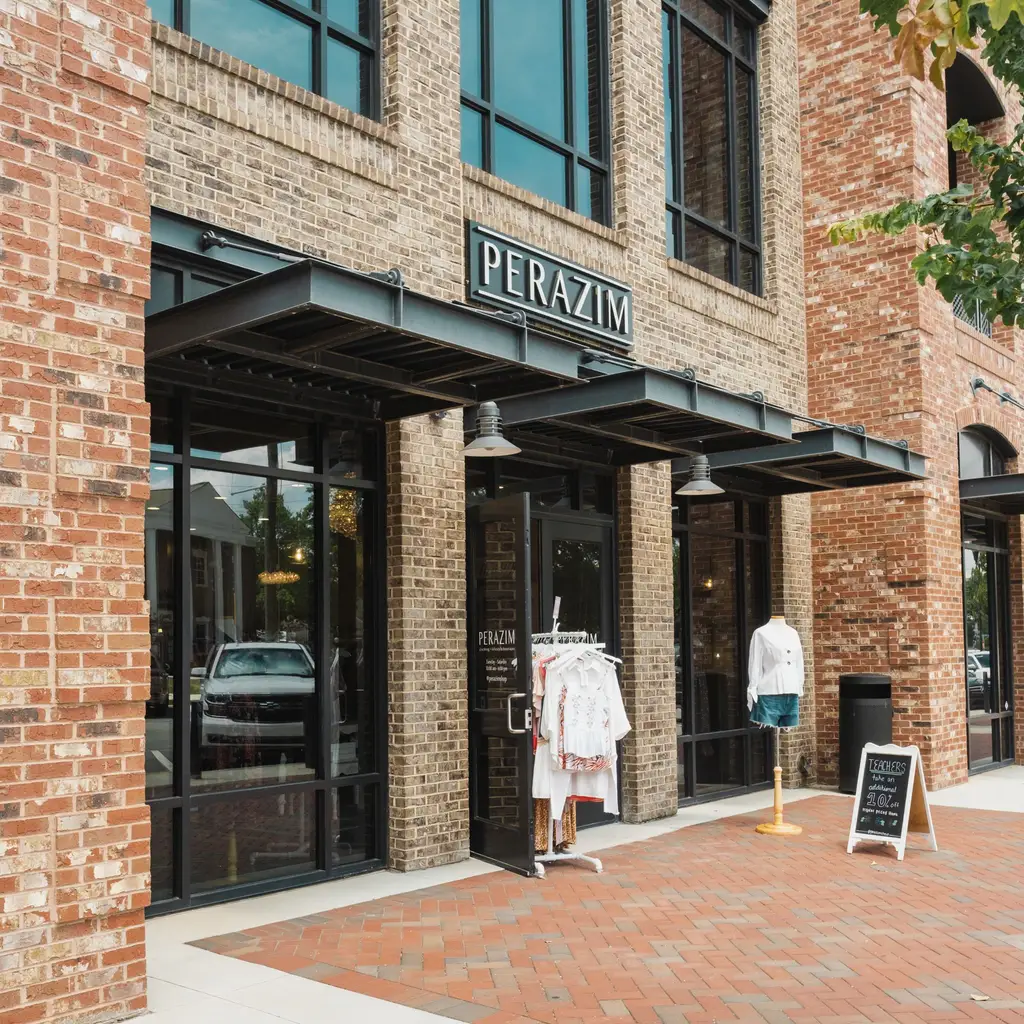
Your work delivers retail fit-outs, often in busy shopping centers where you must work around the public. A construction accident can damage neighboring tenants' property or disrupt their business operations.
The Southern Agency can review your build-out work and landlord or tenant responsibilities to help you choose insurance. We can discuss builders risk for accepted fixtures and materials alongside liability terms for work within occupied shopping properties.
Building inside occupied centers exposes the public, neighboring stores, and mall common areas to injury and property-damage claims.
Glass storefronts, signage, and finish installation create falling-glass and installation risk to people and property nearby.
A missed opening date may lead to tenant or landlord demands under the contract. Whether a physical loss is covered does not determine whether every rent, sales or liquidated-damages demand is insured.
Restaurant and grocery build-outs involve refrigeration and electrical systems that add fire, water, and installation exposure.
Lease and tenant agreements impose detailed insurance, indemnity, and sometimes bonding terms the builder must satisfy.
Fixtures, signage, millwork, and equipment staged for installation are vulnerable to fire, theft, and water during construction.
Compressed schedules and night work in active centers raise injury exposure for crews installing finishes and systems.
Policies to ask about. Which ones fit depends on your operations, your contracts, and the carrier’s forms.
These hypothetical examples are not agency claim results. Whether a loss is covered depends on the facts, policy terms, and applicable exclusions.
A shopper is injured passing a barricaded build-out in an open mall when materials encroach on the walkway. A general liability policy may respond to the third-party claim, depending on policy terms and the facts.
Custom fixtures and signage staged for a near-complete store are stolen overnight before installation. A builders risk or inland marine policy may respond depending on storage and the policy terms, endorsements, and exclusions.
A plumbing tie-in during a build-out leaks into an adjacent occupied store. A general liability policy may respond to the neighboring tenant's claim, depending on policy terms and the facts of the loss.
Start with the work you do and the questions your current policies leave unanswered. Carrier options depend on your location, risk, and underwriting. Explore our approach.
Review general liability for injury or damage to others and separate project-property protection, such as builders risk, for the build-out and covered fixtures. Workers’ compensation, vehicle and mobile-equipment needs depend on the crews and equipment used. Check the lease and construction agreement for insured parties and endorsements. If a bond is requested, review that obligation separately rather than treating it as accident insurance.
Building near shoppers and tenants adds public and adjacent-property exposure. General liability may respond to those claims, but strong site controls and clear policy terms matter for these projects.
Review the actual lease, construction agreement and landlord/tenant entities, limits, endorsements, indemnity and any bonds before mobilization. A certificate does not confer required rights, and the contract can impose uninsured duties; do not assume the requested wording is available.
Builders risk or an installation floater may insure covered fixtures, signage, and materials before installation, but confirm who owns them and who is responsible for loss at each stage. Give the insurer the supplier, off-site storage, transit, and jobsite values and locations. Check theft and water terms and when protection ends; opening the store or using the installed property can affect the handoff to operating coverage.
Identify why opening was missed and distinguish damaged property or an injury claim from lost sales, rent, and liquidated damages. A covered physical event does not automatically insure every schedule or lease penalty; any specific time-related terms must fit the actual interest, cause and period. Bond obligations are separate.
Pricing commonly reflects project mix, work in occupied centers, storefront and systems scope, payroll, lease requirements, and claims history. A tailored quote reflects how your specific projects are built.
Bring your questions, current policies, and relevant contracts. An agent can review coverage terms, exclusions, and the information carriers ask for, then explain the options available to you.