Skip to content

Institutional Building Contractor Insurance

Your construction boundary may sit beside a classroom, ward or public service that stays open. Liability and project-property protection need to reflect that setting and the specialist systems you undertake.

The Southern Agency can help you align your insurance with the specialized requirements of institutional construction.

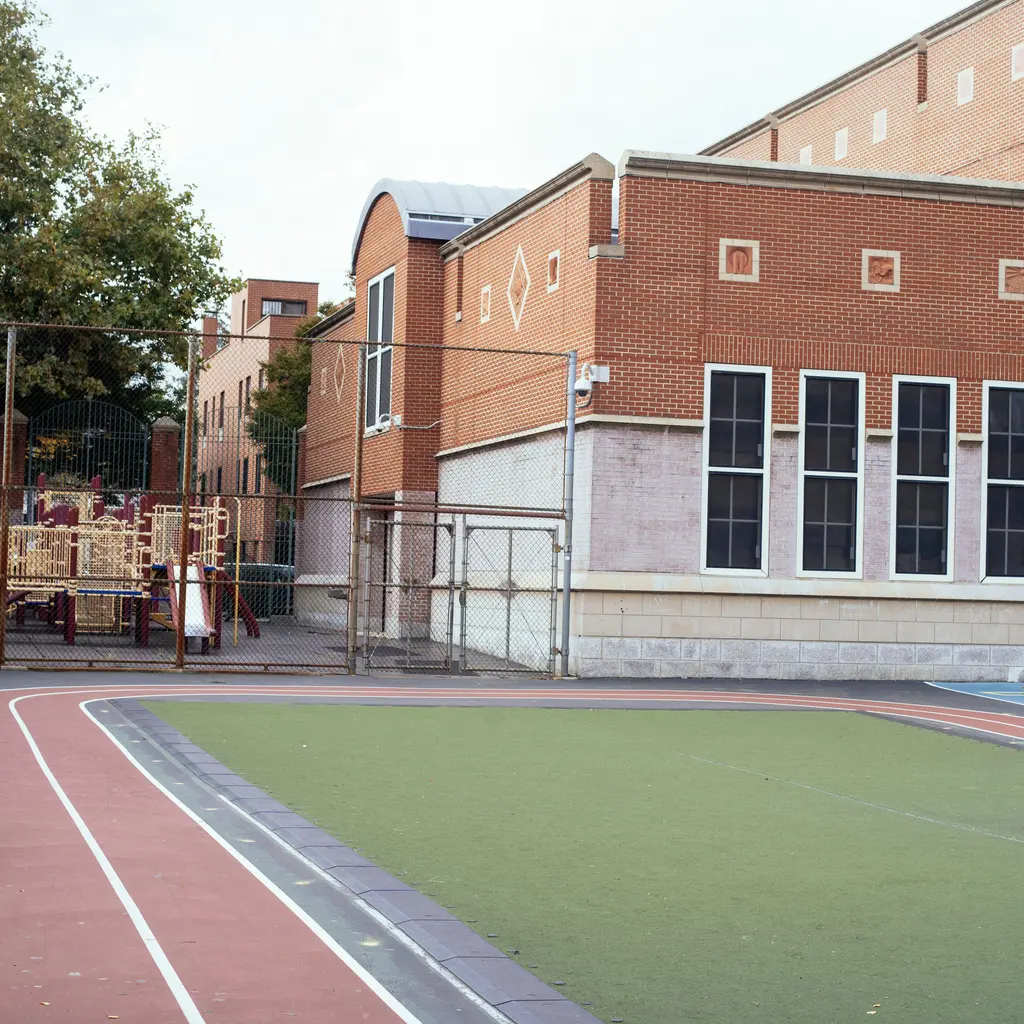
A red-brick school building beside an empty playground and running track.

Industry overview

You renovate or build schools, hospitals, and public facilities, often working in sensitive, occupied areas. Managing specialized systems like medical gas or kitchens alongside campus life requires complex coordination and safety planning.

The Southern Agency can review your project-specific requirements and safety planning to help you select appropriate insurance. For example, we can discuss how general liability may address third-party injury claims near your active construction zones.

Risks worth discussing

Bonding and contract compliance

Review the actual public/private contract, applicable requirements, obligee, and bond obligations. Failure to meet a required insurance or bonded duty may affect contract performance; institutional use alone does not prove a universal mandate.

Work near occupied facilities

Building in or beside active schools and hospitals exposes students, patients, and staff and demands strict dust, noise, and life-safety controls.

Strict specification and defect risk

Exacting technical specs and public scrutiny raise the likelihood of defect allegations and costly rework on institutional projects.

Specialized systems exposure

Labs, medical gas, life-safety, and commercial kitchen systems add installation and failure exposure beyond ordinary construction.

Schedule delay on public timelines

A covered loss or weather event can disrupt academic or agency schedules, exposing the contractor to delay claims and penalties.

Prevailing-wage and employment exposure

Identify applicable wage/payroll rules and actual employer responsibilities. Payroll, audit or wage demands are not automatically GL, employee-injury or employment-practices coverage.

Loss to the structure under construction

Fire, storm, or theft can cause major loss to a high-value institutional building and its specialized materials in progress.

Situations to think through

These hypothetical examples are not agency claim results. Whether a loss is covered depends on the facts, policy terms, and applicable exclusions.

  1. Hypothetical: Injury near an occupied school

    During an addition to an active school, debris reaches a walkway and a passerby is injured. A general liability policy may respond to the third-party claim, depending on policy terms and the facts of the incident.

  2. Hypothetical: Bond called on a delayed project

    An agency alleges schedule nonperformance and seeks a performance-bond response. Preserve notices, contract/default provisions, extensions, and project records. Actual bond/contract conditions and facts govern; a delay allegation is not automatic surety payment or insurance protecting the contractor from its own performance obligations.

  3. Hypothetical: Specification dispute on a lab system

    A lab system is alleged not to meet specification and rework is demanded. Identify who designed, specified, and accepted it and whether any separate harm occurred. GL or E&O does not automatically pay removal/reperformance simply because the facility is institutional or the system has been handed over.

Before you talk to an agent

What to have ready

Tick items as you gather them. Nothing here is saved or sent.

Questions to raise

  • Identify public/private owner, contract and applicable procurement/wage/bond requirements rather than assume every school/hospital is a public project.
  • Allocate design, specialized-system testing, commissioning, and specification approval. Rework-only nonconformance differs from resulting harm and defined professional negligence.
  • Bring facility-approved infection-control risk assessment/containment, life-safety, access, shutdown, and phased-handoff plans for occupied work. These are operating responsibilities, not proof a policy covers infection or disruption.
  • Review actual infection/communicable disease, fungi, dust, pollution, professional, and work-property terms alongside actual GL/WC and excess roles.
  • Match builders risk to specialized system values
  • Verify actual subcontractor policies/endorsements, accepted trades, and ongoing/completed additional-insured scope; certificates and indemnity alone do not create coverage.
  • Review actual bond notice/default and contract-delay obligations separately from insurance reporting; a disputed schedule does not automatically establish a payable bond claim.

What the agent conversation looks like

Start with the work you do and the questions your current policies leave unanswered. Carrier options depend on your location, risk, and underwriting. Explore our approach.

  1. ListenReview your operations, current coverage, and past claims.
  2. AssessIdentify potential hazards and discuss ways to reduce risk.
  3. BuildDiscuss policy and carrier options, premium costs, and audits.
  4. SupportReview changes and help you plan ahead as your needs develop.

Questions owners ask

Why is bonding central to institutional work?

Obtain the actual public/private contract and applicable requirements. Performance addresses bonded performance; payment addresses eligible unpaid suppliers/subcontractors, subject to terms. Neither institutional use nor an insurance certificate establishes a mandate or bond approval.

How does working near a hospital or school affect coverage?

Occupied facilities need actual access, containment, life-safety, and facility coordination. Review accepted operations and infection, fungi, dust, pollution, and professional terms; a facility-approved plan is not insurance approval.

Do institutional contractors need professional liability?

Review actual design/specification services and defined professional coverage. Negligent design, contract performance and reworking a nonconforming lab or medical system are not automatically the same insured loss.

What happens if a public project falls behind schedule?

Delay can expose the contractor to penalties or a bond call. How a surety responds depends on the bond and contract terms.

Does builders risk apply to specialized institutional systems?

Builders risk may help cover the structure and specialized systems during construction against fire, storm, and theft, subject to policy limits.

How is institutional building contractor insurance priced?

Insurance pricing reflects project values, occupied-facility work, specialized systems, payroll, design duties and claims history. Provide the actual contract requirements for a useful quote. Bond approval and charges are reviewed separately from the insurance premium.

Talk through your institutional building contractor coverage

Bring your questions, current policies, and relevant contracts. An agent can review coverage terms, exclusions, and the information carriers ask for, then explain the options available to you.

How can we help you get started?

Choose the quote that fits, and we’ll take it from there.

Have a question? Contact us