

Repair failure and callbacks
Patches, overlays, or sealers that fail to bond or crack again can trigger rework, disputes, and property damage claims from customers.
Try a different word, or check the spelling.
You may be preparing and sealing one part of a parking deck while people use the rest. Liability for nearby people and property, including the products you apply, needs to fit that repair setting.
The Southern Agency can help you protect your restoration business with tailored liability and chemical-exposure insurance.
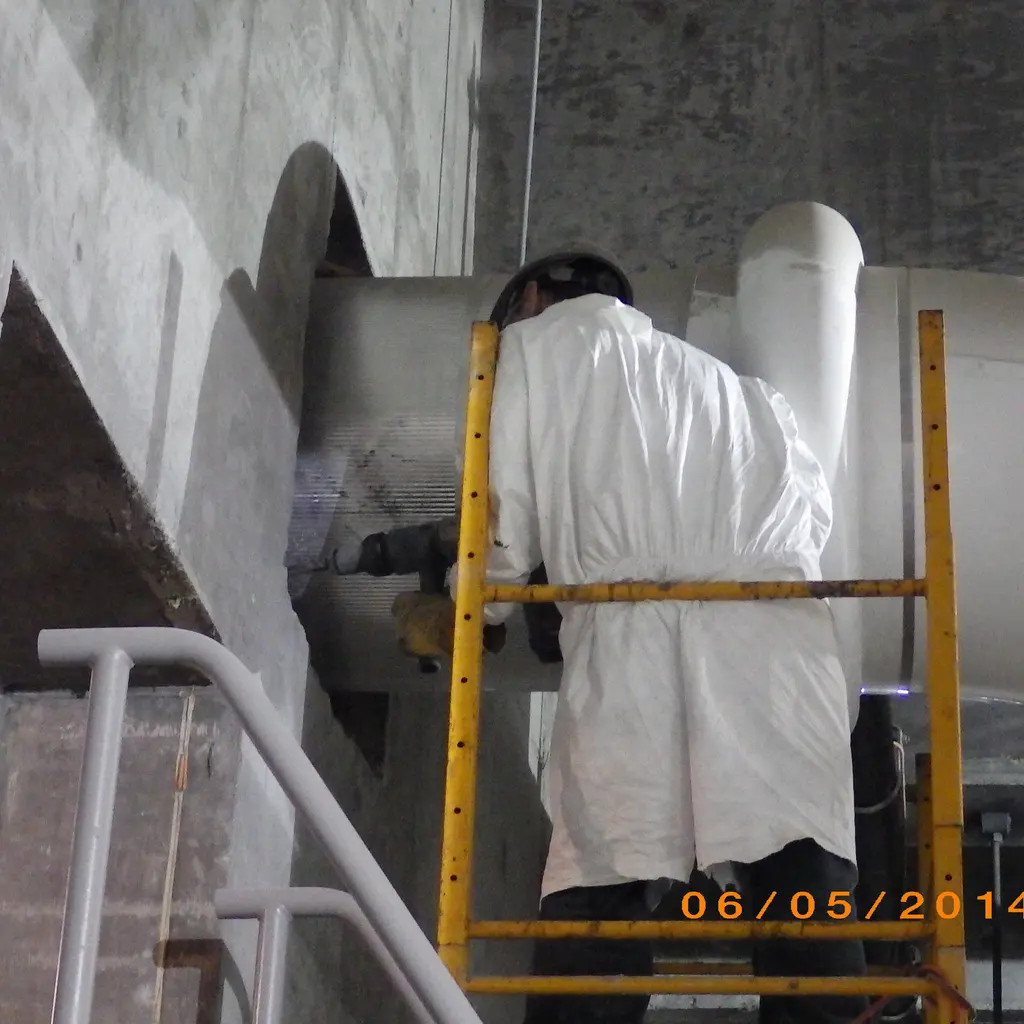
You restore structures through patching, resurfacing and chemical sealing, often working in occupied spaces where your materials or equipment could pose risks to customers. A failure of a patch to bond or an accidental spill can lead to claims and expensive re-work.
The Southern Agency can review your repair methods and chemical use to help you select insurance. We can compare liability for damage around finished property with pollution terms for the epoxies, dust or releases involved.
Patches, overlays, or sealers that fail to bond or crack again can trigger rework, disputes, and property damage claims from customers.
Actual epoxies, sealers and solvents determine burn, fume and fire hazards. Provide product safety data and application, ventilation and storage requirements rather than assume all repair chemicals have the same profile.
Working on active parking decks and retail lots exposes the public to trip hazards, wet sealers, and open work zones.
Surface preparation releases respirable crystalline silica, creating health exposure for crews and bystanders nearby.
Overspray, spills, or staining from sealers and chemicals can damage vehicles, finishes, or landscaping at a job site.
Grinders, sprayers, mixers, and pumps moved between jobs can be stolen from trucks or damaged in transit and use.
Policies to ask about. Which ones fit depends on your operations, your contracts, and the carrier’s forms.
These hypothetical examples are not agency claim results. Whether a loss is covered depends on the facts, policy terms, and applicable exclusions.
A resurfaced warehouse floor peels and the owner demands removal and replacement. Completed-operations terms may address covered resulting injury or damage to other property, but correcting the overlay alone is a separate cost. Identify any separate harm to the substrate, inventory or equipment and review actual work exclusions and warranty duties; the replacement demand is not itself proof of an insured loss.
Sealer drifts onto cars in an occupied lot during application. Liability terms may address covered third-party damage if the actual product, application, and cause are included. Review affected vehicles, damage, and cleanup separately under GL and any pollution policy, including overspray, work-property and reporting terms. Having pollution coverage does not establish acceptance of every sealer or application.
A worker is harmed by fumes in a poorly ventilated space. Workers' compensation may respond to medical care and lost wages, depending on the specific policy and jurisdiction.
Start with the work you do and the questions your current policies leave unanswered. Carrier options depend on your location, risk, and underwriting. Explore our approach.
Discuss liability for resulting injury or property damage, employee benefits, mobile equipment, vehicles, actual pollution needs, and excess limits. Describe repair, diagnosis, products, and occupied-site duties. The mix and availability depend on actual operations, employment arrangements, contracts and underwriting, not a standard package for every repair firm.
Completed-operations terms may address covered resulting injury or damage to other property. Removing and replacing a failed patch, overlay or sealer alone is a separate cost, not a performance warranty payment. Keep preparation, product, work, handoff and damage records and identify any separate harm before assuming the redo is insured.
Actual products, application, spills, fumes, and overspray can raise pollution questions. Environmental terms may address covered liability or cleanup where operations and contaminants are included. Compare GL restrictions, accepted products, reporting, and transport or disposal terms; neither the epoxy label nor a pollution policy establishes every loss's coverage.
General liability may address covered injury or property damage around open work zones and treated surfaces. Identify public access, vehicle protection, ventilation, and who authorizes reopening. Compare actual contract limits and excess attachment; extra limits do not supply excluded pollution protection or pay to redo a failed repair.
Inland marine may help with covered theft or damage to insured mobile equipment at sites or in transit. Check values, owned and rented items, storage and causes separately from chemical stock, wear or internal breakdown. A tool schedule does not automatically insure every load or faulty application.
Requirements depend on actual employers, employees, subcontracted labor and work states under applicable law. Coverage may provide qualifying injury or occupational-disease benefits. Provide payroll, chemical and grinding duties and exposure periods; a small crew or subcontractor certificate alone does not establish an exemption or resolve every historic silica claim.
Bring your questions, current policies, and relevant contracts. An agent can review coverage terms, exclusions, and the information carriers ask for, then explain the options available to you.