

Post-tension cable and rebar strikes
Boring into a tensioned cable or heavy reinforcement can injure operators and compromise the structural integrity of a slab or beam.
Try a different word, or check the spelling.
When you wet-core through a floor, the water and slurry have to go somewhere. Liability and pollution terms need to reflect the rooms and equipment that may be below.
The Southern Agency can help you align your drilling operations with the necessary liability and pollution insurance.
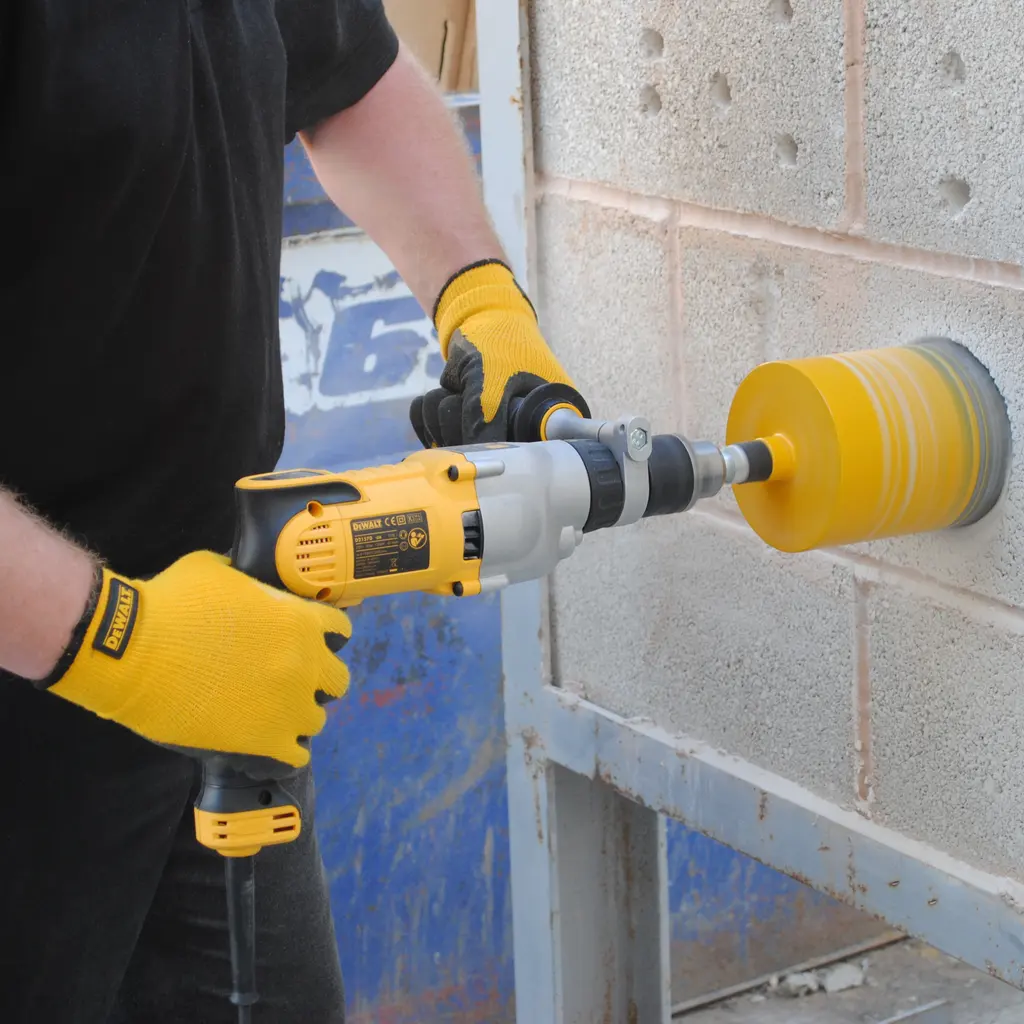
You drill through concrete walls and slabs, sometimes above occupied rooms or near concealed services and tensioned reinforcement. A binding barrel can injure your operator, while water and slurry can reach ceilings, equipment or people on the floor below.
The Southern Agency can review your drilling, scanning, and reporting duties to help you select insurance. We can discuss resulting property damage and slurry-related liability, keeping correction of a misaligned opening as a separate cost.
Boring into a tensioned cable or heavy reinforcement can injure operators and compromise the structural integrity of a slab or beam.
Cores can hit hidden electrical conduit, plumbing, or data lines inside walls and slabs, causing injury, outages, and damage.
Wet coring sends water and slurry through the hole, potentially damaging ceilings, finishes, and equipment on lower floors.
High-torque core barrels can grab clothing or kick if they bind, exposing operators to serious injury.
Diamond core rigs, barrels, and vacuum units are valuable, portable tools at risk of theft from sites and damage in transit.
Dry drilling and prep release respirable crystalline silica, creating a health exposure for crews and occupants nearby.
Policies to ask about. Which ones fit depends on your operations, your contracts, and the carrier’s forms.
These hypothetical examples are not agency claim results. Whether a loss is covered depends on the facts, policy terms, and applicable exclusions.
Hypothetical: water and slurry reach an occupied office below and damage equipment and ceilings. GL may address covered resulting water damage; pollution terms may address covered liability or cleanup if the operation and contaminant are included. Review both responses. Collection costs and correcting the penetration do not automatically follow from the interior-damage claim.
Hypothetical: a core severs a post-tension tendon. GL may address covered resulting injury or property damage if the operation and terms allow it. Preserve scanning, marking and authorization records. Separate tendon or host-slab repair from resulting harm to other property; ordinary drilling acceptance does not establish post-tension eligibility or payment for the structural repair itself.
Hypothetical: a core barrel binds and injures the operator's hand. Workers' compensation may provide qualifying medical and wage benefits under applicable law. Identify the actual employer and duties; another firm's worker, the rig and the partly drilled slab involve separate liability and property questions.
Start with the work you do and the questions your current policies leave unanswered. Carrier options depend on your location, risk, and underwriting. Explore our approach.
Discuss liability for resulting harm, employee benefits, mobile core equipment, vehicles, actual pollution needs, and excess limits together. Describe methods, occupied and elevated work, post-tension duties and any sampling or reporting. Availability depends on actual operations, employers, contracts, and underwriting, not a standard package or automatic structural-work acceptance.
GL may address covered resulting water damage to ceilings, finishes or equipment. Check the actual property affected, water and pollution terms and any separate contamination or cleanup allegation. Collection costs and correcting the penetration do not automatically follow, and a pollution policy does not assign every wet-coring incident to one response.
Liability terms may address covered resulting injury, property damage or loss of use if actual structural and post-tension operations are included. Separate the cable or host slab being worked on, any other damaged property, misplaced-hole correction, and financial outage demands. Scanning or ordinary drilling acceptance does not establish every structural repair is insured.
Inland marine coverage may help protect mobile core equipment against theft and damage at sites and in transit, depending on scheduled limits.
Dry coring can release respirable silica. Review actual exposure periods, dust controls and employee benefits under applicable law separately from third-party injury or cleanup under GL and pollution terms. Ask explicitly whether silica and the operation are accepted; wet methods or a pollution policy do not eliminate the review or establish coverage.
Many agreements request liability and excess limits and ongoing and completed-operations additional-insured rights. Compare actual requests with issued endorsements, accepted drilling and sampling duties, underlying schedules, attachment, and exclusions. A certificate or higher limit does not establish that every requested term is met or available.
Bring your questions, current policies, and relevant contracts. An agent can review coverage terms, exclusions, and the information carriers ask for, then explain the options available to you.