

Flying debris and blade injuries
High-speed saws can throw fragments or kick back, injuring operators or bystanders and damaging nearby finished work.
Try a different word, or check the spelling.
The job may call for a dry cut in one area and a wet method in another. Your equipment, worker and liability coverage needs to fit the dust, slurry and materials actually involved.
The Southern Agency can help you compare your cutting methods and jobsite duties with available coverage.
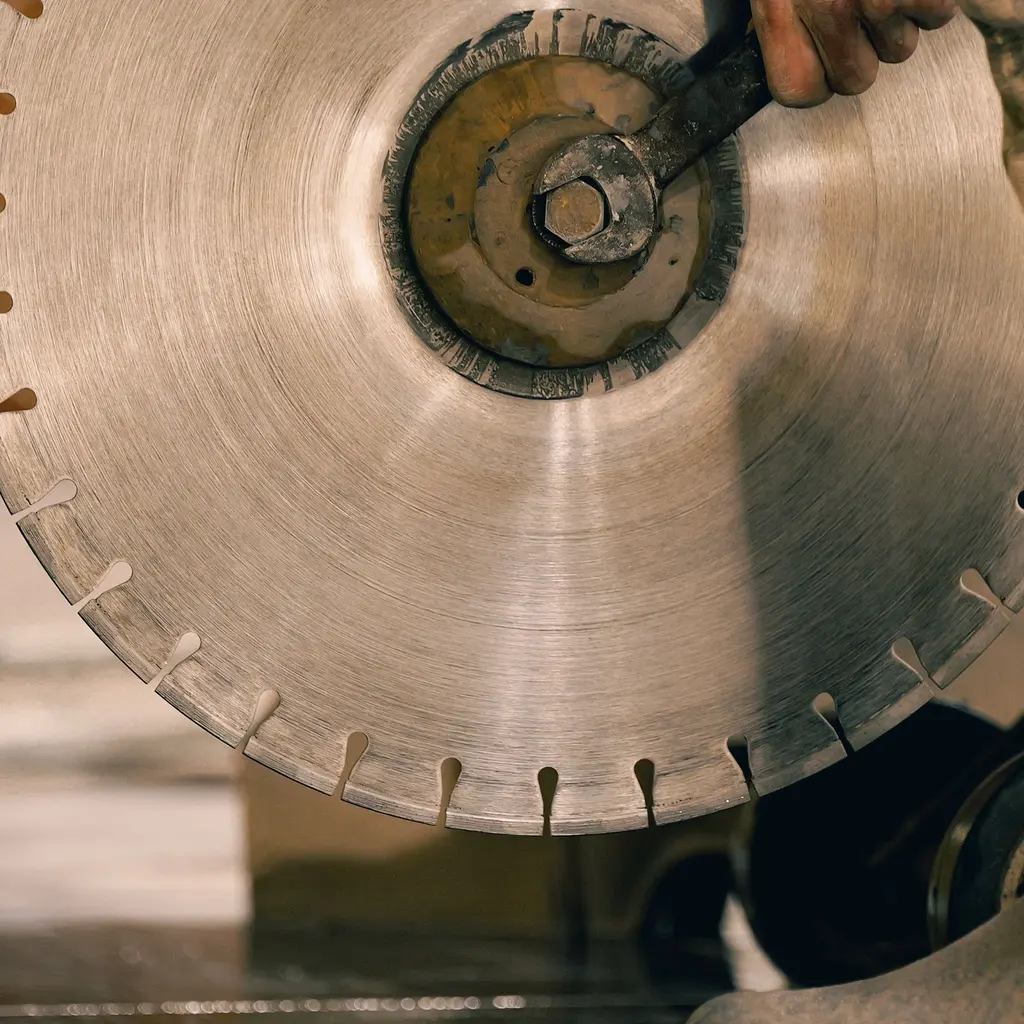
You cut slabs and walls or drill cores through concrete, masonry, and other hard materials. A blade can strike a hidden utility or damage a structure, and flying fragments or dust can injure your crew or people nearby.
The Southern Agency can review your materials, cutting methods, and structural responsibilities to help you select insurance. We can discuss liability for damage around a cut alongside equipment protection, while keeping the cost of correcting misplaced work separate.
High-speed saws can throw fragments or kick back, injuring operators or bystanders and damaging nearby finished work.
Dry cutting of concrete and masonry releases crystalline silica, creating health exposures and regulatory compliance concerns for crews.
Cutting blind into slabs or walls can sever buried electrical conduit, water lines, or gas piping, causing damage and injury.
An over-cut or misplaced saw line can weaken or damage a customer's slab, wall, or pavement that must be repaired.
Portable saws, core rigs, blades, and generators are valuable and easily stolen from unsecured sites or transit vehicles.
Wet-cutting slurry can create slip hazards and runoff that requires cleanup or triggers environmental concerns on site.
Operating heavy vibrating saws in awkward or elevated positions exposes crews to back, hand, and repetitive-motion injuries.
Policies to ask about. Which ones fit depends on your operations, your contracts, and the carrier’s forms.
These hypothetical examples are not agency claim results. Whether a loss is covered depends on the facts, policy terms, and applicable exclusions.
Hypothetical: a crew sawing a block wall cuts hidden electrical conduit, causing damage and a service outage. GL may address covered resulting injury, property damage or loss of use under actual cutting and work-property terms. Preserve scanning, markings and approvals and separate the damaged line, work on the host wall and any resulting harm from misplaced-cut correction and downstream financial demands. Not every outage bill is insured.
Hypothetical: a core rig and diamond blades are stolen overnight from a job site. Inland marine may cover insured items, subject to values, deductible, valuation, and site and transport security conditions. Confirm rented equipment and accessories rather than assume every item at the site is included.
Hypothetical: a worker alleges respiratory harm tied to silica from dry cutting. Workers' compensation may provide qualifying injury or occupational-disease benefits under applicable law. Identify the actual employer, exposure periods and applicable obligations. Third-party dust or contamination claims raise separate GL and pollution questions; an environmental policy does not automatically insure employee illness or accept silica.
Start with the work you do and the questions your current policies leave unanswered. Carrier options depend on your location, risk, and underwriting. Explore our approach.
Many contracts request liability, workers' compensation, excess limits, and ongoing and completed-operations additional-insured rights. Compare actual requests with issued endorsements and accepted structural and cutting duties before mobilizing. A certificate or higher limit does not add missing rights or establish that every requested term is met or available.
Review actual GL and pollution terms for silica acceptance, third-party injury, contamination, and cleanup. Environmental terms may address covered claims if the operation and contaminant are included; the policy name does not establish acceptance. Qualifying employee illness is a separate workers' compensation question under applicable law and exposure periods, not automatically an environmental claim.
Inland marine coverage may cover portable cutting equipment at job sites and in transit against theft or damage, subject to scheduled values and policy terms.
GL may address covered resulting injury, property damage or loss of use under actual cutting and work-property terms. Separate damage to the line or host structure from misplaced-cut correction and downstream financial demands. Preserve scanning, markings and authorizations; a hidden line does not establish payment for every outage cost.
Describe actual water and slurry collection, runoff, transport and disposal. GL may address covered resulting water damage, while pollution terms may address covered liability or cleanup if the operation and contaminant are included. Compare both sets of terms rather than assign every wet-cutting loss to pollution or assume collection and disposal duties are insured cleanup.
Provide materials and wet and dry methods, crew size and payroll, equipment values, vehicle numbers and types, subcontracted duties, actual contract requirements, claims and safety records. Eligibility and price depend on the submission and insurer, not a standard cutting package.
Bring your questions, current policies, and relevant contracts. An agent can review coverage terms, exclusions, and the information carriers ask for, then explain the options available to you.