

Underground utility strikes
Boring near unmarked or mislocated gas, electric, water, or fiber lines can trigger explosions, service outages, and costly third-party damage claims.
Try a different word, or check the spelling.
Your crew and the bore can both depend on one working mud pump or hydraulic system. Machinery protection needs to be considered separately from the cost of redrilling or keeping a delayed job moving.
The Southern Agency can help you balance your drilling equipment needs and professional advisory risks with appropriate coverage.
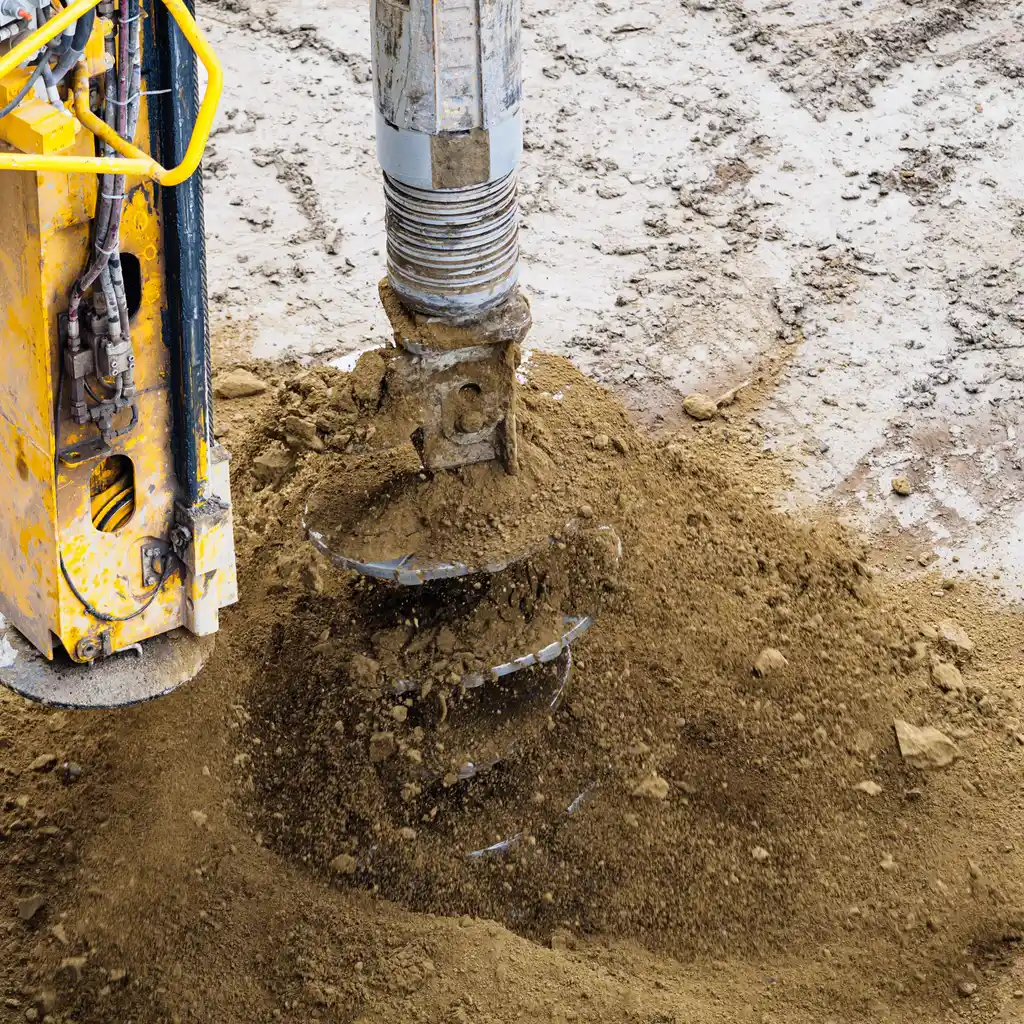
You bring rigs, pumps and tooling onto ground where buried services, changing soils and groundwater can affect the bore. A strike or fluid release can harm nearby property. If you also provide sampling, testing or design advice, those duties need attention beyond simply drilling the hole.
The Southern Agency can review your methods and any advisory duties alongside the rigs and tools you own or hire. We can compare liability and pollution terms with eligible equipment repairs, keeping redrilling, stuck-tool recovery and delay costs separate rather than treating one policy as protection for the whole job.
Boring near unmarked or mislocated gas, electric, water, or fiber lines can trigger explosions, service outages, and costly third-party damage claims.
Bentonite muds, lubricants, and cuttings can migrate into soil or aquifers, creating pollution liability that standard liability policies often exclude.
Truck-mounted rigs, mud pumps, and drill strings are high-value assets exposed to theft, overturn, and transit damage as they move between job sites.
A hole that wanders or caves can undermine foundations, settle adjacent structures, or require costly redrilling and remediation.
Augers, drill rods, and high-pressure systems expose operators to entanglement, pinch-point, and crush injuries during setup and drilling.
Dry drilling and cuttings handling can generate respirable crystalline silica, raising long-term health and OSHA compliance concerns.
A failed mud pump, hydraulic system, or rig engine can idle an entire crew mid-bore and delay contracted milestones.
Policies to ask about. Which ones fit depends on your operations, your contracts, and the carrier’s forms.
These hypothetical examples are not agency claim results. Whether a loss is covered depends on the facts, policy terms, and applicable exclusions.
Hypothetical: a bore strikes an unmarked gas service and forces evacuation and repairs. GL may address covered resulting injury or property damage under accepted drilling and underground terms. Preserve locating and authorization records; separate line repair, actual loss of use, financial outage demands and any release. Unmarked status does not decide fault or payment of every emergency cost.
Hypothetical: drilling mud surfaces and moves toward a waterway, prompting a cleanup order. Pollution terms may address covered liability or cleanup if the actual fluid, release, operation, site and obligation are included. Preserve application and response records and check notice terms; preventive controls, normal disposal and penalties do not automatically become insured remediation.
Hypothetical: a truck-mounted rig tips while repositioning and is damaged. Equipment or auto physical-damage terms may address covered repair if the rig, interest and cause are insured. Review chassis, mounted machinery, ownership, schedules and positioning stage together; road versus site location alone does not assign coverage or establish recovery and replacement-hire costs.
Start with the work you do and the questions your current policies leave unanswered. Carrier options depend on your location, risk, and underwriting. Explore our approach.
Discuss liability for resulting harm, employee benefits, mobile rigs and tools, vehicles, actual pollution needs and excess limits together. Describe methods, depths, downhole interests, advice and testing duties. Eligibility and limits depend on actual operations, employers, contracts, and underwriting, not a standard package for every driller.
GL may address covered resulting injury, property damage or loss of use if actual underground and drilling operations are included. Separate utility damage and any resulting harm from financial outage demands, bore correction, and pollution allegations. Locate records and authorization matter, but an unmarked line does not by itself prove coverage or eliminate responsibility.
Environmental terms may address covered liability or cleanup from included fluid, cuttings, or groundwater operations. Describe actual materials and transport and disposal duties and compare accepted contaminants, sites, and reporting with GL restrictions. A policy name does not prove coverage for every fluid migration, preventive control, or permit obligation.
Separate chassis, mounted machinery and loose tools/pumps, including hired and rented items. Compare actual auto and equipment definitions/schedules through travel, positioning, and operation. Do not assume every truck-mounted rig has a clean road-auto/site-inland split.
Check the actual bid, drilling agreement and applicable public-work rules for the bond type, timing, and obligee. A bond may support specified performance or payment obligations; it is not insurance for every collapsed bore, stuck tool or delayed milestone. Surety approval and capacity require separate review of the project, financials, and experience, and indemnity may require contractor reimbursement. This guide does not establish a bond requirement for every public or larger private bore or that a particular bond can be arranged.
Breakdown terms may help with covered repairs if the specific mobile rig and failed component or cause qualify. Check eligibility, schedules and restrictions before counting on payment. Wear, maintenance, stuck tooling and a collapsed bore differ from insured internal failure. Lost revenue, idle crews, redrilling, replacement hire, and delay penalties each need separate terms; none follows automatically from an insured repair.
Bring your questions, current policies, and relevant contracts. An agent can review coverage terms, exclusions, and the information carriers ask for, then explain the options available to you.