

Alleged system failure
A customer may claim a burglary, fire, or intrusion loss resulted from a system that failed to detect or transmit an alarm.
Try a different word, or check the spelling.
Your installation can become a continuing monitoring relationship. The insurance conversation needs to cover what you promise to detect or report, as well as damage caused while fitting the devices.
The Southern Agency can help you separate installation accidents from design, programming, and monitoring claims.
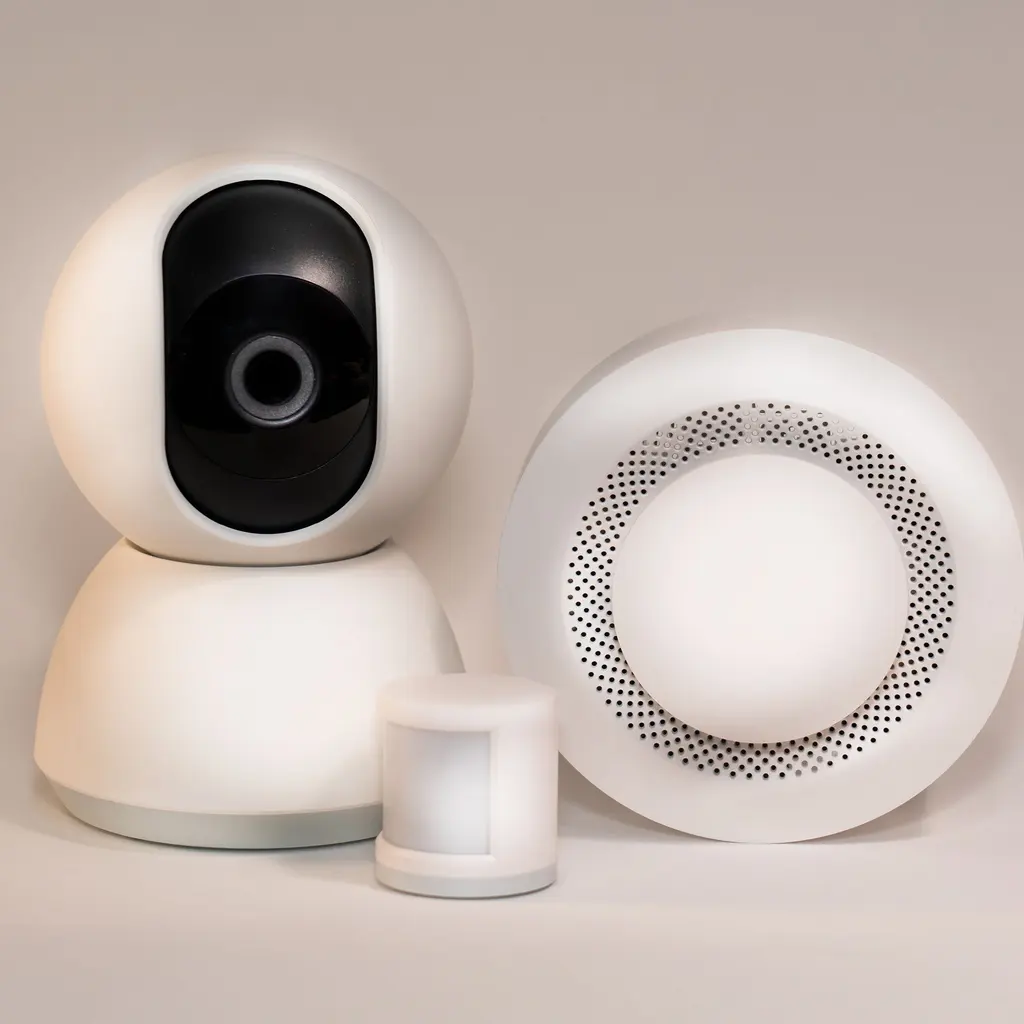
You install or service alarm systems and may also design, test or monitor them. A sensor alleged to have missed a burglary presents a different claim from wiring damaged during installation; fire and other life-safety work adds responsibilities that need to be described specifically.
The Southern Agency can review your actual services and monitoring agreements to help select appropriate insurance. We can compare professional claims about detection or reporting with installation liability, cyber protection for records and credentials, and separate vehicle and mobile-equipment interests.
A customer may claim a burglary, fire, or intrusion loss resulted from a system that failed to detect or transmit an alarm.
Miswired zones, false alarms, or misconfigured monitoring can lead to professional liability and rework claims.
Monitoring platforms, video feeds, and stored customer credentials create breach and privacy liability if compromised.
Drilling, fishing cable, and mounting devices in finished spaces can damage walls, ceilings, or wiring.
Technicians driving constantly between accounts create on-road liability and physical-damage exposure.
Panels, cameras, sensors, and tools transported in vans face theft and damage between jobs.
Repeated false alarms can lead to fines, customer disputes, or strained relationships with responding agencies.
Policies to ask about. Which ones fit depends on your operations, your contracts, and the carrier’s forms.
These hypothetical examples are not agency claim results. Whether a loss is covered depends on the facts, policy terms, and applicable exclusions.
Hypothetical: A customer alleges that an incorrectly programmed sensor failed during a break-in. E&O may address a covered claim if the programming service and alleged error fall within the insured scope. Review the customer contract, who monitored the account, and the policy's notice and claim requirements; the burglary itself does not establish liability or coverage.
Hypothetical: An attacker accesses customer credentials and video through the contractor's portal. Cyber coverage may address covered response expenses or privacy claims. The review needs to distinguish the contractor's system from an outside monitoring provider's system and apply the policy's covered-event and reporting terms.
Hypothetical: A technician strikes existing wiring while fishing cable through an office wall. General liability may address covered damage to other property. Damage to the portion being worked on, correction of the cable run, and any professional-services exclusion need separate review.
Start with the work you do and the questions your current policies leave unanswered. Carrier options depend on your location, risk, and underwriting. Explore our approach.
A claim that a programmed or monitored alarm failed needs review of professional-services coverage. General liability may address installation accidents but should not be assumed to cover every failure-to-signal allegation. Check the insured services and exclusions across both policies.
Review what you promised the customer and what the monitoring provider agreed to do. Disclose the arrangement to the insurer. Outsourcing does not, by itself, establish who is liable or how your E&O and cyber policies respond.
Inland marine or installation coverage may address covered loss in vehicles, transit, or at sites. Confirm the categories of equipment and stock included, maximum values, theft conditions, and deductibles. Auto insurance alone does not confirm coverage for van contents.
Have counsel review the clause for your contracts and jurisdiction. It does not change your insurance policy. Ask the agent to compare the agreement's obligations with available coverage without assuming either will absorb every customer demand.
Tell the insurer before taking it on. Design, installation, inspection, and monitoring of life-safety systems need to be described accurately. Eligibility, policy scope, and licensing requirements must be checked for the actual work and location.
Provide your system mix, installation and monitoring arrangements, payroll, subcontractor use, customer data handled, vehicles, equipment, and claims history. Include contract samples. Compare insured services, exclusions, deductibles, and reporting terms alongside the premium.
Bring your questions, current policies, and relevant contracts. An agent can review coverage terms, exclusions, and the information carriers ask for, then explain the options available to you.