

Alarm system failure claims
If an installed or monitored system fails to detect or signal an intrusion, customers may allege the contractor's work or service caused their loss.
Try a different word, or check the spelling.
The access codes you hold can matter as much as the panels you install. Privacy and professional-liability protection need to reflect your actual programming and monitoring responsibilities.
The Southern Agency can help you align your alarm installation and service work with necessary professional, cyber, and liability insurance.
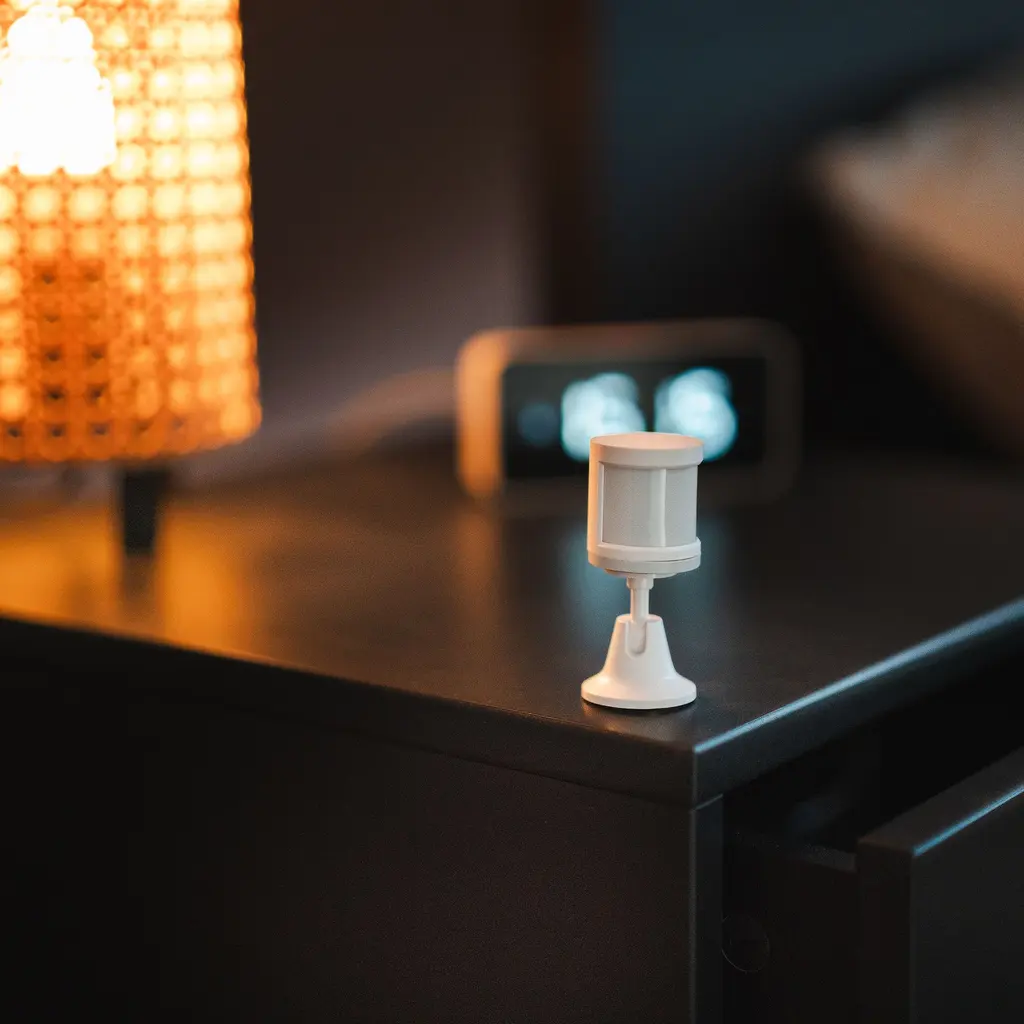
You design, install and service intrusion detection systems, running low-voltage wiring and mounting sensors, control panels and cameras. Because your customers rely on these systems for protection, an installation or service error can lead to a claim if the system fails to signal a break-in.
The Southern Agency can review your installation, monitoring, and data-handling practices to help select appropriate insurance. For example, we can discuss how your policy covers privacy and data-breach risks if you handle client security codes, alongside your professional liability for system-performance allegations.
If an installed or monitored system fails to detect or signal an intrusion, customers may allege the contractor's work or service caused their loss.
Drilling, cable runs, and panel mounting in occupied buildings can damage walls, finishes, or existing wiring.
Mounting cameras and sensors at height exposes technicians to falls, while pulling cable through tight spaces invites strains and cuts.
Alarm codes, floor plans, and monitoring records are attractive to attackers, creating breach and privacy liability.
Programmers, meters, control panels, and power tools moving between jobs are exposed to theft and damage.
Vans and trucks traveling to installs and service calls create auto liability and physical damage exposure.
Licensing, registration or bond obligations can depend on the location and services performed. An installer, monitoring provider and fire-system contractor may face different requests; check your actual work before accepting an account.
Policies to ask about. Which ones fit depends on your operations, your contracts, and the carrier’s forms.
These hypothetical examples are not agency claim results. Whether a loss is covered depends on the facts, policy terms, and applicable exclusions.
Hypothetical: a customer reports a burglary and alleges an installed door sensor never triggered. Professional liability may address covered defense or liability if the alleged service error fits. Preserve programming, testing and monitoring records and review customer promises, responsible providers and reporting terms; the burglary alone does not establish contractor liability.
Hypothetical: while routing cable, a technician damages drywall and a built-in cabinet. General liability may address covered damage to other property. Identify what the technician was working on or controlling; repairing that part, the contractor's installation and accidentally damaged surrounding property can receive different treatment.
Hypothetical: panel programmers and meters are stolen from a parked service van overnight. Inland marine may address insured tools under the applicable theft, unattended-vehicle, valuation and limit terms. Panels awaiting installation and the van itself are separate interests, not automatically included with those programmers.
Start with the work you do and the questions your current policies leave unanswered. Carrier options depend on your location, risk, and underwriting. Explore our approach.
Customers may allege an installed or monitored system failed to perform during a loss. Professional liability may respond to those claims, subject to policy terms and underwriting.
General liability may address covered accidental damage to another party's property, but identify the part being worked on or controlled by your technician. A cabinet struck beside a cable run is not necessarily treated like the wall being drilled or correction of your own installation. Compare actual work and property restrictions.
If you store alarm codes, floor plans, or monitoring data, that information is sensitive. Cyber coverage may help with breach response, depending on operations and policy terms.
Inland marine coverage may respond to theft of programmers, meters, and power tools that travel between jobs, subject to policy terms and scheduled limits.
Check the licensing authority and customer's actual request for your work location and services. If a bond is needed, obtain its form, obligee, amount and timing. Approval is separate from a license and liability insurance; a bond does not reimburse your own loss, and surety indemnity can require repayment.
Underwriters weigh your residential versus commercial mix, payroll, monitoring services, data handled, and claims history. Coverage availability depends on underwriting.
Bring your questions, current policies, and relevant contracts. An agent can review coverage terms, exclusions, and the information carriers ask for, then explain the options available to you.