

Water damage from leaks
A failed joint, fitting, or supply line can release water into finished floors, ceilings, and contents, often as a delayed loss.
Try a different word, or check the spelling.
A connection that leaks after you leave can damage several rooms before anyone notices. Review how your insurance treats the resulting water damage and the repair that caused it.
Call with your service and installation work, any gas or excavation jobs, and the vans and tools your crews use.
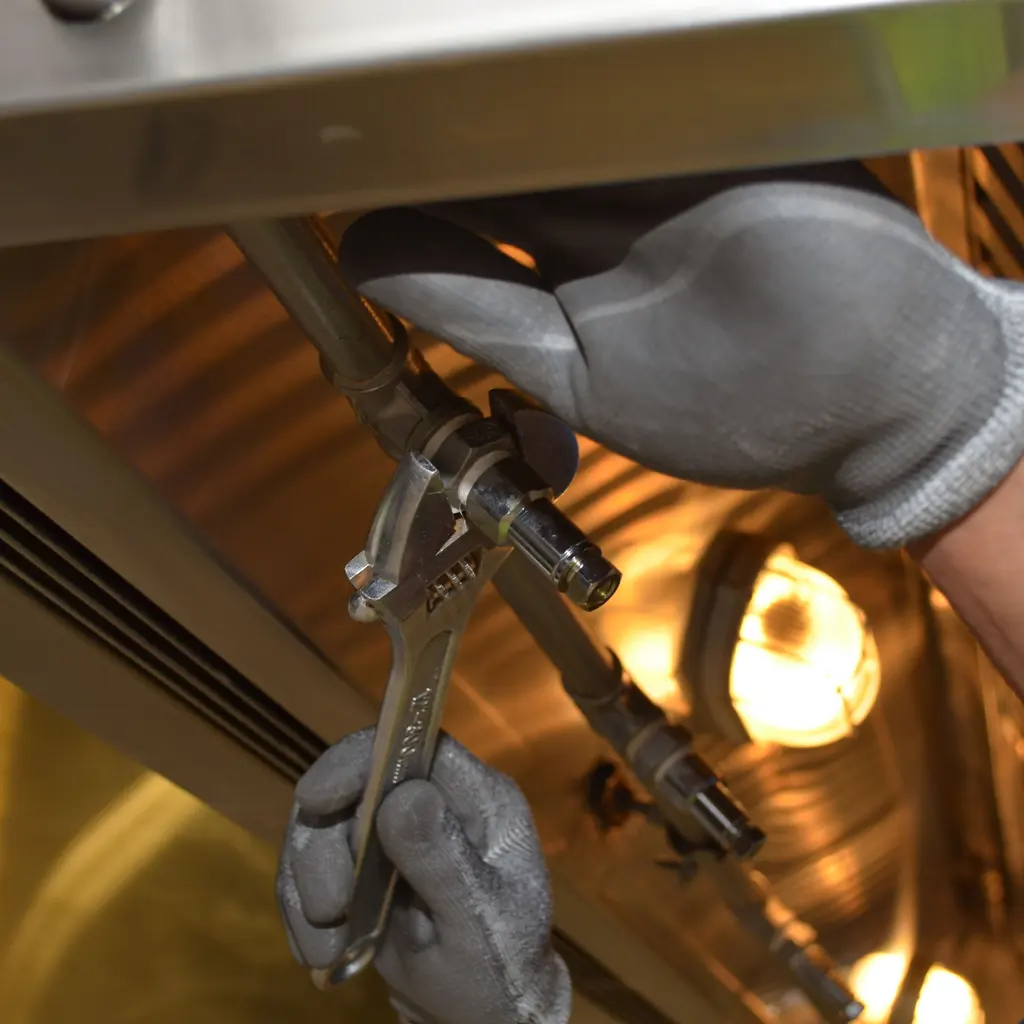
You install and repair plumbing systems in homes and businesses, where a single loose fitting or failed seal can lead to extensive water damage. Because you work in occupied buildings, your potential liability for property damage is significant.
The Southern Agency can review your service and installation mix, including any gas piping, trenching or torch work. We can help you compare liability for resulting water or fire damage with protection for your crew, service vans and specialized tools.
A failed joint, fitting, or supply line can release water into finished floors, ceilings, and contents, often as a delayed loss.
Sweating copper and torch work near framing and insulation can ignite a structure, sometimes inside concealed wall cavities.
Trenching and excavation for sewer and supply lines can damage underground gas, water, or electrical utilities.
Installing or servicing gas piping introduces leak and ignition exposure that can lead to serious injury or property damage.
Improper connections or fixtures can fail later, producing leak claims and rework alleging defective workmanship.
Jetters, drain cameras, threading machines, and power tools move between jobs and are exposed to theft and damage.
Service vans and trucks carrying technicians, fixtures, and equipment create on-road liability and physical-damage exposure.
Policies to ask about. Which ones fit depends on your operations, your contracts, and the carrier’s forms.
These hypothetical examples are not agency claim results. Whether a loss is covered depends on the facts, policy terms, and applicable exclusions.
A water-heater connection installed during a service call works loose and leaks overnight, soaking a finished basement and contents. The homeowner alleges property damage, and a policy may respond to a covered loss, subject to policy terms.
While sweating copper near framing, heat from the torch reaches concealed insulation and causes a fire inside the wall. The owner alleges damage, and coverage depends on the specific policy, endorsements, exclusions, and facts.
While trenching for a new sewer lateral, a crew strikes a buried gas line, prompting evacuation and repair costs. The utility and owner seek damages, and a liability policy may respond depending on policy terms and the facts.
Start with the work you do and the questions your current policies leave unanswered. Carrier options depend on your location, risk, and underwriting. Explore our approach.
General liability may help with resulting damage to floors, ceilings or contents after a covered leak. Repairing your faulty connection or replacing the fixture itself can be treated differently. Keep testing and completion records, and check water-damage exclusions and completed-operations terms before relying on the policy.
Tell the agent how deep you dig, the methods used and whether another firm excavates for you. Check underground utility, collapse, explosion and pollution terms against those tasks. A utility locate helps explain precautions but does not establish coverage or settle responsibility for a strike.
Sweating copper introduces fire risk near framing and insulation. Underwriters ask about hot-work, so confirm how torch operations are treated; coverage depends on the specific policy, endorsements, and exclusions.
Describe gas installation, service, live connections and testing separately from water-line work. Check that the policy includes those operations, including completed-work claims and hot-work conditions. Trade credentials and disclosure alone do not create an endorsement or establish coverage.
Inland marine can help protect scheduled tools at jobs and in transit. Include owned and rented equipment, replacement values and overnight storage in the review. Van insurance does not automatically cover the equipment inside, and theft coverage is different from internal breakdown or wear.
Pricing commonly reflects payroll, work mix, excavation and gas exposure, hot-work, claims history, and the vehicles and equipment insured. A tailored quote reflects how your specific shop operates.
Bring your questions, current policies, and relevant contracts. An agent can review coverage terms, exclusions, and the information carriers ask for, then explain the options available to you.