

Work-zone struck-by incidents
Crews and flaggers work feet from live traffic, creating serious injury exposure when motorists enter or fail to slow for the work zone.
Try a different word, or check the spelling.
Your work zone moves as grading, drainage and paving progress. Insurance needs to follow the traffic-control and subcontracted duties you actually take on, not just list the road machinery.
The Southern Agency can help you review your site risks and contract requirements to choose appropriate insurance.
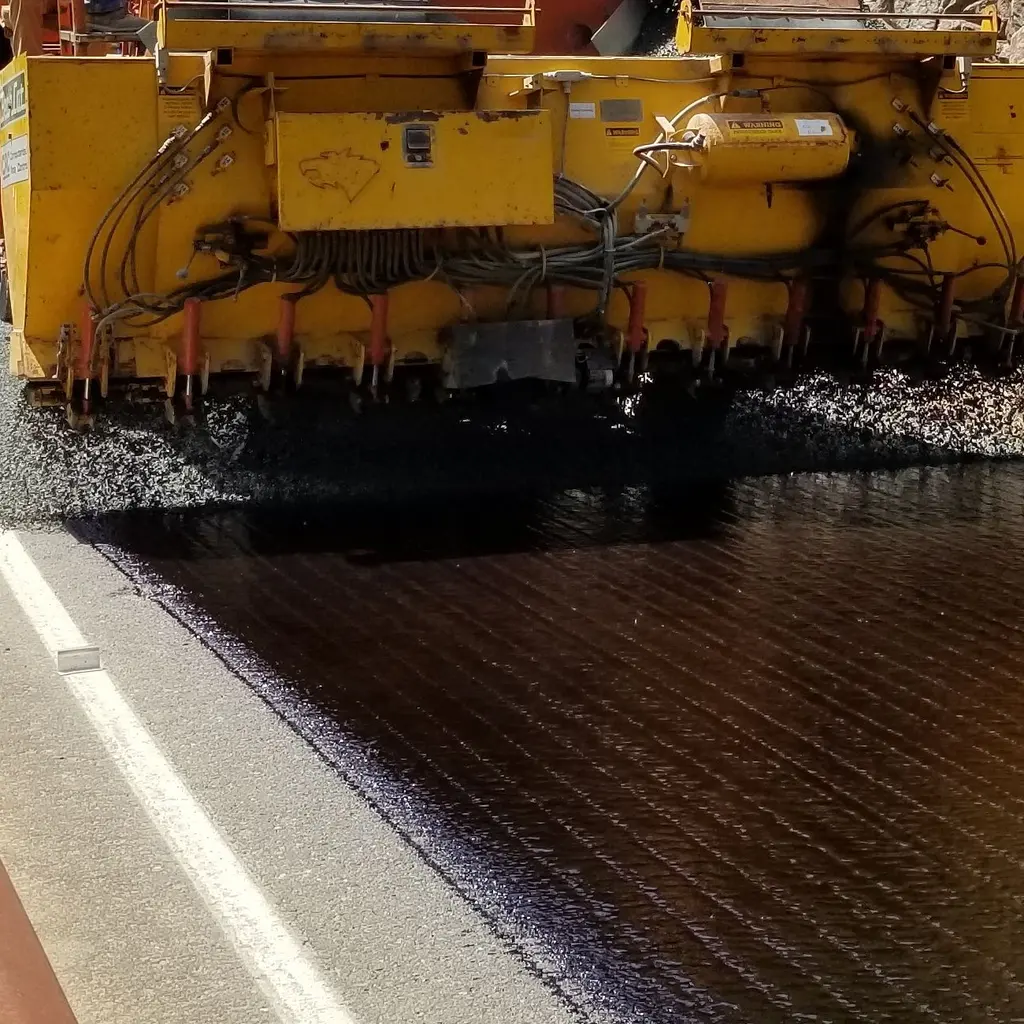
You perform road-infrastructure construction, including grading, paving, and drainage tasks under municipal or DOT contracts. These sites are dynamic environments involving heavy machinery, traffic movement, and complex scheduling.
The Southern Agency can review your subcontracted duties and traffic-control responsibilities to help you select appropriate insurance. For example, we can examine how to protect your mobile paving equipment while identifying the right liability coverage for your work within public roadways.
Crews and flaggers work feet from live traffic, creating serious injury exposure when motorists enter or fail to slow for the work zone.
Excavators, pavers, rollers, and haul trucks can roll over, strike workers, or damage property and adjacent infrastructure.
Excavation and grading can sever gas, power, water, or fiber lines, causing outages, third-party damage, and costly delays.
Public contracts may require performance and payment bonds and impose completion deadlines or liquidated damages. Review actual requirements; bonded work does not make every delay or default an insured accident.
Fuel storage, hot asphalt, and disturbed soil create the potential for spills, runoff, and pollution-related claims.
Idle or stolen machinery on remote corridors can halt a project and create significant repair or replacement costs.
Policies to ask about. Which ones fit depends on your operations, your contracts, and the carrier’s forms.
These hypothetical examples are not agency claim results. Whether a loss is covered depends on the facts, policy terms, and applicable exclusions.
Hypothetical: a motorist enters a closed lane and strikes equipment, injuring a worker. Workers' compensation may provide qualifying benefits under applicable law; equipment terms may address covered damage and liability terms covered third-party allegations. Identify employers, vehicles, machine owners and traffic duties separately rather than assume one combined work-zone limit.
Hypothetical: an excavator cuts fiber, causing a regional outage. GL may address covered third-party damage under actual underground terms. Preserve utility verification and incident records and separate physical repair, resulting loss of use and economic demands; an outage does not establish payment for every subscriber's lost business or your delay penalties.
Hypothetical: refueling releases diesel into a roadside ditch. Pollution terms may address covered cleanup or third-party liability if the material and operation are included. Review damage, reporting and disposal duties separately from normal controls, penalties and project delay; reaching a ditch does not make every resulting cost insured.
Start with the work you do and the questions your current policies leave unanswered. Carrier options depend on your location, risk, and underwriting. Explore our approach.
Check the actual public contract and applicable requirements. Performance bonds address bonded contract performance; payment bonds protect eligible unpaid suppliers/subcontractors, subject to their terms. They are not the contractor's accident insurance. Issuance and capacity depend on surety approval.
Describe actual traffic-control responsibilities, approvals, inspections, and field changes. Insurers review them, but a safety program or agency approval does not itself establish coverage, pricing, or acceptance.
General liability may respond to third-party damage from a severed line, depending on policy terms and exclusions. Underground exposures are reviewed carefully by underwriters.
Inland marine contractors equipment coverage commonly protects machinery in transit and staged on corridors. Limits and terms depend on the policy and equipment values.
Review the actual contract's limits, additional-insured and ongoing/completed requirements against actual endorsements and accepted operations. A certificate alone cannot create rights or cure a policy exclusion.
Environmental liability may respond to certain pollution events such as fuel releases or runoff. Coverage depends on the specific policy, endorsements, and the facts.
Bring your questions, current policies, and relevant contracts. An agent can review coverage terms, exclusions, and the information carriers ask for, then explain the options available to you.