

Motorist intrusion in roadway zones
Vehicles passing the site and equipment moving within the work zone can strike crews or flaggers and cause serious injury.
Try a different word, or check the spelling.
Your road crew and structural crew may work within the same project but handle different kinds of work in progress. Protection for culverts, spans, and temporary supports deserves attention alongside roadway liability.
The Southern Agency can help you navigate the combined liability and property risks of street and bridge construction projects.
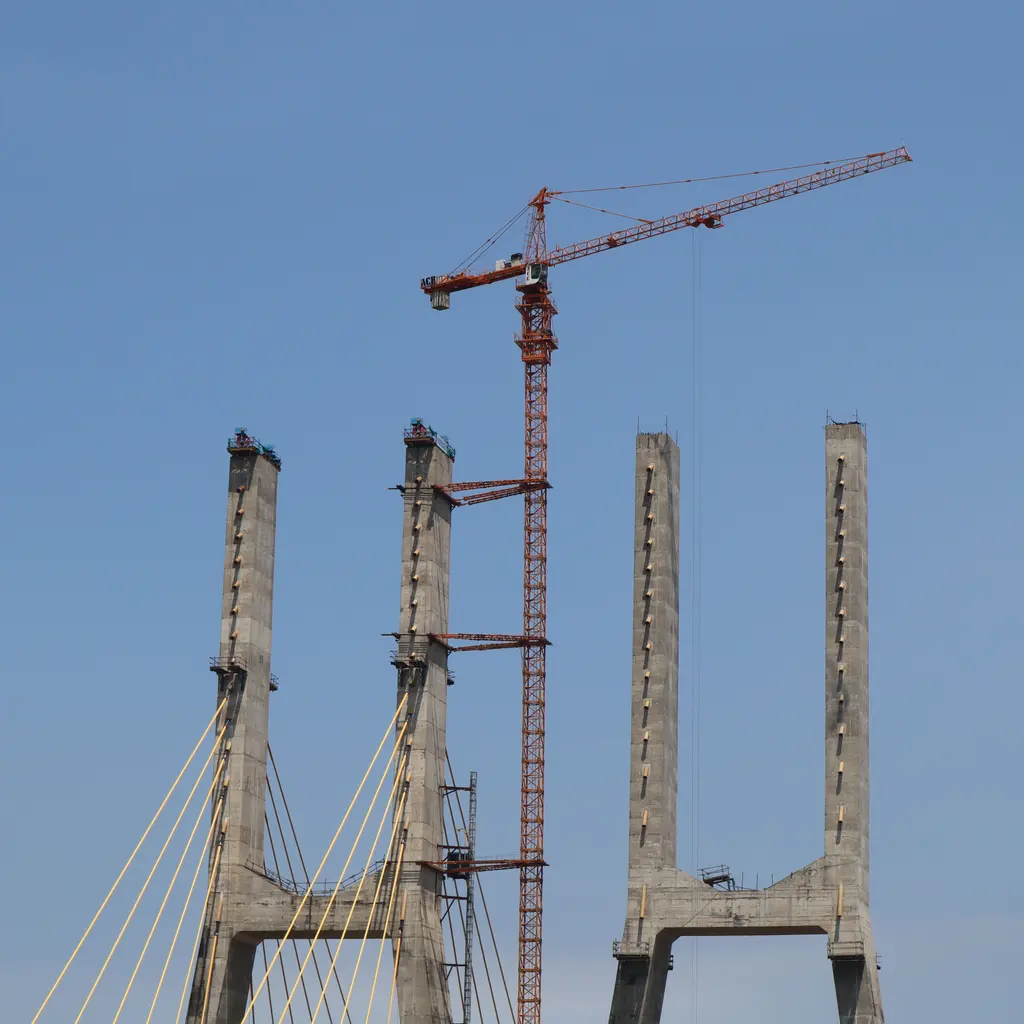
Your work combines roadway construction with structural elements like culverts and bridges, which means you manage complex site hazards including live traffic and crane lifts. A mistake during a beam set or a drainage failure could lead to costly claims or project delays.
The Southern Agency can review how you coordinate these different construction phases to help you select appropriate insurance. For example, we can discuss how builders risk insurance may cover culverts and bridge work while in progress, separate from the general liability needed for roadway operations.
Vehicles passing the site and equipment moving within the work zone can strike crews or flaggers and cause serious injury.
Forming abutments, setting beams and pouring decks create fall and dropped-load exposure alongside roadway operations; disclose the lifts and heights actually involved.
Temporary shoring for culverts, walls, and short spans can fail, causing collapse and injury before the structure is complete.
Overpasses, walls, and bridge spans can be damaged by storm, flood, or accident before completion and acceptance.
Street and culvert excavation can strike buried utilities or disturb drainage, causing third-party damage and pollution exposure.
Pavers, excavators, and cranes used across road and structure work are valuable and exposed to damage and theft.
Failed roadway or structural acceptance tests can prompt correction or delay demands. Those contractual obligations are separate from injury or resulting damage and are not automatically insured because the project is bonded.
Policies to ask about. Which ones fit depends on your operations, your contracts, and the carrier’s forms.
These hypothetical examples are not agency claim results. Whether a loss is covered depends on the facts, policy terms, and applicable exclusions.
A beam shifts during placement on an overpass and damages roadway equipment below, injuring a worker. Identify the equipment owner and the worker’s employer. Liability may address covered damage to others; worker benefits and damage to the beam, crane, or contractor-owned equipment need separate review.
Shoring for a box culvert fails during a pour and the work collapses overnight. A builders risk policy may respond to covered damage, subject to policy terms and exclusions.
A motorist enters the active street work zone and strikes equipment and a crew member. Workers' compensation may provide benefits if actual employment and applicable law qualify; equipment terms may address covered damage. Identify employers, equipment owners, and traffic-control duties and review any third-party liability allegation separately. A crew title alone does not establish employment, fault or one combined response.
Start with the work you do and the questions your current policies leave unanswered. Carrier options depend on your location, risk, and underwriting. Explore our approach.
A combined project needs review of both roadway and structural responsibilities, including subcontracted work. Describe traffic control, lifts, falsework and drainage rather than assuming a paving or bridge label includes every operation.
Small size does not eliminate the property exposure. Identify who insures the culvert, wall or span, its value and any temporary supports. Check covered causes, flood and collapse provisions and ending events; owner acceptance is not necessarily the only point at which protection can end.
Separate employee injury benefits from liability to motorists or other parties and damage to your own equipment. Passing traffic and construction equipment can both cause injury. Fault, the injured person’s status and the policies determine which coverage may respond.
Contractors equipment, written as inland marine, may help with damage or theft to pavers, excavators, and cranes. Coverage depends on the limits you select and policy terms.
Check the actual municipal or owner contract and the named obligee. Performance and payment bonds serve different obligations and need approval; neither automatically pays every accident, failed test or delay charge.
Provide revenue, the road-to-structure mix, self-performed lifts and decks, fleet values, live-traffic work, payroll and claims. Any bonds have separate approval and charges; do not assume they are part of the liability premium.
Bring your questions, current policies, and relevant contracts. An agent can review coverage terms, exclusions, and the information carriers ask for, then explain the options available to you.