

Motorist intrusion into work zones
Live-traffic paving exposes flaggers, crews, and equipment to vehicles entering the work zone, with potentially severe injury and damage.
Try a different word, or check the spelling.
Your finished section may still need to pass density or smoothness testing. Insurance for injury or damage elsewhere should not be confused with the cost of grinding or replacing work that misses acceptance.
The Southern Agency can help you align your paving operations and traffic-management duties with appropriate insurance coverage.
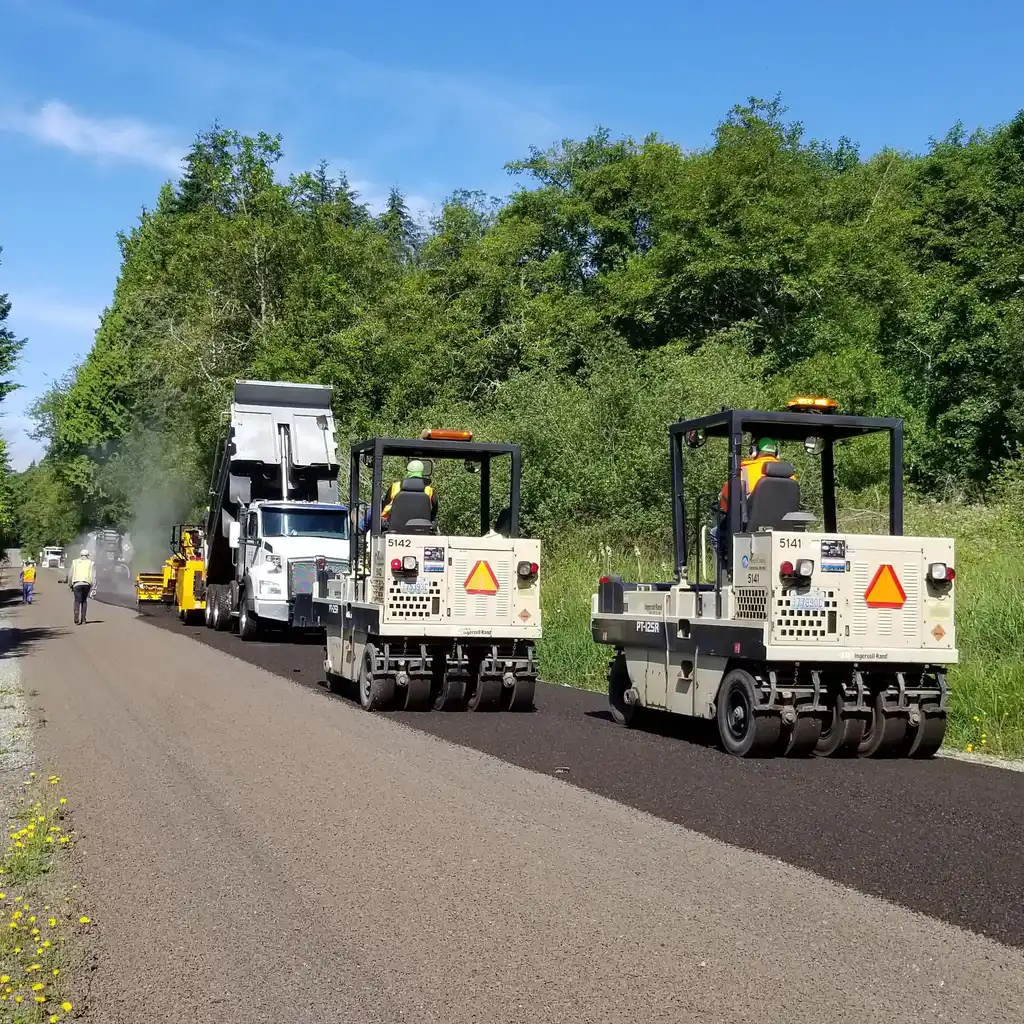
You pave streets, highways and parking lots by milling, grading and laying asphalt using a fleet of rollers, pavers, and haul trucks. A traffic accident, equipment failure or a paving defect in a public or private project can delay your schedule and lead to significant claims.
The Southern Agency can review your specific paving activities, including subcontracted work and traffic-management responsibilities, to help select the right insurance. For example, we can examine how your coverage handles worker injury risks while operating near live traffic versus potential cleanup costs if a fuel or tack-coat spill occurs.
Live-traffic paving exposes flaggers, crews, and equipment to vehicles entering the work zone, with potentially severe injury and damage.
Paving trains, rollers, and haul trucks maneuver in tight zones, creating run-over and struck-by exposure for ground crews.
Hot mix and tack coat cause burns and fumes for workers and create spill and pollution exposure on and off the roadway.
Trucks shuttling hot mix between plant and site add frequency of on-road collisions and cargo exposure.
Sections failing smoothness or density testing can require grinding or replacement; acceptance/correction demands are distinct from injury or resulting damage to other property.
Pavers, mills, and rollers represent significant value exposed to damage, theft, and overturn at the job site.
Weather and breakdowns on bonded public contracts can trigger liquidated damages and schedule penalties.
Policies to ask about. Which ones fit depends on your operations, your contracts, and the carrier’s forms.
These hypothetical examples are not agency claim results. Whether a loss is covered depends on the facts, policy terms, and applicable exclusions.
A motorist drives past traffic control and strikes a crew member in the work zone. Workers' compensation may provide benefits if the person's employment and applicable law qualify. Review any third-party allegation and actual traffic-control duties separately; a motorist's involvement does not automatically make the crew injury a GL claim.
Hypothetical: a loaded hot-mix truck collides with another vehicle and causes injury and damage. Auto may address covered liability under actual vehicle, driver and hauling terms. Truck physical damage, lost mix and release/cleanup duties need separate terms; insuring the truck does not establish all three.
A completed section fails density acceptance and must be milled and repaved. This establishes correction work, not by itself covered injury or resulting damage. Review actual acceptance and warranty obligations; any separate resulting harm needs its own policy review. A completed section is not automatically an insured completed-operations claim.
Start with the work you do and the questions your current policies leave unanswered. Carrier options depend on your location, risk, and underwriting. Explore our approach.
Auto terms may address covered vehicle liability or selected physical damage for insured haul trucks carrying hot mix between plant and site. Review drivers, mileage, owned and hired use and loading provisions; the load is a separate cargo interest. Required limits and accepted use depend on actual operations and forms.
Workers' compensation may provide qualifying employee benefits under applicable law, while liability terms may address covered harm to motorists or other parties. Establish actual employers, status, vehicles, traffic-control duties, and incident facts. Own equipment damage is separate, and higher liability limits neither substitute for worker benefits nor establish fault.
Environmental terms may address covered cleanup or third-party liability if the actual fuel, tack-coat or asphalt operation and release are included. Review sites, hauling, prior conditions, and reporting alongside GL and cargo terms. Load loss, other-property damage, and cleanup differ; a policy does not automatically accept every substance, compliance cost, fine, or pre-existing condition.
Grinding/repaving to meet smoothness or density acceptance is not automatically a covered completed-operations loss. Determine whether there was actual injury or resulting damage beyond correction, the relevant dates, and applicable exclusions. Do not assume such damage merely because a section failed testing.
Public contracts commonly require performance and payment bonds. Surety capacity depends on your financials and underwriting.
Pricing commonly reflects revenue, haul fleet, equipment values, work-zone exposure, bonding, payroll, and claims history. A tailored quote reflects how your company operates.
Bring your questions, current policies, and relevant contracts. An agent can review coverage terms, exclusions, and the information carriers ask for, then explain the options available to you.