

Falls from roofs and elevated work
Crews working on sloped or flat roofs and elevated wall systems face serious falls. Heights, access equipment and who provides edge or public protection matter to the actual work.
Try a different word, or check the spelling.
You may form panels on site and leave a partly finished roof between visits. Property protection for the stock and machines needs to be coordinated with liability for the installed system.
The Southern Agency can help you navigate the unique fall, wind, and completed-operations risks of your trade.
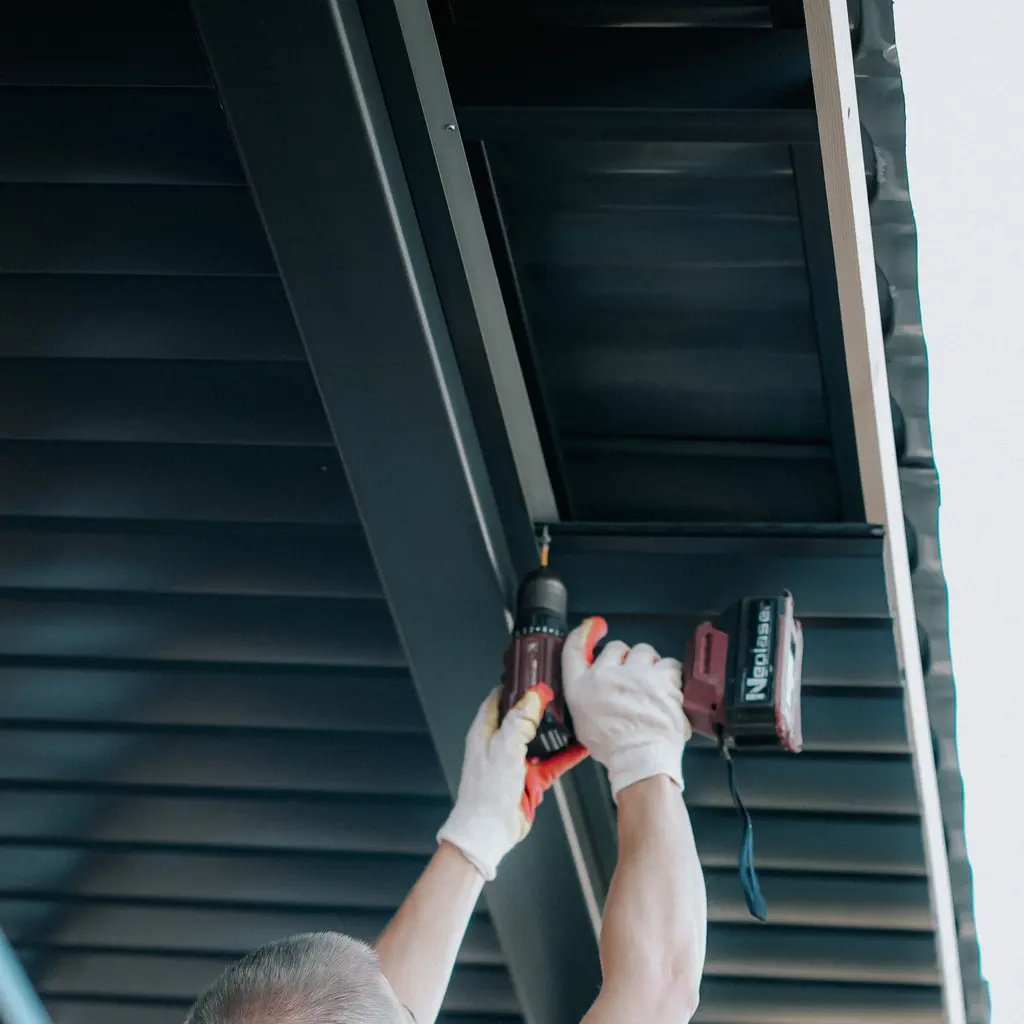
You install metal roofing and cladding systems, often working at great heights with wind-catching panels. A leak or a panel dislodged by wind can lead to interior water damage and significant liability claims long after the job is finished.
The Southern Agency can help you review your installation and hoisting processes to select appropriate insurance. We can discuss how to protect your roll-formers and expensive panel stock.
Crews working on sloped or flat roofs and elevated wall systems face serious falls. Heights, access equipment and who provides edge or public protection matter to the actual work.
Long metal panels can catch wind during installation, injuring workers or being blown off the building onto people or property.
A roof or cladding system that leaks can cause interior water damage, mold, and business interruption for the building owner.
Improperly fastened panels can lift or detach in high wind, leading to property damage and completed-operations claims.
Sharp panel edges, fasteners, and any hot work create cut and fire hazards for crews and the structure.
Coated panels, roll-formers, seamers, and lifts can be damaged by wind, stolen, or harmed in transit on open sites.
Policies to ask about. Which ones fit depends on your operations, your contracts, and the carrier’s forms.
Ready to compare options?
Get a quote for Metal Cladding and Roofing Contractor Or call 1-800-777-1TSAThese hypothetical examples are not agency claim results. Whether a loss is covered depends on the facts, policy terms, and applicable exclusions.
Hypothetical: a finished roof leaks and damages ceilings and stock below. Liability terms may address covered resulting harm under accepted roofing, completed-work and water terms. Preserve seam, flashing, testing and damage dates; panel repair, fungi allegations, lost income and a weather-tightness promise are separate questions.
Hypothetical: wind lifts an unsecured panel into a parked vehicle. GL may address covered resulting third-party damage under accepted installation operations. Record fastening stage, wind and handling duties; the car's damage differs from the contractor's panel or lift loss and any crew injury.
Hypothetical: a worker falls while seaming a sloped roof. Workers' compensation may provide qualifying medical and wage benefits under applicable law. Identify employer, work state and height/slope duties; insurance review does not approve access arrangements or replace fall protection.
Start with the work you do and the questions your current policies leave unanswered. Carrier options depend on your location, risk, and underwriting. Explore our approach.
Review actual accepted systems, roofing/water/mold and completed-work terms, work/damage dates, and resulting harm. Interior damage, panel replacement, reseaming, weather-tightness warranties, and the owner's lost-income demand are different issues, not one automatic completed-operations payment.
Wind can injure crews handling panels, blow panels off buildings, and uplift finished systems. These exposures shape underwriting, and coverage depends on the specific policy and facts.
List actual owned/hired machines, values, rental responsibilities, and transit/site use. Review theft/wind and mechanical failure separately; machine scheduling does not insure all coated-panel stock, customer installation work or wear.
Provide actual heights/slopes, roof/wall tasks, and fall/public-protection records. Controls inform risk review but do not establish a quoted saving, accepted height or safe-work approval.
Check who must arrange project-property protection, what materials, work and existing building are included and when coverage ends. Covered wind, fire or theft loss depends on actual perils and stages. Re-roofing an occupied building raises open-roof rain and existing-property questions; do not assume a new-work limit covers the whole structure or every delay.
Compare actual employee, public, uplift, and interior-damage interests with accepted underlying and excess terms and contracts. Higher limits do not add omitted roofing systems or remove water/mold/work exclusions.
Bring your questions, current policies, and relevant contracts. An agent can review coverage terms, exclusions, and the information carriers ask for, then explain the options available to you.