

Falls and work at height
Crews working on piers, girders, and decks above ground or water face severe fall exposure.
Try a different word, or check the spelling.
You have to support the span before it can support traffic. Your project coverage needs to consider temporary falsework, while engineering allegations need their own liability review.
The Southern Agency can help you manage the complex risks of bridge construction through appropriate insurance and bonding programs.
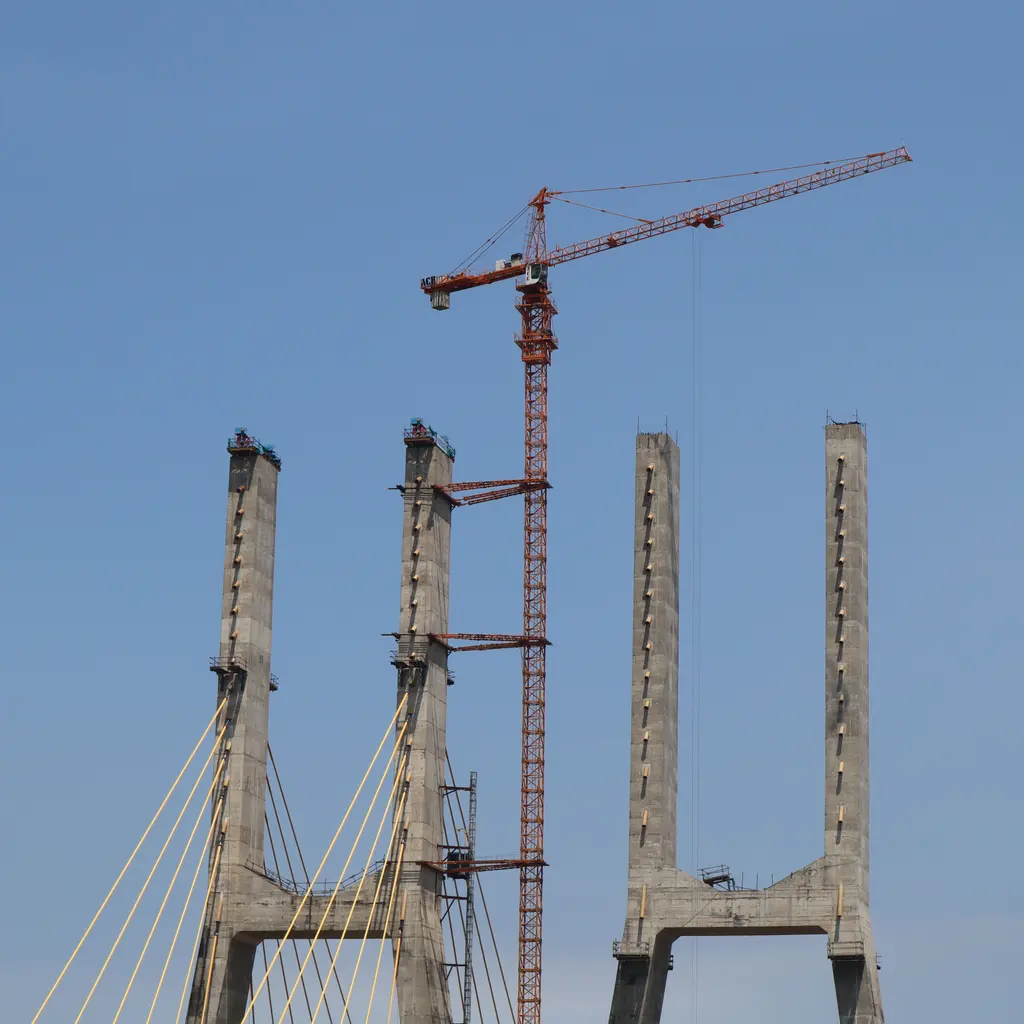
You build and rehabilitate bridge spans, using cranes to set girders and pouring concrete for decks and piers. This high-stakes work involves lifting heavy members, building temporary falsework, and operating over navigable channels or busy roadways.
The Southern Agency can review your construction methods, including your use of cranes and temporary supports, to help select appropriate insurance. We can discuss how to protect the unfinished bridge during construction and how to separate engineering allegations from your day-to-day liability and worker injury risks.
Crews working on piers, girders, and decks above ground or water face severe fall exposure.
Setting steel or precast girders relies on cranes, where a dropped load or tip-over can injure workers and the public and damage the structure.
Temporary falsework supporting wet concrete or girders can fail, causing collapse, injury, and major property loss before the structure is complete.
Cofferdams, pile driving and over-water staging create drowning, marine and equipment-loss exposure. Describe actual shore and afloat duties rather than decide worker or vessel coverage by location alone.
Keeping roadways or navigable channels open during construction exposes the firm to vehicle, vessel, and pedestrian claims.
Means-and-methods or staged-erection assumptions that prove wrong can lead to structural distress and professional claims.
Storms, floods, or accidents can damage piers, girders, and decks before completion and acceptance by the owner.
Policies to ask about. Which ones fit depends on your operations, your contracts, and the carrier’s forms.
These hypothetical examples are not agency claim results. Whether a loss is covered depends on the facts, policy terms, and applicable exclusions.
Hypothetical: a girder swings during placement and strikes equipment below, injuring a worker and damaging a pier. Workers' compensation may provide benefits if employment and applicable law qualify; liability terms may address covered damage to others. Identify employers and owners of equipment and project property. Equipment loss and damage to the bridge work require separate review, not one assumed liability payment.
Hypothetical: temporary shoring fails and a partially built deck collapses overnight. Builders risk may address covered damage to insured work in progress. Confirm temporary works and bridge interests, collapse cause and faulty-work provisions; replacing deficient shoring and repairing resulting project damage are not automatically the same covered expense.
Hypothetical: after distress appears in a span, an owner alleges the firm's engineered erection sequence was flawed and demands rework. Professional liability may address a covered error in an insured service. Review who supplied the calculations and separate negligent-service allegations from performance guarantees and costs to redo the firm's work; payment is not automatic.
Start with the work you do and the questions your current policies leave unanswered. Carrier options depend on your location, risk, and underwriting. Explore our approach.
Builders risk may help with covered damage to insured bridge work in progress. Identify piers, girders, decks, temporary works, values and responsible parties and review selected collapse, flood and storm terms. Use, completion or expiry may end protection before owner acceptance; neither the bridge label nor the contract's allocation establishes every peril or correction cost is insured.
Working over or in water adds marine and drowning exposure and may need specific terms. Coverage availability depends on underwriting, so disclose cofferdam and pile-driving operations.
If you engineer erection sequences or means and methods, a flawed assumption can be treated as a professional error. Professional liability may help, depending on your role and policy terms.
Contractors equipment, written as inland marine, may help with damage to cranes, pile drivers, and rigging. Coverage depends on the limits you select and the policy terms.
Check the actual public bid and contract, obligee and timing for bid, performance or payment requirements. Bonded performance and eligible supplier or subcontractor payment are different obligations, subject to approval and capacity review. A bond is not the contractor's accident insurance, and indemnity can require reimbursement to the surety.
Pricing commonly reflects revenue, span size, over-water work, crane values, payroll, bonding, and claims history. A tailored quote reflects how your firm operates.
Bring your questions, current policies, and relevant contracts. An agent can review coverage terms, exclusions, and the information carriers ask for, then explain the options available to you.