

Sediment and contaminant release
Dredging can resuspend bottom sediment and contaminants if present, raising turbidity, permitting and pollution-liability questions.
Try a different word, or check the spelling.
The sediment you lift still needs a destination after it leaves the waterway. Pollution responsibilities at disposal and protection for floating machinery need more than an ordinary equipment-policy review.
The Southern Agency can help you match your marine operations and contract requirements with appropriate coverage.
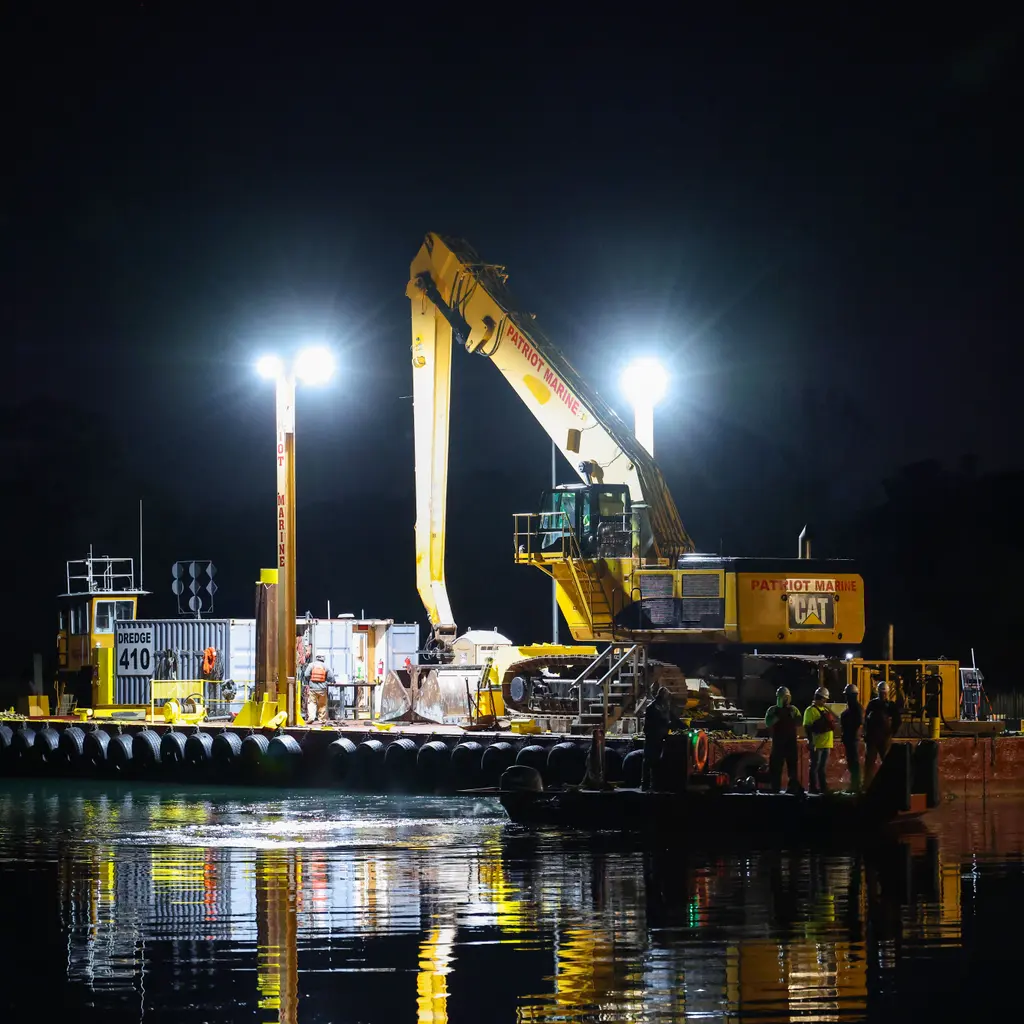
You operate dredges, barges, and pumps to maintain waterways, where shifting sediment and underwater contact create complex operational risks. You work in environments where fuel releases or equipment failure can cause significant damage or environmental concern.
The Southern Agency can review your specific equipment ownership, dredging methods, and site conditions to help you select appropriate coverage. For example, we can help you differentiate between physical damage to floating machinery and the liability considerations involved in managing sediment at disposal sites.
Dredging can resuspend bottom sediment and contaminants if present, raising turbidity, permitting and pollution-liability questions.
Dredges and barges carry fuel and hydraulic fluid that can spill into the water during operations, requiring cleanup.
Dredges, barges, pumps, and pipelines are large, costly, and difficult to recover if damaged, grounded, or sunk.
Crews working continuously on and around water face drowning, equipment, and confined-space injury exposures.
Dredging can strike underwater cables, pipelines, or structures, causing damage, outages, and third-party claims.
Storms and strong currents can damage staged equipment, pipelines, and in-progress work in exposed waterways.
An actual dredging contract or applicable public-work rule may require performance or payment bonds and specified liability limits. Compare requests with issued terms and separate surety approval rather than treating every project as bonded.
Policies to ask about. Which ones fit depends on your operations, your contracts, and the carrier’s forms.
These hypothetical examples are not agency claim results. Whether a loss is covered depends on the facts, policy terms, and applicable exclusions.
Hypothetical: dredging exceeds a sediment limit and prompts regulatory action. Environmental terms may address covered cleanup or liability if an included release and insured obligation are established. Separate normal compliance, changed methods, penalties and preventive work; exceedance alone does not establish payment of every regulatory cost.
Hypothetical: a dredge head damages an unmarked submerged pipeline. Accepted contractor or marine-liability terms may address covered third-party damage under actual underground and watercraft restrictions. Preserve surveys, locating and marking responsibilities; unmarked status does not decide fault or coverage. Outage, product release and cleanup require separate facts and terms, not assumptions from line damage.
Hypothetical: a storm damages a dredge and breaks loose pipeline sections. Hull or equipment terms may address covered physical damage to insured items if the storm and use are included. Identify hull, installed machinery, floating pipe and shore gear by ownership and schedule; review recovery separately. Loose pipe is not necessarily damaged, and inland marine does not automatically insure every afloat component.
Start with the work you do and the questions your current policies leave unanswered. Carrier options depend on your location, risk, and underwriting. Explore our approach.
Review the actual sediment, contaminants if present, fuel, dredging methods and placement or disposal locations against pollution terms. They may address covered release liability or cleanup if the operations, substances and obligation are included. Routine turbidity controls, permit compliance and penalties are not automatically covered cleanup.
Hull or equipment terms may address covered physical loss to insured craft or gear if the actual peril and use are included. Identify dredge and barge hull, installed machinery, floating pipelines, and shore equipment under ownership or charter arrangements. Review operating waters, storm, sinking, salvage, and removal terms; inland marine alone does not establish all those interests or expenses are covered.
Check the actual bid, contract, obligee, and applicable public-work rule for performance or payment requirements. The bonds support different specified obligations to the obligee or eligible beneficiaries, subject to financial, project, and capacity review and surety approval. They are not accident insurance, and indemnity may require reimbursement to the surety.
Accepted contractor or marine-liability terms may address covered third-party damage, subject to actual underground, watercraft and pollution provisions. Identify line ownership and locating duties and preserve surveys. Separate physical repair, resulting loss of use, purely financial outage demands and any release or cleanup; a generic GL policy does not establish all those interests are included.
State workers' compensation or Longshore terms may provide qualifying employee benefits; vessel-crew remedies require separate review. Establish actual employers, duties, locations, and vessel connections under applicable law. A water location or generic maritime endorsement does not settle every worker's status or supply every legal regime.
Underwriters weigh waterways worked, methods, equipment values, environmental exposure, payroll, and loss history. Coverage availability depends on underwriting.
Bring your questions, current policies, and relevant contracts. An agent can review coverage terms, exclusions, and the information carriers ask for, then explain the options available to you.