

Maritime worker injuries
Crews on barges and at the waterline face drowning and rigging injuries. Actual duties, employers, locations and vessel connections need separate state, Longshore or vessel-crew review.
Try a different word, or check the spelling.
Part of your project must withstand waves before the barrier is finished. Coverage for unfinished work, floating equipment and the people working over water needs to match those construction stages.
The Southern Agency can help you navigate the specific liability and property insurance requirements for marine construction projects.
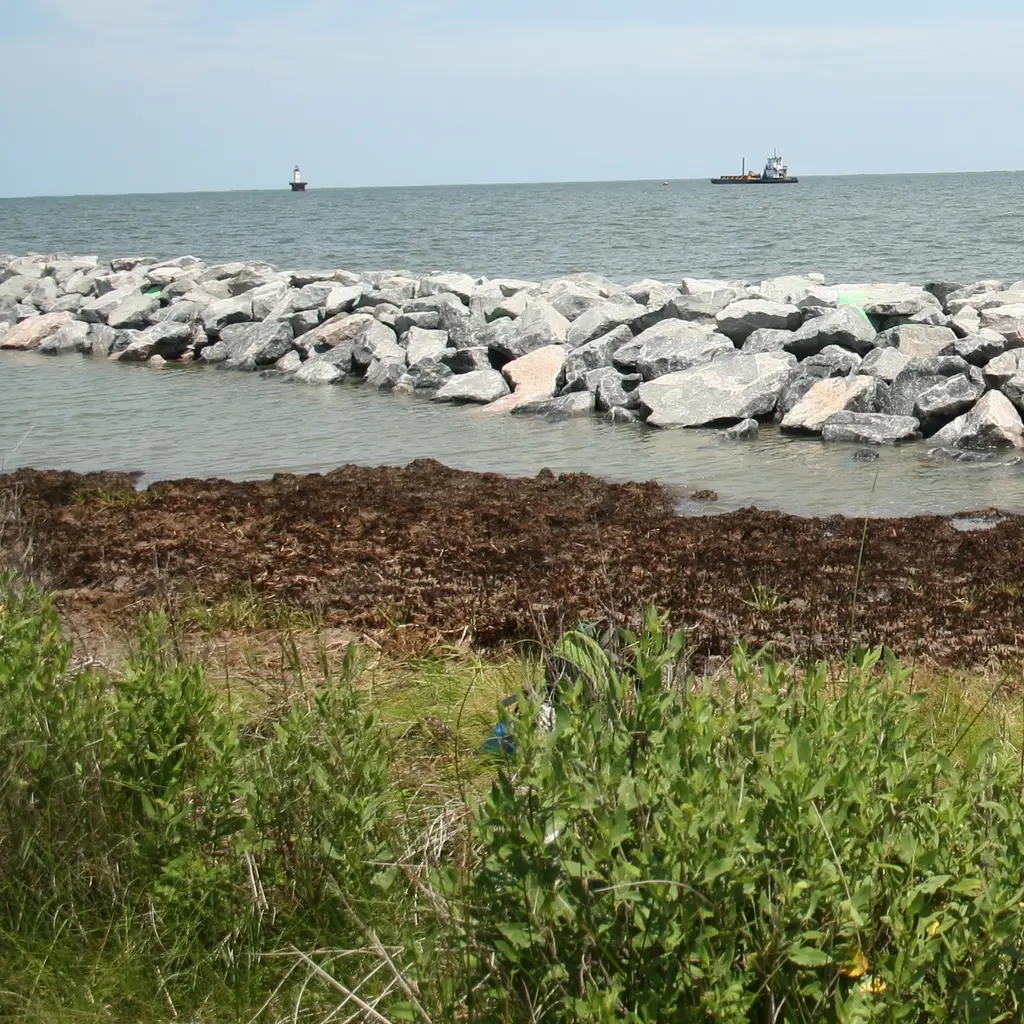
You place armor stone and concrete units to build offshore barriers, working with barges, tugs, and cranes in tidal waters. Your operations create risks including over-water injuries, storm damage to unfinished structures and fuel releases into marine environments.
The Southern Agency can review your specific marine and land-based duties, including your vessel usage and over-water rigging, to help select appropriate insurance. We can help clarify which worker benefits apply to your crew and how to insure equipment afloat versus equipment staged on land.
Crews on barges and at the waterline face drowning and rigging injuries. Actual duties, employers, locations and vessel connections need separate state, Longshore or vessel-crew review.
Placing armor stone and concrete units with cranes on floating plant creates overturn and struck-by exposure.
Barges, tugs, and work boats carry collision, sinking, and physical-damage exposure during marine construction.
Fuel releases and disturbing the seabed can trigger environmental claims and regulatory action in sensitive waters.
Weather, currents, and tides can damage partially built breakwaters and scatter placed material before completion.
A breakwater under construction is exposed to wave and storm loss before it is finished and accepted.
An actual port, government or private contract may set liability, pollution, and bond requirements. Issued policies and separate surety approval need comparison with those requests; a contract alone does not grant coverage.
Policies to ask about. Which ones fit depends on your operations, your contracts, and the carrier’s forms.
These hypothetical examples are not agency claim results. Whether a loss is covered depends on the facts, policy terms, and applicable exclusions.
A crew member is injured while rigging armor stone on a barge in open water. State or Longshore terms may provide qualifying medical and wage benefits if actual employment, duties, location, and vessel connection satisfy applicable law and policy. Vessel-crew remedies require separate review; being on a barge does not establish the worker's status or a sufficient endorsement.
Equipment on the water releases fuel and prompts a cleanup demand in a sensitive coastal area. An environmental liability policy may respond to the pollution claim, subject to policy terms and exclusions.
A storm strikes before a breakwater section is complete and displaces placed material. Builders risk coverage may help with the loss to the work in progress, depending on the specific policy and its terms.
Start with the work you do and the questions your current policies leave unanswered. Carrier options depend on your location, risk, and underwriting. Explore our approach.
Harbor construction and work on navigable water can create Longshore obligations. Vessel crew members are excluded from Longshore coverage and may instead have Jones Act rights. Duties, work location, and connection to a vessel matter, so have the actual crew arrangements reviewed rather than treating a maritime endorsement as a universal answer.
Builders risk may help protect work in progress against storm and wave loss before completion, but it depends on policy terms, the project structure, and any flood or named-storm provisions.
A pollution policy may address a covered release, but fuel cleanup, disturbed contaminated sediment, and routine turbidity control are different obligations. Provide the permit and method of work, and review vessel pollution and contractor pollution terms together.
Check the actual port, government or private contract and any applicable public-work rule for performance or payment requirements. The bonds support different specified obligations to the obligee or eligible beneficiaries, subject to approval and capacity review. They are not accident insurance, and indemnity may require reimbursement to the surety.
Equipment terms may address covered physical loss to insured cranes and rigging at accepted locations. Check scheduled values and afloat use, loading, unloading, and lifting from a barge. Barges and tugs need their own hull and vessel-liability review. A crane schedule alone does not establish vessel coverage or payment of every salvage and recovery expense.
List owned and chartered vessels, floating plant, operating waters, crane values, payroll by crew duties, and environmental methods. Include contracts allocating vessel, worker, and pollution responsibilities and a record of prior losses.
Bring your questions, current policies, and relevant contracts. An agent can review coverage terms, exclusions, and the information carriers ask for, then explain the options available to you.