

Over-water falls and drowning
Crews working from barges and partially built docks face falls into the water and drowning hazards during construction.
Try a different word, or check the spelling.
You may use the same crane on shore for one task and afloat for the next. Equipment and liability protection need to reflect where it works, along with the people and vessels involved.
The Southern Agency can help you review shore-based and afloat work before comparing insurance terms.
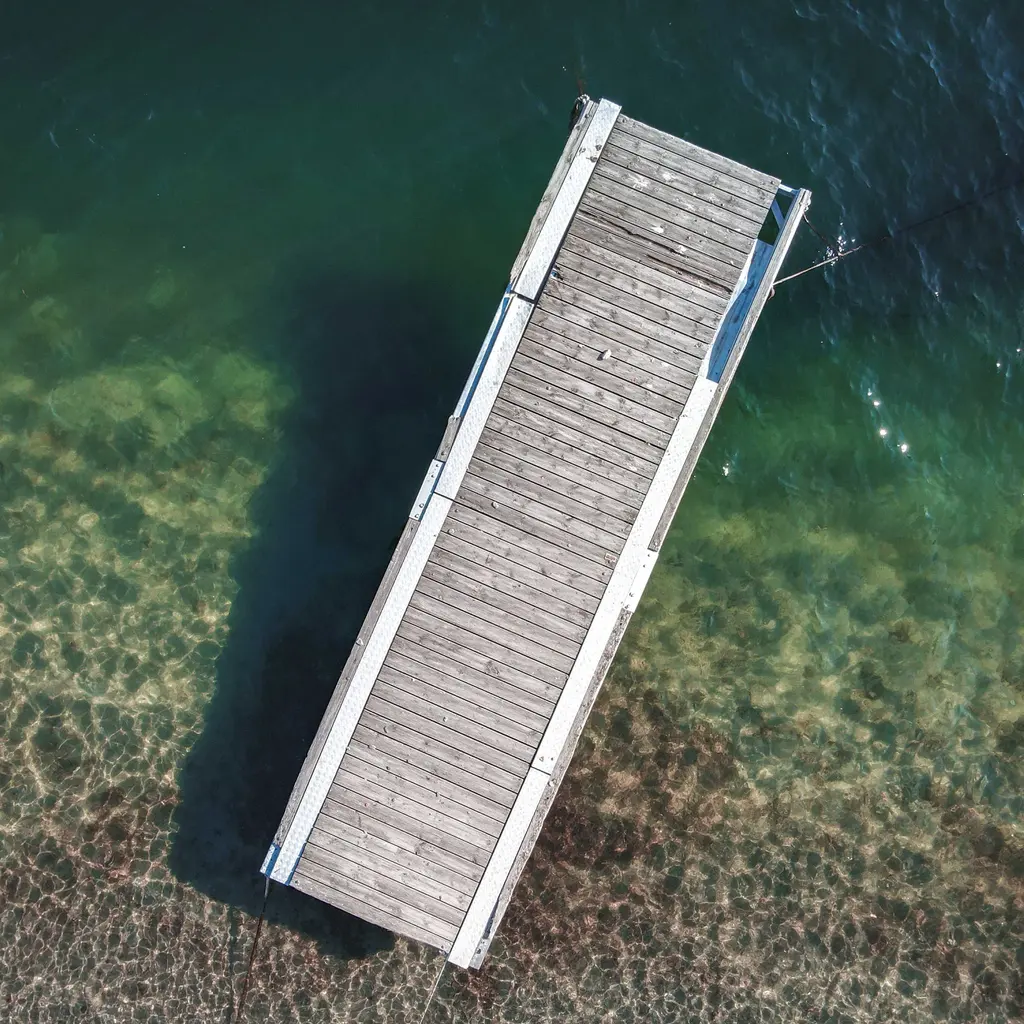
You build or repair docks, piers and boat lifts, sometimes working from barges with cranes and pile drivers. A dropped load can damage nearby boats, while work over water adds drowning, equipment, and employee-injury risks.
The Southern Agency can review the waters, structures and shore or afloat duties involved to help you select insurance. We can discuss protection for your equipment and liability to others, while considering any marine employee or vessel obligations separately.
Crews working from barges and partially built docks face falls into the water and drowning hazards during construction.
Pile drivers, cranes, and barges operating on water can overturn, drop loads, or cause serious crush injuries.
Disturbing the lakebed and operating machinery near water create fuel-spill and sediment exposures and permitting liability.
A failed piling, loose decking, or weak boat lift can injure owners and guests using the dock after completion.
Barges, pile-driving rigs, and cranes are valuable, specialized, and difficult to recover if damaged or sunk.
Storms, currents, and rising water can damage an in-progress dock and staged materials before completion.
Maneuvering barges and equipment can damage neighboring docks, seawalls, boats, or shoreline property.
Policies to ask about. Which ones fit depends on your operations, your contracts, and the carrier’s forms.
These hypothetical examples are not agency claim results. Whether a loss is covered depends on the facts, policy terms, and applicable exclusions.
A crew member falls from a work barge into the water during pile driving and is injured. Workers' compensation may respond to medical and wage costs, depending on policy terms and the facts.
Equipment leaks fuel into the water during construction, triggering cleanup. Environmental liability coverage may help, subject to the specific policy, endorsements, and exclusions.
A piling fails on a finished dock and a guest is injured. General liability completed-operations coverage may respond, depending on policy terms and the established facts.
Start with the work you do and the questions your current policies leave unanswered. Carrier options depend on your location, risk, and underwriting. Explore our approach.
State workers' compensation or Longshore terms may provide qualifying employee benefits, but vessel-crew remedies require separate review. Identify each worker's duties, location, employer, and vessel relationship under applicable law. A standard state policy or generic maritime endorsement should not be assumed to address every regime, and water location alone does not determine status.
GL pollution exclusions may limit a response; separate environmental terms may address covered cleanup or third-party claims from included fuel or sediment releases. Check accepted dock and pile-driving operations, contaminants, and reporting. A pollution policy does not automatically pay every permit violation, penalty, or cleanup demand.
Hull or equipment terms may address covered physical damage to insured craft or gear if sinking and the actual use are included. Compare owned or chartered vessels, machinery and tools with hull, equipment and liability schedules, operating waters, salvage terms, and deductibles. Inland marine alone does not establish barge or afloat coverage, and recovery or removal costs need their own terms.
Completed-operations terms may address covered resulting injury or other-property damage, such as a guest injured by a failed piling. Review accepted work, design responsibilities, and prior policies. Correcting the defective dock itself or meeting a load or performance warranty is not automatically a covered liability loss.
Builders risk coverage may respond to covered damage to an in-progress dock and staged materials from storms or currents, subject to policy terms and perils insured.
Provide structure types, project/water conditions, residential/commercial mix, pile-driving methods, fleet/vessel values, crew duties/payroll, permits, and prior losses, including borrowed or chartered equipment.
Bring your questions, current policies, and relevant contracts. An agent can review coverage terms, exclusions, and the information carriers ask for, then explain the options available to you.