

Embankment failure or seepage
A levee that settles, seeps, or breaches during high water can cause downstream flooding, major property loss, and long-tail liability disputes.
Try a different word, or check the spelling.
Your embankment is exposed to high water before the owner accepts it. Project-property terms for washout and liability to others need separate attention, as do machines working on saturated slopes.
The Southern Agency can review your heavy-civil duties and project risks to help you select appropriate insurance.
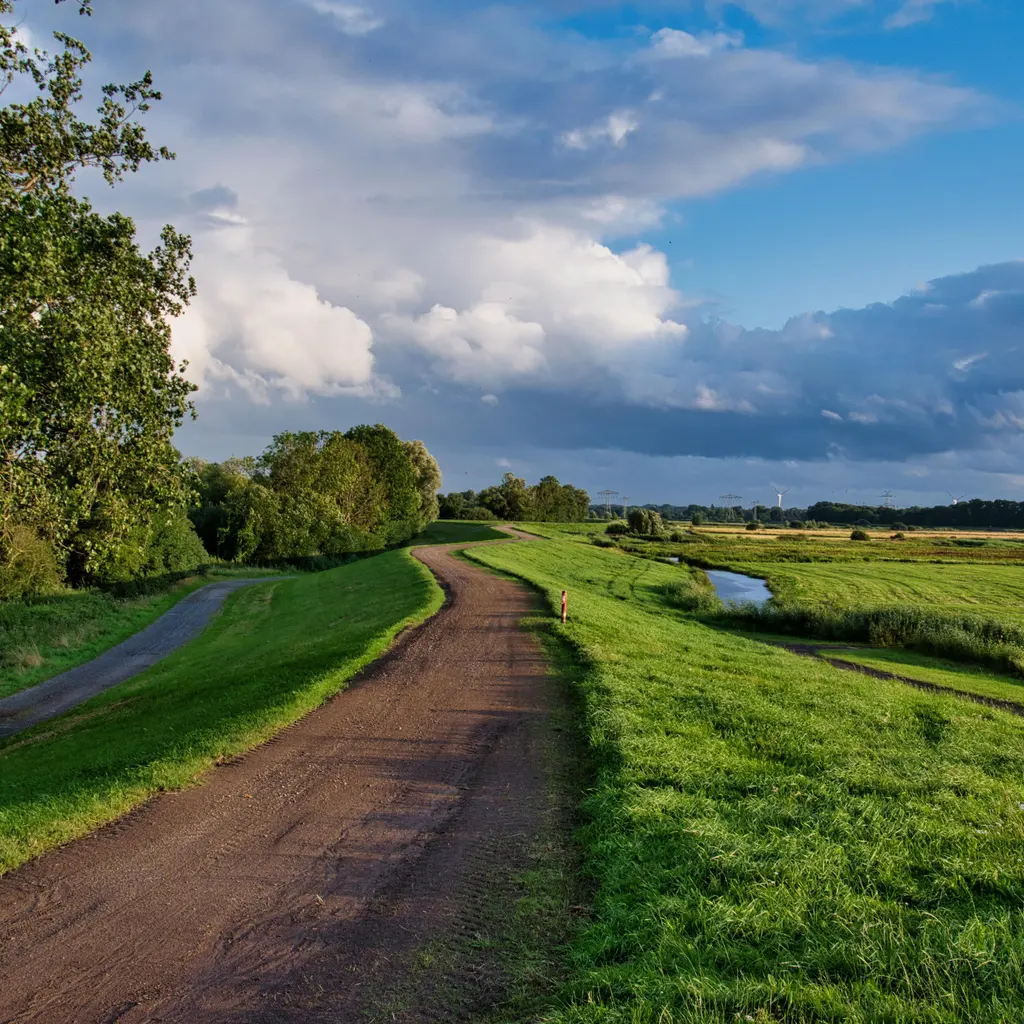
You build or repair flood-protection embankments, which involves heavy earthmoving and working with saturated soil near populated areas. Slope instability or errors in compaction can cause significant property harm downstream.
The Southern Agency can review your embankment work, downstream surroundings and project agreements to help you choose insurance. We can compare flood or washout protection for unfinished works with third-party liability, assess machines on saturated ground and identify worker-jurisdiction or bond questions for separate review.
A levee that settles, seeps, or breaches during high water can cause downstream flooding, major property loss, and long-tail liability disputes.
Dozers, scrapers, and excavators working saturated waterside slopes face rollover, sinking, and collision risks that can injure workers or bystanders.
Earthmoving, dewatering, and fuel handling near rivers and wetlands can release sediment or pollutants, triggering cleanup and regulatory exposure.
Partially built embankments and stockpiled materials can be washed out by a flood event before the project is complete and accepted.
An actual flood-control contract or public-work rule may require performance or payment bonds. Notice, default and delay allegations need review under the bond and contract; neither a delay nor a bond call establishes automatic payment.
Costly earthmoving fleets, pumps, and stockpiled riprap and geotextiles can be damaged, stolen, or lost across remote, exposed sites.
Policies to ask about. Which ones fit depends on your operations, your contracts, and the carrier’s forms.
These hypothetical examples are not agency claim results. Whether a loss is covered depends on the facts, policy terms, and applicable exclusions.
A high-water event erodes a partially completed embankment and scatters stockpiled riprap. Builders risk may respond to covered damage, depending on policy terms, flood provisions, and exclusions.
Runoff from disturbed soil reaches a regulated wetland, prompting cleanup demands. An environmental policy may respond to remediation costs, subject to the specific policy and endorsements.
An excavator slides on a saturated slope and the operator is injured. Workers' compensation may respond to medical and wage costs, subject to applicable state requirements.
Start with the work you do and the questions your current policies leave unanswered. Carrier options depend on your location, risk, and underwriting. Explore our approach.
Review actual earthmoving, dewatering, sediment, and fuel work and contract requirements alongside GL pollution exclusions. Environmental terms may address covered cleanup or third-party claims from included releases. Accepted operations, known conditions, sites, and reporting matter; a waterside location does not establish every permit cost, fine or preventive control is insured.
Check the actual agency requirements, obligee and bond terms. Performance and payment bonds support different specified obligations to the obligee or eligible beneficiaries, subject to capacity and surety approval. Indemnity may require reimbursement, and the bond is not accident or flood insurance; a delay allegation or bond call does not establish automatic default or payment.
Builders risk may respond to flood, storm, or washout damage during construction, but flood provisions vary widely. Coverage depends on the specific policy and endorsements.
Dozers, scrapers, and pumps are commonly scheduled on inland marine, which may cover them in transit and at job sites, subject to listed limits and policy terms.
Excess may add limits above covered underlying liabilities for accepted downstream harm. Compare actual people and property exposed, flood-control and completed-work duties, scheduled policies, attachment, and exclusions with owner requests before choosing limits. More limit does not add excluded design or pollution protection, insure the embankment or cover every later flood demand.
State workers' compensation or Longshore terms may provide qualifying employee benefits, while vessel-crew remedies under the Jones Act need separate review. Establish actual tasks, employers, locations, and vessel connections under applicable law. Waterside work alone or a generic maritime endorsement does not determine every worker's status or rate.
Bring your questions, current policies, and relevant contracts. An agent can review coverage terms, exclusions, and the information carriers ask for, then explain the options available to you.