

Restoration performance failure
Plantings or reef structures that miss permit survival or coverage targets can trigger professional and contract disputes after completion.
Try a different word, or check the spelling.
Your contract may judge the work by how plantings or habitat establish after installation. Liability for your design and monitoring needs to be distinguished from a guarantee that living material will survive.
Tell us about your restoration methods, design and monitoring duties, and work on the water so we can start the insurance review.
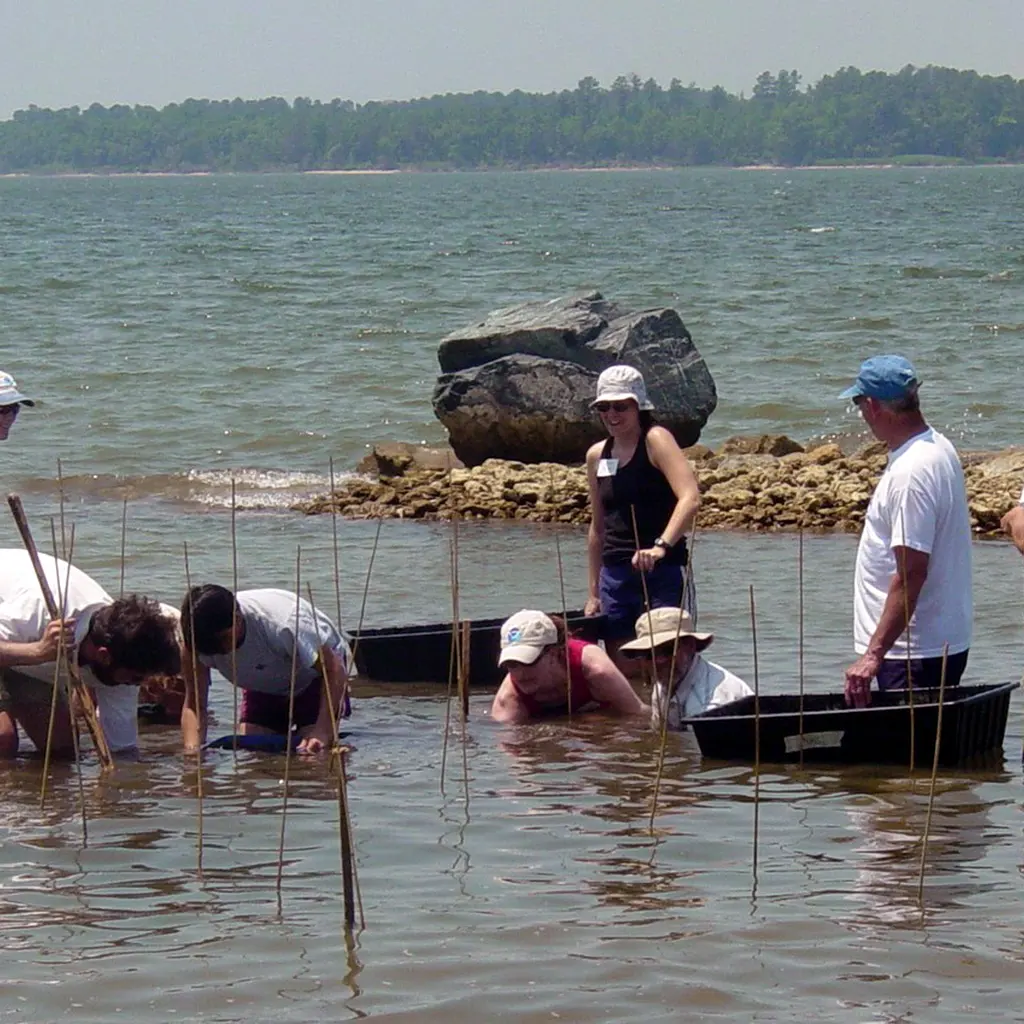
You perform delicate work like planting seagrass or building reef structures to restore aquatic ecosystems. Wading, diving, and operating shallow-draft vessels expose your team to wildlife hazards and drowning, while missed survival targets can lead to professional disputes.
The Southern Agency can help you review your restoration methods and contractual obligations to select appropriate insurance. For example, we can clarify that while you may need coverage for planting gear, biological survival outcomes are not automatically insured.
Plantings or reef structures that miss permit survival or coverage targets can trigger professional and contract disputes after completion.
Moving fill, disturbing sediments, and handling fuels in protected waters can release contaminants and draw regulatory scrutiny.
Work in regulated wetlands and waters must satisfy strict permit conditions; violations can bring penalties and remediation orders.
Wading, diving, and small-vessel work expose crews to drowning, entanglement, and wildlife risks in remote habitats.
Actual shore, wading, diving and vessel duties, employers, locations and vessel connections can raise different state, Longshore or vessel-crew obligations. Water location alone does not determine status.
Shallow-draft equipment, planting gear, and living materials can be damaged, lost, or spoiled across exposed sites.
Policies to ask about. Which ones fit depends on your operations, your contracts, and the carrier’s forms.
Ready to compare options?
Get a quote for Marine Habitat Restoration Contractor Or call 1-800-777-1TSAThese hypothetical examples are not agency claim results. Whether a loss is covered depends on the facts, policy terms, and applicable exclusions.
A wetland planting misses permit survival criteria, prompting a rework dispute. Professional terms may address a covered claim alleging an error in included design or methodology. Preserve baseline, methods, monitoring, weather, and maintenance records; a survival shortfall alone does not establish negligent design or insured replanting.
Restoration work releases sediment beyond the work zone, drawing a regulatory order. Environmental terms may address covered cleanup or liability if the release and obligation qualify. Establish any affected habitat, accepted site and pollutant, and reporting terms. Ordered remediation, ordinary permit compliance, and fines are not automatically the same insured cost.
A worker is injured installing reef structures in shallow water. State or Longshore terms may provide qualifying employee medical and wage benefits under actual law and policy. Establish duties, employer, work location, and vessel connection; vessel-crew remedies require separate review, and shallow water alone does not settle jurisdiction.
Start with the work you do and the questions your current policies leave unanswered. Carrier options depend on your location, risk, and underwriting. Explore our approach.
Restoration can disturb sediment, move fill and use fuels even when its aim is ecological improvement. Environmental terms may address covered cleanup or third-party claims from included releases. Review accepted activities, pollutants, known conditions, and reporting; a permit or beneficial intent does not establish every remediation cost or fine is insured.
Professional terms may address covered claims alleging errors in included design, methodology, advice, or monitoring services. Identify your actual duties and compare defined services and reporting terms with the contract. Accepting a survival target does not make every replanting cost or ecological shortfall a covered professional error.
State workers' compensation or Longshore terms may provide qualifying employee benefits, while vessel-crew remedies require separate review. Establish actual shore, wading, diving, and boat duties, employer, location, and vessel connection under applicable law. Neither shallow water nor a generic endorsement settles every worker's status.
Use the actual plan's criteria, monitoring/maintenance allocation, conditions, and acceptance records to identify alleged cause and responsibility. Correcting promised performance, ordinary adaptive maintenance, penalties, and negligence claims are different questions, not an automatic professional-liability payment.
Equipment terms may address covered physical loss to insured planting and monitoring gear at accepted remote sites or in transit. Review schedules, storage and afloat use. Separate hull and vessel interests and live-material ownership or spoilage; a tools schedule is not blanket protection for boats or biological survival.
Read the actual agency contract/permit and accepted operations, policy endorsements, and any bond instrument. Certificates or specified limits do not themselves grant coverage; bond obligations are not accident insurance or unlimited ecological guarantees.
Bring your questions, current policies, and relevant contracts. An agent can review coverage terms, exclusions, and the information carriers ask for, then explain the options available to you.