

Falls from scaffolds
Work from scaffolds and mast-climbers creates serious fall exposure. Height, access, erection, inspection, and use by other trades need to be described.
Try a different word, or check the spelling.
The people below your brickwork may not be part of your crew. Coverage for falling materials and scaffold operations belongs alongside protection for the equipment you move between jobs.
The Southern Agency can help you evaluate your masonry and scaffold operations to match coverage to your project needs.
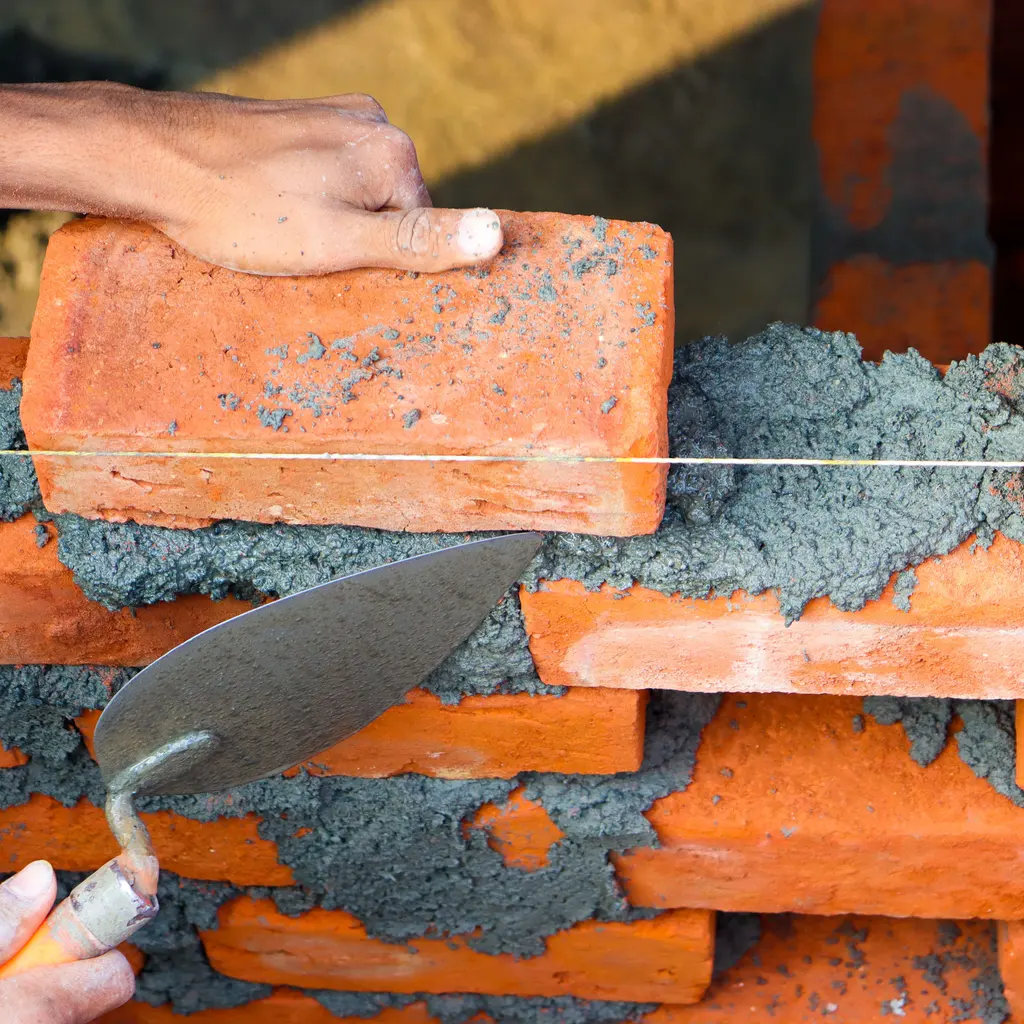
You construct masonry walls and facades, often working from scaffolds at height. Your daily work creates risks such as masonry materials falling on pedestrians or vehicles and crew injuries from falls or lifting.
The Southern Agency can review your masonry operations, including your scaffold use and materials handling, to help select appropriate insurance. For example, we can discuss liability coverage for third-party injury if a brick drops, while also identifying how to insure your mixers and scaffolding as they move between projects.
Work from scaffolds and mast-climbers creates serious fall exposure. Height, access, erection, inspection, and use by other trades need to be described.
Units, mortar, and tools can fall from height and injure people or damage vehicles and structures below the work.
Improperly erected or overloaded scaffolding can collapse, exposing crews and bystanders to severe injury.
Cutting and grinding brick and block releases respirable silica, a recognized occupational health hazard for crews.
Hoisting and placing heavy units exposes crews to back, shoulder, and repetitive-motion injuries.
Cracking, efflorescence, or water intrusion in finished walls can lead to callbacks and disputes over the work.
Mortar mixers, saws, and scaffolding transported between jobs face theft and damage at and between sites.
Policies to ask about. Which ones fit depends on your operations, your contracts, and the carrier’s forms.
These hypothetical examples are not agency claim results. Whether a loss is covered depends on the facts, policy terms, and applicable exclusions.
Hypothetical: a brick slips from a scaffold during a facade job and damages a parked car. General liability may address covered third-party damage, depending on the issued policy and facts. The car repair is separate from damage to the contractor's scaffold or materials.
Hypothetical: a mason is injured when a scaffold plank shifts. Workers' compensation may provide medical and wage benefits for a covered employee injury under applicable law. Identify the employer and who supplied and erected the scaffold; third-party liability is a separate review.
Hypothetical: months after completion, an owner reports cracking and water intrusion through a brick wall. Separate correcting the masonry from damage to interior finishes or other property. Completed-operations coverage may address covered resulting injury or damage, but it does not automatically fund repointing, rebuilding or a workmanship warranty.
Start with the work you do and the questions your current policies leave unanswered. Carrier options depend on your location, risk, and underwriting. Explore our approach.
Discuss liability for injury or damage to others, qualifying employee benefits, mobile tools and scaffolds and vehicle protection. Project property and excess limits need separate review. The mix and availability depend on actual masonry, access duties, employment arrangements, contracts, and underwriting.
Liability and workers' compensation may address different covered injury claims. Describe heights, mast-climbers, ownership, erection, inspection, and access supplied to others. Check accepted operations and height conditions; safety records do not establish coverage or a fixed premium reduction.
Brick and block cutting or grinding can expose crews to respirable silica. Provide actual tasks, exposure periods and control records. Workers' compensation may provide qualifying occupational-disease benefits under applicable law; disclosure or a control plan does not establish every historic claim's coverage or safety compliance.
Inland marine may help with covered theft or damage to insured mixers, saws, and scaffolding at sites or in transit. Check values, owned and rented items, assembled or stored locations and rental responsibilities. Internal failure and materials carried need separate review; an equipment schedule does not insure every pallet load.
Completed-operations terms may address covered resulting injury or damage to other property. Repointing, rebuilding or meeting a wall warranty alone is a separate cost. Keep work, completion and damage dates and review actual water and work exclusions; discovery after handoff does not by itself select a responding policy.
Provide residential and commercial scope, heights, scaffold duties, crew size and payroll, equipment, subcontracted work, controls, contracts and loss history. The actual submission and underwriting determine eligibility and price, not the trade name or a promised reduction for one safety practice.
Bring your questions, current policies, and relevant contracts. An agent can review coverage terms, exclusions, and the information carriers ask for, then explain the options available to you.