

Dropped or shifted loads
Rigging failure or miscalculated lifts can drop or swing a load, injuring workers and destroying the property being hoisted.
Try a different word, or check the spelling.
You bring the crane over public roads, then set it up for a very different task. Road-travel and lifting protection need to meet without assuming either one covers every loss to the machine or customer's load.
Start with your crane schedule, largest lift values and who handles rigging so The Southern Agency can review the coverage you need.
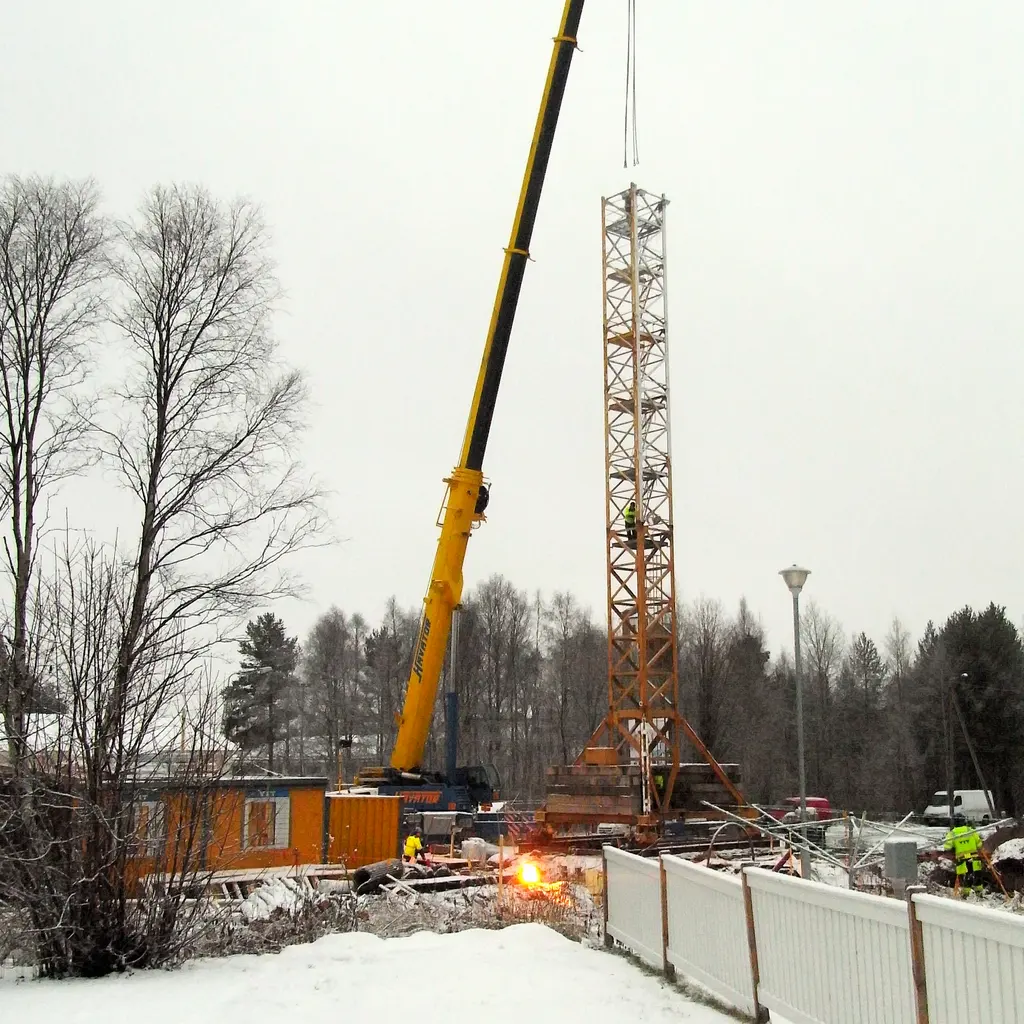
You move heavy loads into position at construction sites, plants and utility projects. A shifted load or settling outrigger can damage the customer's property and nearby structures, while moving the crane between jobs brings road exposures.
The Southern Agency can review your cranes, lifting duties and maximum load values to help you select insurance. We can compare riggers' liability for customer loads with protection for the crane itself, including road travel, operation and hired-equipment responsibilities.
Rigging failure or miscalculated lifts can drop or swing a load, injuring workers and destroying the property being hoisted.
Soft ground, overloading, or wind can cause a mobile crane to tip, producing catastrophic injury and property damage on a busy site.
Loads being lifted often belong to others, creating riggers' liability that standard general liability commonly restricts.
Lifts near overhead lines expose operators and ground crews to electrocution and can trigger utility outages and damage.
Moving large cranes between sites on public roads creates substantial auto liability and physical-damage risk.
Hydraulics, cables, and booms under heavy strain can fail, sidelining high-value equipment and disrupting scheduled lifts.
Policies to ask about. Which ones fit depends on your operations, your contracts, and the carrier’s forms.
Ready to compare options?
Get a quote for Mobile Crane and Hoisting Service Contractor Or call 1-800-777-1TSAThese hypothetical examples are not agency claim results. Whether a loss is covered depends on the facts, policy terms, and applicable exclusions.
A rigging strap fails and a lifted steel assembly falls and is destroyed. Review actual owner/custody, operator/rigging responsibility and load value, then customer-property versus riggers liability terms. A crane schedule or on-hook label alone does not establish payment.
A crane outrigger settles and the machine tips, damaging an adjacent structure. Preserve actual ground/setup and lift records; review adjacent-property liability separately from owned/hired crane overturn terms. The tip-over does not by itself establish an internal breakdown or paid delay.
A boom contacts an overhead line during a lift, injuring a ground worker. Workers' compensation may respond to medical costs and lost wages, depending on the policy and circumstances.
Start with the work you do and the questions your current policies leave unanswered. Carrier options depend on your location, risk, and underwriting. Explore our approach.
Ordinary GL may exclude customer property in custody. Review actual load ownership/value, custody stages and riggers liability versus customer-property cover; an inland marine schedule or on-hook label does not establish the same insuring trigger on every form.
Review actual owned/hired machine values and physical-damage causes including overturn, separately from eligible electrical/mechanical breakdown. Wear, cable/boom replacement, and lost lift schedules require their own terms; one schedule does not establish all of them.
Contact with energized lines is a serious exposure. Liability and workers' compensation may respond to resulting injury and damage, though coverage depends on the facts and policy terms.
Read actual GC contract/indemnity, limits and insured-status requirements against accepted GL/auto/employer/riggers and excess terms. A certificate or high limit does not create endorsements, customer-load cover or compliant-program approval.
Review actual crane/carrier design and scheduling, auto/mobile-equipment definitions, compulsory-insurance law, and road/operation exclusions. Public-road travel is relevant but is not by itself a universal auto classification or coverage guarantee.
Identify actual lessor, operator, rigging, and lift-control roles, rental/indemnity, and physical-damage responsibilities. Bare and operated arrangements can be accepted differently, but neither label alone settles liability or insured interests.
Bring your questions, current policies, and relevant contracts. An agent can review coverage terms, exclusions, and the information carriers ask for, then explain the options available to you.