

Hot-work fires
Sparks and slag can ignite combustibles at a customer site, sometimes smoldering and flaring after the welder has left.
Try a different word, or check the spelling.
Your truck carries a workshop into a site you do not control. Hot-work liability and protection for the mounted rig need to fit that mobile setup, including claims after a weld is complete.
The Southern Agency can help you manage the hot-work and equipment risks of your mobile welding business.
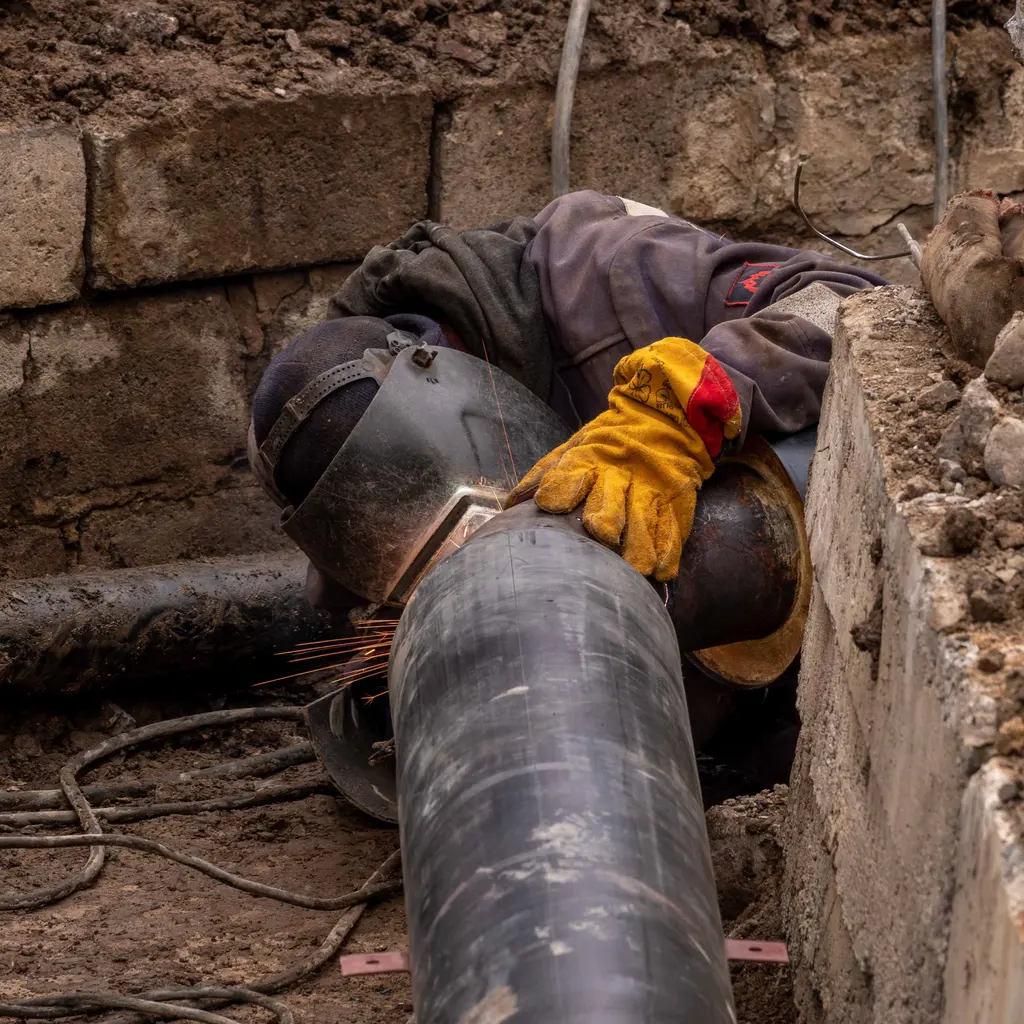
You bring mobile welding equipment to diverse job sites to perform repairs and fabrication. A stray spark can ignite a fire that persists long after you leave, and a failed weld on a structural component can lead to significant subsequent property damage.
The Southern Agency can review your mobile hot work and equipment to help you choose insurance. We can discuss protection for truck-mounted rigs and completed-operations liability if a weld allegedly causes damage after the job.
Sparks and slag can ignite combustibles at a customer site, sometimes smoldering and flaring after the welder has left.
A weld on a structural or load-bearing component can fail later, causing injury or property damage and completed-operations claims.
Working with molten metal, arc flash, and grinding exposes the welder and helpers to serious burns and eye injuries.
Oxygen, acetylene, and other cylinders carried on the rig can leak or explode if mishandled or damaged in transit.
Heat, sparks, and grinding debris can scorch finishes, equipment, or vehicles surrounding the work area.
Truck-mounted welders, generators, and torches face road accidents, theft, and damage while working at remote sites.
Policies to ask about. Which ones fit depends on your operations, your contracts, and the carrier’s forms.
These hypothetical examples are not agency claim results. Whether a loss is covered depends on the facts, policy terms, and applicable exclusions.
Hypothetical: Slag from a repair ignites stored materials that catch fire hours after the welder leaves. General liability may help with resulting third-party damage, subject to the welding and hot-work terms. Fire-watch conditions and whether work was complete matter; when the fire is noticed does not by itself determine coverage.
Hypothetical: A welded bracket fails under load at a later date, causing property damage. Products-completed-operations coverage may help with resulting damage if that work is covered. Repairing the bracket or weld and meeting a performance guarantee are separate costs.
Hypothetical: A portable welder and generator are stolen from a job site overnight. Equipment coverage may help replace them if the theft is covered, based on insured values, overnight-storage conditions, and the deductible.
Start with the work you do and the questions your current policies leave unanswered. Carrier options depend on your location, risk, and underwriting. Explore our approach.
It may help pay for fire damage to someone else's property, including a fire discovered after you leave. Check the welding work covered, exclusions, and hot-work conditions before the job. A site's permit is a separate requirement, not confirmation that the policy covers the fire.
Products-completed operations may help with resulting injury or property damage if the policy covers that type of welding. Redoing the defective weld or honoring a performance guarantee is separate from paying for the harm it causes.
Portable welders and generators can be insured for covered damage or theft at jobs and in transit. The truck and permanently mounted rig may fall under different property terms, so compare the auto and equipment schedules and values, including remote work and storage.
Tell the insurer the gases, quantities and how cylinders are mounted, transported, and stored. These details affect coverage terms and should also be compared with safety and customer-site requirements.
Bring the plant's written insurance requirements and your welding scope, including requested limits and additional-insured wording. Check the needed endorsements before mobilizing. A certificate cannot broaden the policy, and the hot-work permit is a separate site requirement.
Owner injury benefits are not automatic when you work alone. State rules, your business structure, owner inclusion or exclusion and the use of helpers affect the answer. Check customer contract requirements separately.
Bring your questions, current policies, and relevant contracts. An agent can review coverage terms, exclusions, and the information carriers ask for, then explain the options available to you.