

Sparks and debris on shared sites
Cutting and grinding near other trades and stored materials can injure workers or ignite combustibles on a jobsite.
Try a different word, or check the spelling.
You make components in a temporary work area alongside other trades and stored materials. Cover for portable fabrication equipment and liability from the work needs to fit that shared site.
The Southern Agency can help you cover field-based fabrication risks, from site liability to tool protection.
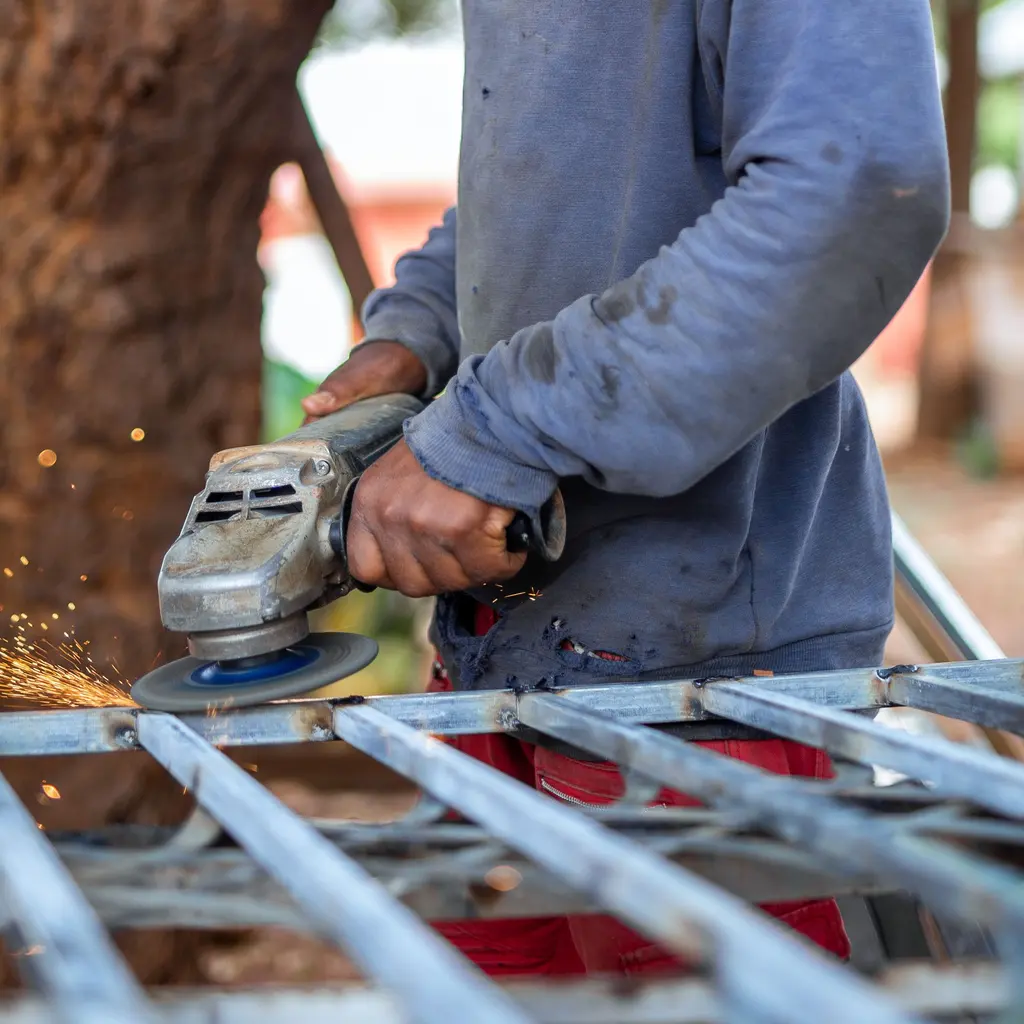
You perform custom fabrication at active construction sites, which introduces sparks from cutting tools and the potential for structural issues from improperly sized components. If a fire starts from your hot work or a finished component fails later, your business could face a claim.
The Southern Agency can review your components, hot-work duties and portable machinery to help choose insurance. We can compare site liability with actual tool and customer-stock interests, and examine design responsibilities separately from remaking a component that fails its fit or load specification.
Cutting and grinding near other trades and stored materials can injure workers or ignite combustibles on a jobsite.
Field welding and torch work create fire risk on premises the contractor does not control, sometimes flaring after work ends.
Components built to dimension can be wrong or weak, causing rework, structural problems, or damage once installed.
Sharp stock, heavy assemblies, and power tools expose crews to lacerations, crush, and struck-by injuries in the field.
Brakes, saws, generators, and welders moved between jobs face theft and damage at temporary work areas.
Raw materials and partly finished components staged on site can be damaged by weather, other trades, or mishandling.
Policies to ask about. Which ones fit depends on your operations, your contracts, and the carrier’s forms.
These hypothetical examples are not agency claim results. Whether a loss is covered depends on the facts, policy terms, and applicable exclusions.
Hypothetical: cutting sparks ignite nearby packaging and fire spreads. GL may address covered resulting harm under accepted operations and hot-work conditions. Keep temporary-area, combustible and fire-watch records; a site permit does not establish insurance acceptance or safe-work approval.
Hypothetical: an undersized field-built support fails and damages installed work. Products/completed-work terms may address covered resulting harm if that component and duty are accepted. Preserve supplied dimensions, design responsibility and acceptance records; remaking the support or fulfilling a load promise is separate.
Hypothetical: a portable brake and generator are stolen from a temporary work area. Equipment terms may address covered theft under actual ownership, values and location/security conditions. Rentals, raw or customer stock and partly fabricated assemblies need their own included interests.
Start with the work you do and the questions your current policies leave unanswered. Carrier options depend on your location, risk, and underwriting. Explore our approach.
Equipment coverage can help replace portable machines after a covered theft or damage loss, while workers' compensation and auto policies address employee injuries and vehicle accidents. General liability can address covered site and completed-work claims. Design advice and customer materials need their own review rather than being assumed part of that protection.
Yes. Cutting, grinding, welding and torch work can ignite packaging or other nearby materials and damage the site. General liability may help with resulting fire claims, but the policy's operations and hot-work conditions matter. A permit is a work authorization, not insurance or approval of the site's safety arrangements.
Products or completed-operations coverage may help if the failed component causes covered injury or damage to other installed work. Remaking an undersized support, repairing a weak weld or meeting a fit or load promise is a separate cost. Specifications, design responsibilities and installation and acceptance records help identify what failed and who was responsible.
Inland marine may help replace insured brakes, saws, generators and welders after covered theft or damage in transit or at a site. The equipment values and any rental obligations need to match the policy. Weather damage and internal breakdown can have different terms, and machine coverage does not automatically insure customer stock or fabrication errors.
A GC may ask for a certificate and specific limits or additional-insured protection before site work begins. The contract identifies the request; the policies and ongoing or completed-operations endorsements determine the rights provided. A certificate alone does not add those rights or satisfy every indemnity promise.
Installation or other property coverage may help replace insured stock and partly fabricated assemblies after a covered loss during transit or storage. Ownership, peak values and the stages through processing and installation need to be identified. Breakage, weather, faulty fabrication and when coverage ends can be treated differently; taking custody alone does not insure a customer's materials.
Bring your questions, current policies, and relevant contracts. An agent can review coverage terms, exclusions, and the information carriers ask for, then explain the options available to you.