

Transit damage to finished modules
Oversized units moving over the road can be damaged by collisions, road shock, or improper securement.
Try a different word, or check the spelling.
Your work in progress leaves the factory before the building is complete. Property protection needs to account for the module's journey and setting, alongside the plant and site responsibilities you undertake.
The Southern Agency can help you address risks from factory assembly through final site installation.
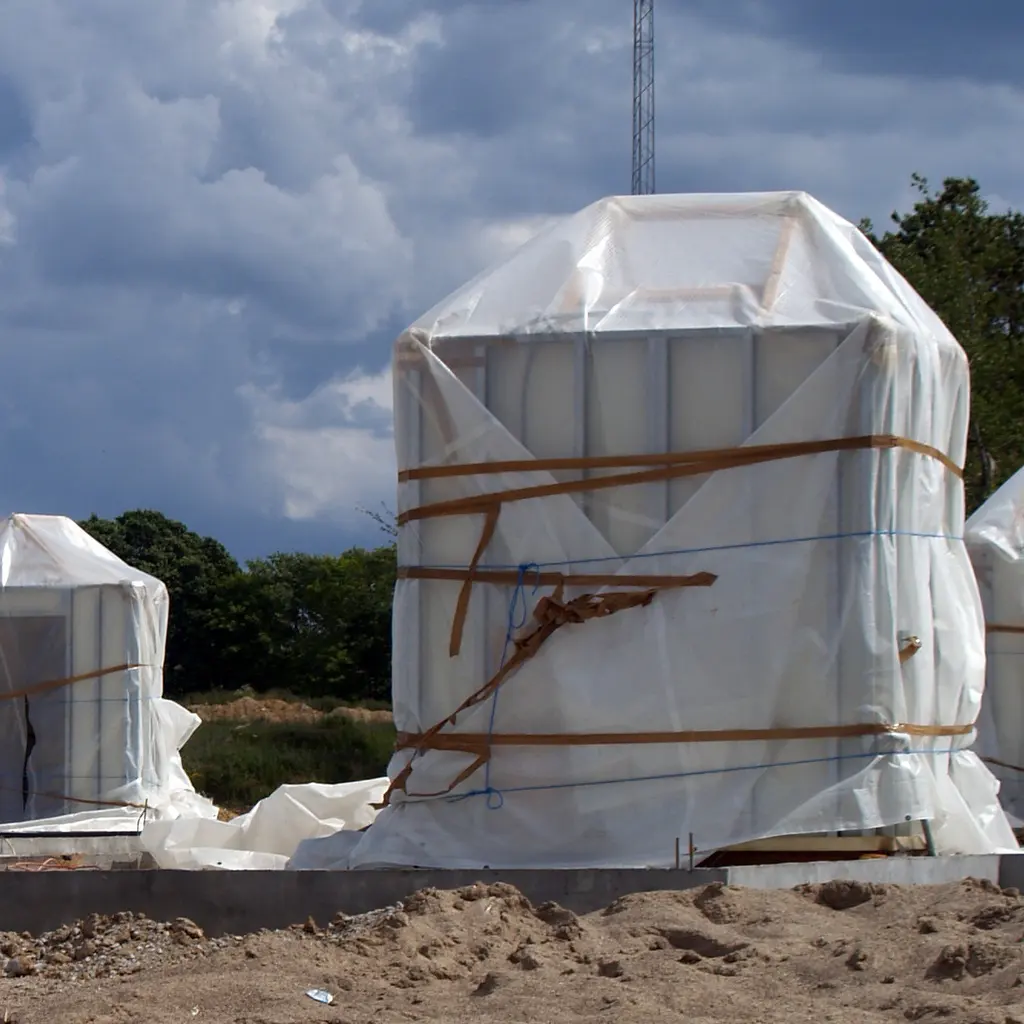
You may manufacture modules, arrange their delivery, set them on foundations or combine those roles. A finished section must survive loading, the road journey and a crane lift before site connections are complete. Later joint leaks raise a different question from damage to the module during delivery.
The Southern Agency can review your factory, transport, and installation duties to help you select insurance. We can compare protection for modules in transit with liability for site connections and resulting damage after completion.
Oversized units moving over the road can be damaged by collisions, road shock, or improper securement.
Lifting and placing heavy modules onto a foundation introduces dropped-load, rigging, and tip-over hazards at the site.
Assembly-line crews using saws, lifts, and power tools face cuts, falls, and material-handling injuries in the plant.
Joints between modules and connections to utilities can leak or fail, leading to water damage and completed-operations claims.
Modules and materials at the jobsite face fire, theft, and weather damage before the building is complete and accepted.
Owners and code officials may allege the delivered building does not meet specifications or applicable building standards.
Policies to ask about. Which ones fit depends on your operations, your contracts, and the carrier’s forms.
These hypothetical examples are not agency claim results. Whether a loss is covered depends on the facts, policy terms, and applicable exclusions.
Hypothetical: a transported classroom module is struck and its wall crushed. Transit terms may address covered physical loss if ownership, value, conveyance and stage are included. Identify hauler and loading responsibilities; truck physical damage is not automatically module insurance, and delivery delay is separate.
Hypothetical: water enters a module joint months after handoff and damages interior finishes. Liability terms may address covered resulting harm under accepted manufacturing/setting and water terms. Preserve joint tests, acceptance and damage dates; resealing, code correction and output warranties are separate.
Hypothetical: fire damages set modules awaiting final finishing. Project-property terms may address covered loss if modules, ownership and stage fall within the insured period. Check who arranged coverage and when transit/installation terms ended; a handoff does not itself confirm uninterrupted protection.
Start with the work you do and the questions your current policies leave unanswered. Carrier options depend on your location, risk, and underwriting. Explore our approach.
Review actual module ownership/value, carrier responsibility, and insured loading, storage, road transit, and unloading stages, including maximum conveyance/site values. Truck physical damage and cargo/installation terms are different; disclosure alone is not a phase-by-phase coverage confirmation.
Builders risk may help cover the building during site work, though terms must account for off-site fabrication and transit. Coordinate coverage across phases, subject to underwriting.
Preserve actual manufacturing, setting, joint/test, and acceptance records and damage chronology. Review responsibility and resulting interior harm separately from resealing/replacing modules or honoring delivery/code warranties; handover alone does not establish completed-work payment.
Read the actual contract and obligee's instrument. Performance and payment bonds address different obligations, subject to terms and surety approval, not unlimited code or output guarantees.
List actual plant buildings/tools/machines, work-in-process and finished modules and stock, values, and locations. Review property causes, breakdown/income and off-site transitions separately; insuring the factory does not automatically follow each module to acceptance.
Identify actual owner, setter, hired crane/operator, and custody/lift-control contracts. Review module property versus riggers liability and owned/hired equipment; stating that you set units does not establish all dropped-load or customer-property cover.
Bring your questions, current policies, and relevant contracts. An agent can review coverage terms, exclusions, and the information carriers ask for, then explain the options available to you.