

Pollution releases and spills
Leaks of oil, gas, or test fluids during construction can contaminate soil and water, triggering cleanup costs and regulatory penalties.
Try a different word, or check the spelling.
The fluids involved in your work may include test fluids as well as the product the line will carry. Pollution and construction liability need to fit the installation and testing duties you actually accept.
The Southern Agency can help you navigate the severe hazards and contractual requirements inherent in pipeline work.
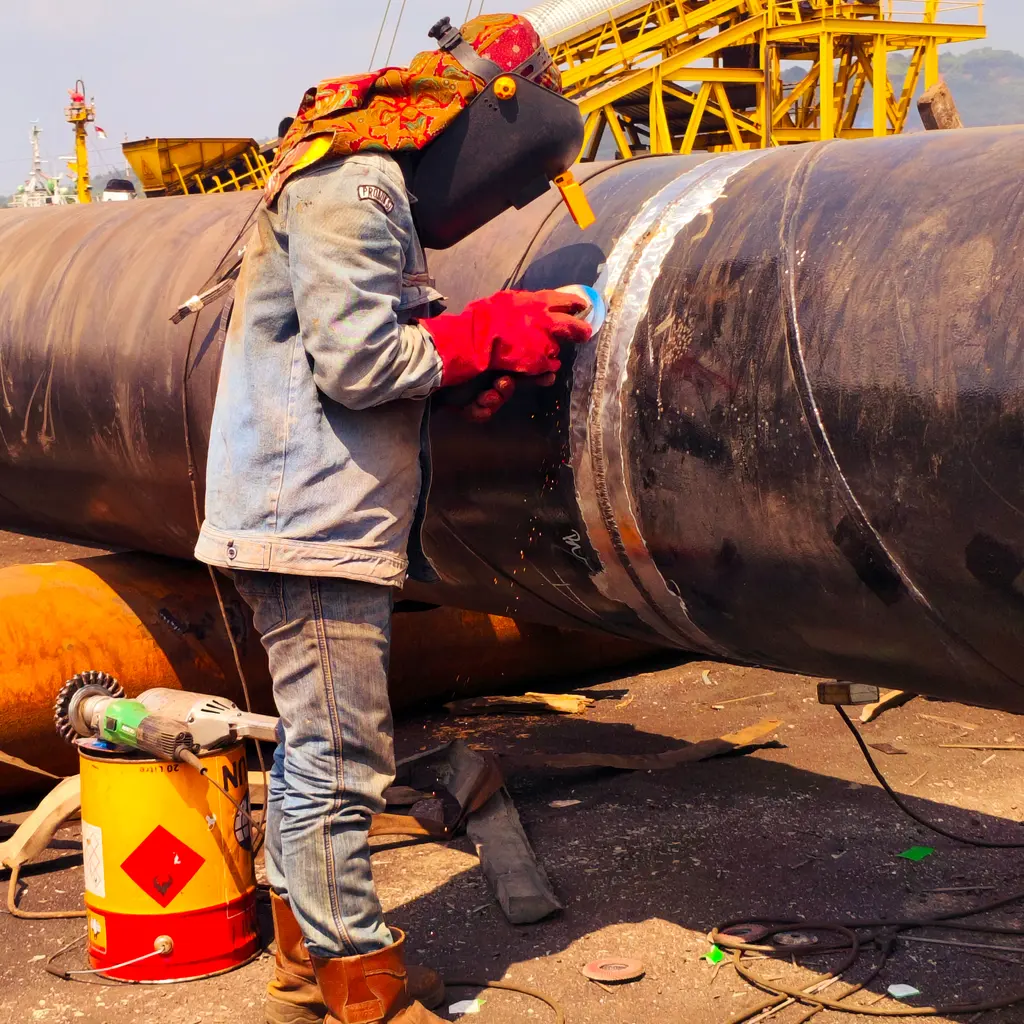
You install and maintain pipeline systems across challenging terrain, often involving heavy excavation and work near live systems. A single error during welding or trenching can lead to a fire, explosion, or an environmental spill with far-reaching consequences.
The Southern Agency can review your installation, testing and live-line duties to help choose insurance. We can compare accepted pollutants and underground operations with the owner's requested terms, and examine any actual performance or payment bond requirement separately through surety approval.
Leaks of oil, gas, or test fluids during construction can contaminate soil and water, triggering cleanup costs and regulatory penalties.
Welding and connecting to live hydrocarbon or gas lines creates serious fire and explosion potential for crews and surroundings.
Excavation and boring can damage adjacent pipelines, cables, or utilities, causing outages, releases, and major third-party loss.
Deep trenching and work in vaults and bores expose workers to cave-in, engulfment, and atmospheric hazards.
Excavators, side-booms, and bore rigs operating across remote rights-of-way create struck-by, rollover, and equipment-loss risk.
An owner may request indemnity, specified insured-party rights, high limits and pollution terms. Read the actual scope and contract against issued endorsements and accepted operations; neither an owner request nor a certificate confirms those duties are insured.
Policies to ask about. Which ones fit depends on your operations, your contracts, and the carrier’s forms.
These hypothetical examples are not agency claim results. Whether a loss is covered depends on the facts, policy terms, and applicable exclusions.
Hypothetical: hydrostatic fluid containing hydrocarbons reaches nearby soil. Environmental terms may address covered response if the fluid, operation, site and reporting are included. Preserve sampling, handling and release records; routine disposal, pre-existing contamination, fines and owner production loss require separate review.
Hypothetical: excavation strikes a live gas line and causes a leak and shutdown. Review actual physical damage, injury, release and outage demands separately under accepted underground, explosion and pollution terms. Preserve utility verification; shutdown alone does not establish payment for every operator or customer's lost production.
Hypothetical: a trench wall partially collapses and injures a worker. Workers' compensation may provide qualifying benefits under applicable law and actual employer duties. Preserve incident and excavation records; insurance review does not approve trench protection or establish every third-party liability allegation.
Start with the work you do and the questions your current policies leave unanswered. Carrier options depend on your location, risk, and underwriting. Explore our approach.
Review actual pollution exclusions and any accepted environmental operations, substances/sites, known conditions, and reporting terms. Oil, gas and test-fluid releases need their own analysis; a pollution policy label does not establish every cleanup, fine or shutdown claim.
Read actual owner indemnity, insured-status and limit requirements against accepted GL, auto, employer and pollution/excess terms. High limits or a certificate do not create endorsements or insure every owner promise.
Identify actual products/pressures, operator duties, welding/test procedures, and accepted live-work/energy exclusions. Disclosure and qualifications are needed for review but do not establish eligibility, quoted terms or safe-work approval.
List actual owned/hired machines, attachments, values and route/site use, separately from owner-supplied pipe and installation interests. Check storage/transit/handling and theft/flood terms; equipment scheduling does not establish every staged-pipe loss.
Check the actual contract and obligee. Performance and payment bonds address different obligations, subject to terms and surety approval; neither guarantees the contractor's every production, code or indemnity promise.
Preserve actual location/verification and work records and identify injury, damaged services, release, and outage demands separately. Review accepted underground/collapse/explosion and pollution terms; a locate alone does not establish fault or payment.
Bring your questions, current policies, and relevant contracts. An agent can review coverage terms, exclusions, and the information carriers ask for, then explain the options available to you.