

Working in unstable structures
Removing materials from partially demolished or weakened buildings exposes crews to collapse, falling debris, and crush injuries.
Try a different word, or check the spelling.
What you recover from a demolition site may later be sold as a building component. Insurance needs to account for that resale responsibility as well as protection for reclaimed stock in your yard.
The Southern Agency can help you manage the diverse risks of recovering, hauling and reselling building materials.
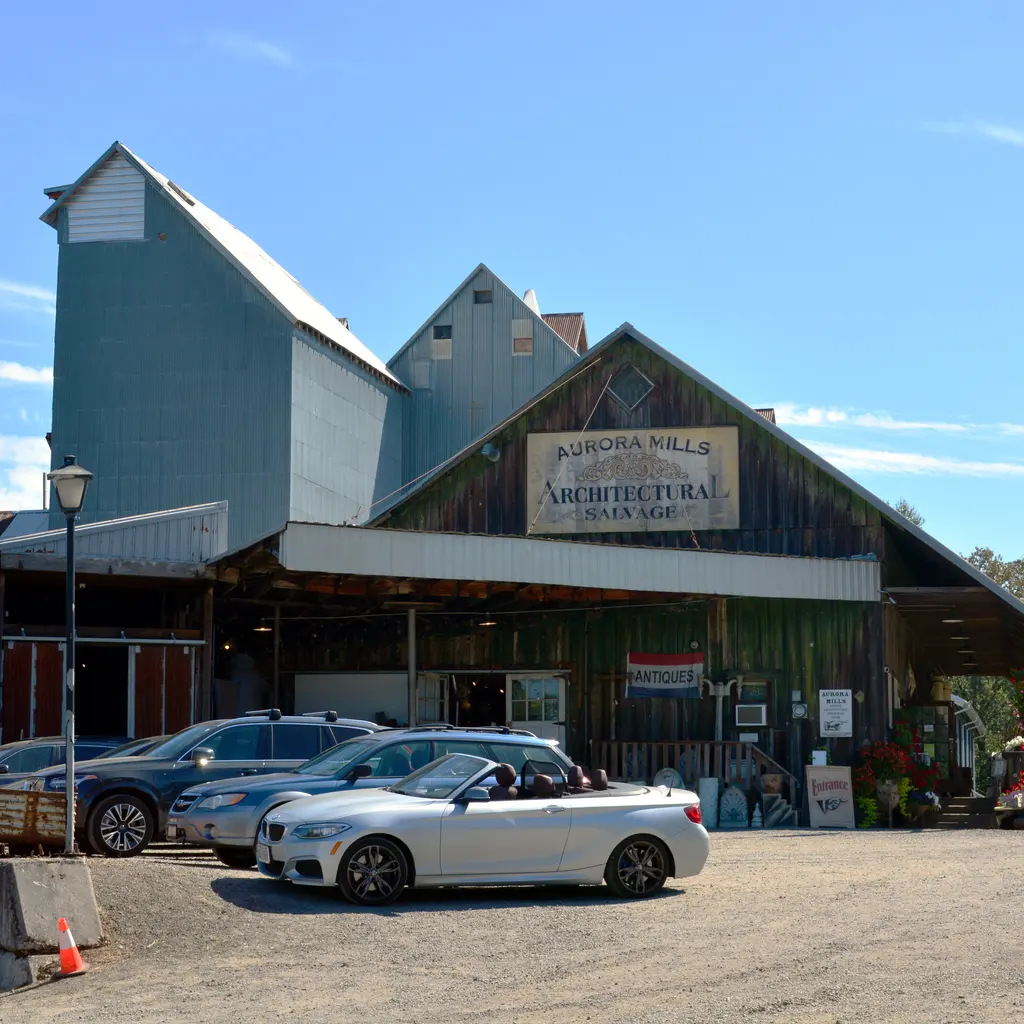
You strip salvageable materials from structures during demolition, managing heavy debris and reclaimed inventory. This work involves unstable environments and the subsequent resale of used goods, which can lead to liability if a reclaimed item fails after installation.
The Southern Agency can review your salvage and reclamation operations, from site work to inventory storage, to help select appropriate insurance. We can help you identify coverage for the physical risks of handling sharp or heavy reclaimed materials, as well as the storage risks of your reclamation yard.
Removing materials from partially demolished or weakened buildings exposes crews to collapse, falling debris, and crush injuries.
Disturbing lead paint, mold, asbestos-bearing material, or chemical residue during salvage can create pollution and bodily-injury exposure.
Used components sold to builders or homeowners may later fail or be misrepresented, creating product and completed-operations claims.
Trucks carrying heavy salvage and a yard packed with reclaimed inventory face accident, cargo, fire, and theft exposure.
Copper, brass, and other high-value reclaimed metals are frequent targets for theft from yards and staging areas.
Prying, cutting, and moving heavy material near standing structures can damage neighboring buildings or utilities.
Loaders, cutting torches, hoists, and hand tools used across changing sites can be damaged, stolen, or break down.
Policies to ask about. Which ones fit depends on your operations, your contracts, and the carrier’s forms.
These hypothetical examples are not agency claim results. Whether a loss is covered depends on the facts, policy terms, and applicable exclusions.
A weakened floor gives way while crews remove timber, injuring a worker. Workers' compensation may respond to medical and wage costs, depending on policy terms and the facts of the incident.
A salvaged structural beam sold to a builder later fails and is blamed on the contractor. Establish what actually failed and whether there was injury or resulting damage beyond replacing the beam. Review accepted products and alleged representations; failure/blame alone does not establish an insured product claim.
Thieves remove a stockpile of reclaimed copper overnight. Commercial property coverage may help with the loss, depending on policy terms and any theft conditions.
Start with the work you do and the questions your current policies leave unanswered. Carrier options depend on your location, risk, and underwriting. Explore our approach.
Salvage blends demolition-adjacent labor, hauling, and resale of used goods. Each creates different exposures, so coverage should be tailored to your specific operations, subject to underwriting.
Identify suspect materials, disturbance, site conditions, and disposal/transport roles. Check accepted substances and operations and reporting terms; an environmental policy or salvage permit does not establish remediation authority, every cleanup or all penalties.
List peak metal/other stock values, ownership, yard locations, processing, and security. Review fire/theft and valuation terms; a yard policy is not proof of every off-site load, client item or inventory shrinkage loss.
Establish injury or resulting damage, not merely the failed item, replacement request or disputed quality representation. Confirm accepted reclaimed products and work/damage/claim dates and exclusions. Replacing the beam alone is not the same as damage caused to other property.
Review owned/hired trucks/trailers, drivers and haul use, selected truck physical damage and legal responsibility for the reclaimed load. Cargo/own-goods and loading/unloading terms differ from auto liability; extra liability limits do not insure every load.
Most states require it for employees, and salvage labor carries real injury exposure. Requirements vary by state and operation, so confirmation depends on where you work.
Bring your questions, current policies, and relevant contracts. An agent can review coverage terms, exclusions, and the information carriers ask for, then explain the options available to you.