

Mold and contaminant spread
Improper containment during remediation can spread mold or contaminants through a property, prompting pollution and liability claims.
Try a different word, or check the spelling.
Your restoration records may need to explain both the original damage and the work performed afterward. Insurance for a remediation claim is different from resolving a dispute over scope or payment.
The Southern Agency can help you manage the complex risks of emergency mitigation and contents handling.
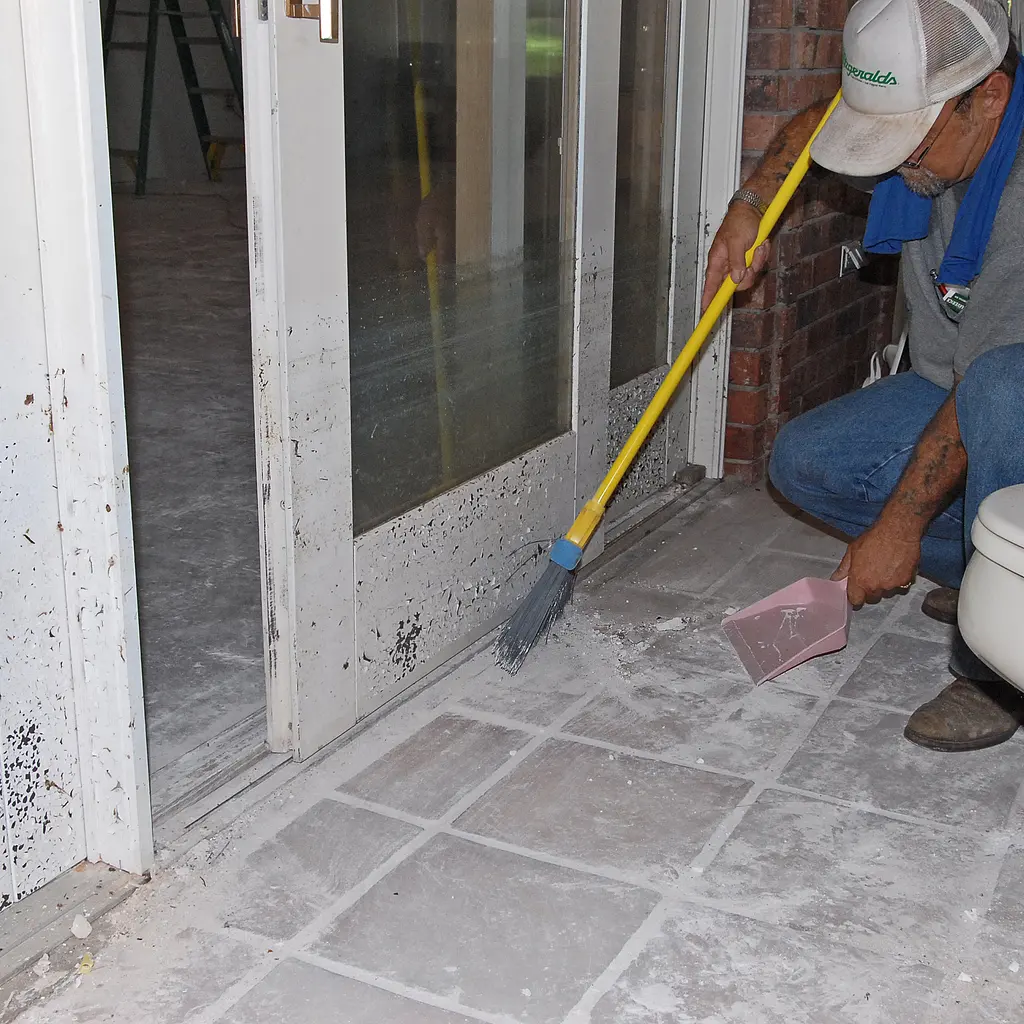
Your work responds to emergency fire, water and mold damage, often handling the client's sensitive personal property. Improper containment or drying can spread contamination and lead to significant disputes over the scope of work.
The Southern Agency can review your emergency response, reconstruction and contents-handling services to help you select insurance. We can compare customer-property terms for pack-out and storage with your job-site and pollution liability, including the contaminants you actually handle.
Improper containment during remediation can spread mold or contaminants through a property, prompting pollution and liability claims.
Packing out and storing a customer's belongings during restoration exposes the contractor to loss or damage of those items.
If a structure is not fully dried, hidden moisture can cause renewed mold growth or material failure and disputes over rework.
Antimicrobials, solvents, and disturbed lead or asbestos in older buildings create environmental and cleanup exposure.
Compromised footing, electrical hazards, and heavy debris removal expose crews to slips, shocks, and lifting injuries.
Restoration billed to insurers invites disputes over scope and documentation that can delay payment and strain relationships.
Policies to ask about. Which ones fit depends on your operations, your contracts, and the carrier’s forms.
These hypothetical examples are not agency claim results. Whether a loss is covered depends on the facts, policy terms, and applicable exclusions.
Inadequate containment lets mold spread to unaffected rooms during a remediation job. Environmental coverage may respond to the resulting claim, depending on policy terms and the facts of the incident.
A customer's electronics are damaged while stored during a pack-out. An inland marine policy may help with the loss, subject to the specific policy, endorsements, and exclusions.
Hidden moisture left after a drying job causes renewed damage weeks later. General liability may respond to the property-damage claim, depending on policy terms and the cause.
Start with the work you do and the questions your current policies leave unanswered. Carrier options depend on your location, risk, and underwriting. Explore our approach.
Do not assume so. Mold, water and pollution provisions vary, and the actual remediation operation/contaminant must be accepted. Review site/condition, cause, dates, and reporting terms; an environmental policy is not a guarantee for every mold allegation or existing condition.
Identify who owns each item, its pre-pack condition and maximum value at each transport, cleaning and storage stage. Customer-property/bailee terms must cover the actual process/location; scheduling air movers or insuring a warehouse does not by itself cover every contents loss.
Actual mold, chemicals and disturbed lead/asbestos can require environmental review, but the restoration label does not establish accepted substances or tasks. Compliance, credentials, fines, and pre-existing contamination need separate attention; ordinary water or smoke damage is not automatically an insured pollution event.
Inland marine coverage may help protect air movers, dehumidifiers, and tools at job sites and in transit, depending on the specific policy and limits.
Establish what damage existed before drying, what work was repeated, and what new damage occurred, including any mold. Review actual liability/environmental exclusions, work and damage dates and reporting requirements. Neither a redo bill nor later discovery alone establishes a covered claim.
Bring your questions, current policies, and relevant contracts. An agent can review coverage terms, exclusions, and the information carriers ask for, then explain the options available to you.