

Dropped or damaged load in custody
While a client's machine is in the rigger's care during a lift, a drop or impact can destroy valuable equipment the contractor is responsible for.
Try a different word, or check the spelling.
The machine you position can be insured differently from the slings and jacks you own. Riggers' liability deserves its own discussion rather than assuming a larger general-liability limit protects the load.
The Southern Agency can help you protect your business during the high-stakes movement of client property.
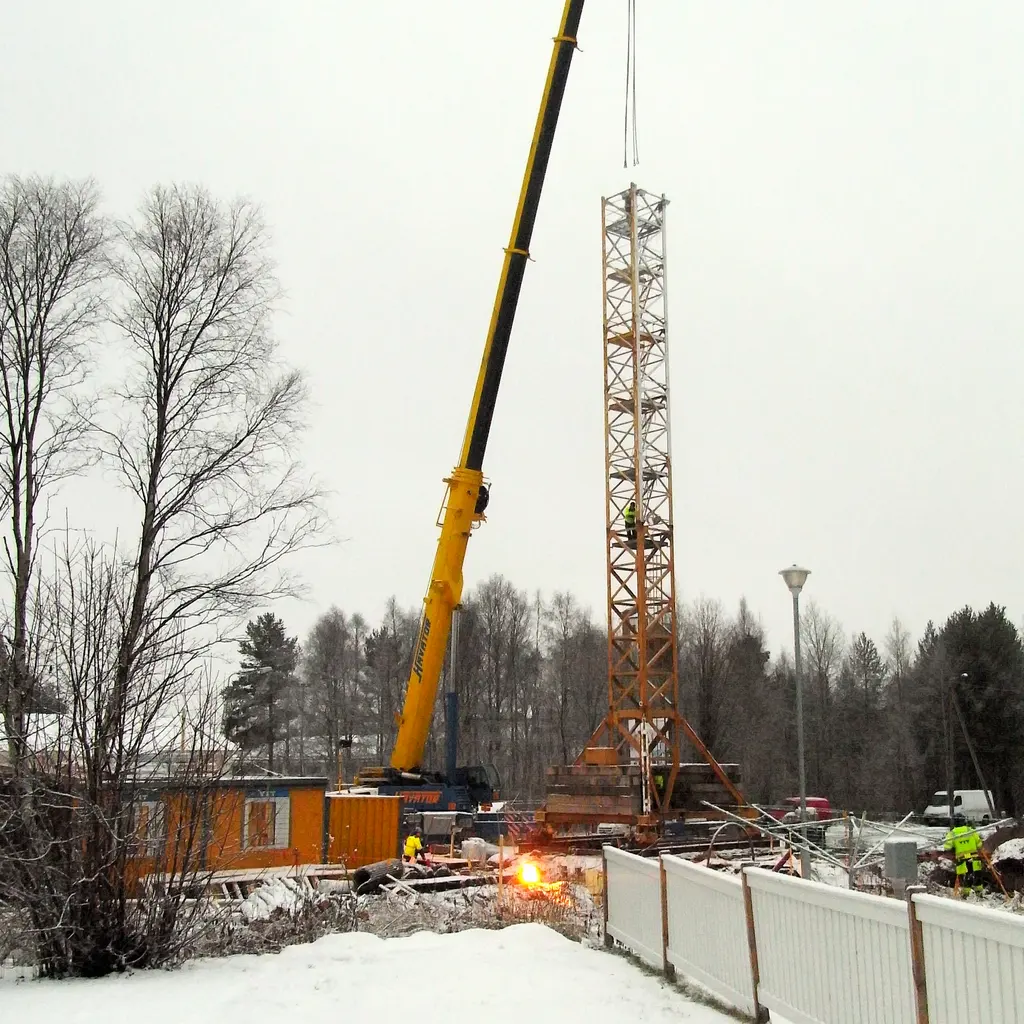
Your work involves lifting and positioning heavy, high-value industrial equipment in tight spaces. A single miscalculated lift can result in the destruction of the client's machine and catastrophic property damage.
The Southern Agency can review your maximum load values, lifting methods and custody agreements to help you choose insurance. We can compare the actual riggers' liability or property terms for client machines with protection for your own gear and liability for damage to the surrounding plant.
While a client's machine is in the rigger's care during a lift, a drop or impact can destroy valuable equipment the contractor is responsible for.
Tip-overs, sling failures, and miscommunication during heavy lifts can cause severe struck-by and crush injuries to crews and bystanders.
Maneuvering loads inside operating plants risks striking fixed machinery, walls, or systems and disrupting the client's operations.
Slings, shackles, jacks, and hoists under heavy load can fail, leading to dropped loads and resulting damage or injury.
Crews positioning, guiding, and securing heavy loads face crush, pinch, and strain injuries with high claim severity.
Soft ground or improper cribbing under a crane or jacking system can cause shifts and tip-overs during a lift.
Policies to ask about. Which ones fit depends on your operations, your contracts, and the carrier’s forms.
These hypothetical examples are not agency claim results. Whether a loss is covered depends on the facts, policy terms, and applicable exclusions.
A transformer slips from a sling and is damaged during a plant installation. Riggers liability coverage may respond to the client's property loss, depending on policy terms and the facts of the incident.
A load swings and strikes fixed piping inside an operating plant. General liability may respond to the third-party damage, subject to the specific policy, endorsements, and exclusions.
Inadequate cribbing lets a crane shift during a pick, injuring a worker. Workers' compensation may respond to the injury, depending on the specific policy and state rules.
Start with the work you do and the questions your current policies leave unanswered. Carrier options depend on your location, risk, and underwriting. Explore our approach.
It addresses a specific client-property/custody exposure, but check whether the actual arrangement is a liability endorsement or other property/rigging form and which operations it accepts. Maximum load value, pickup, lifting, jacking/skidding, storage, and transport need review; the label alone is not all-stage or all-risk cover.
Do not assume it does. Custody and property-work exclusions can affect the load. Review the actual riggers endorsement/property arrangement and accepted handling stages separately from liability for damage to the surrounding facility.
Clients may require large liability and load limits because a lift can injure people and damage several interests. Compare actual underlying/excess, riggers/load, and own-equipment terms separately; a contract limit or certificate does not establish accepted operations or cover every shutdown promise.
Schedule owned/hired cranes, hoists, powered jacks, and gear by value/use. Review accidental external damage separately from eligible internal breakdown, wear, and maintenance. Client loads and plant income are not automatically included with the crane.
Operating plants add surrounding piping/equipment, access, and shutdown responsibilities. Separate damage to the load in custody from a strike to fixed plant and any lost-production demand; one incident need not receive the same response for every interest.
Bring your questions, current policies, and relevant contracts. An agent can review coverage terms, exclusions, and the information carriers ask for, then explain the options available to you.