

Underground utility strikes
Sawing or core-adjacent cutting can sever buried gas, electric, fiber, or water lines, causing third-party damage, service interruption, and emergency response costs.
Try a different word, or check the spelling.
A marked saw line does not show everything below the pavement. Your liability review needs to consider hidden services, while slurry and dust require their own coverage attention.
The Southern Agency can help you secure coverage that reflects the mobile nature and specific jobsite hazards of slab sawing.
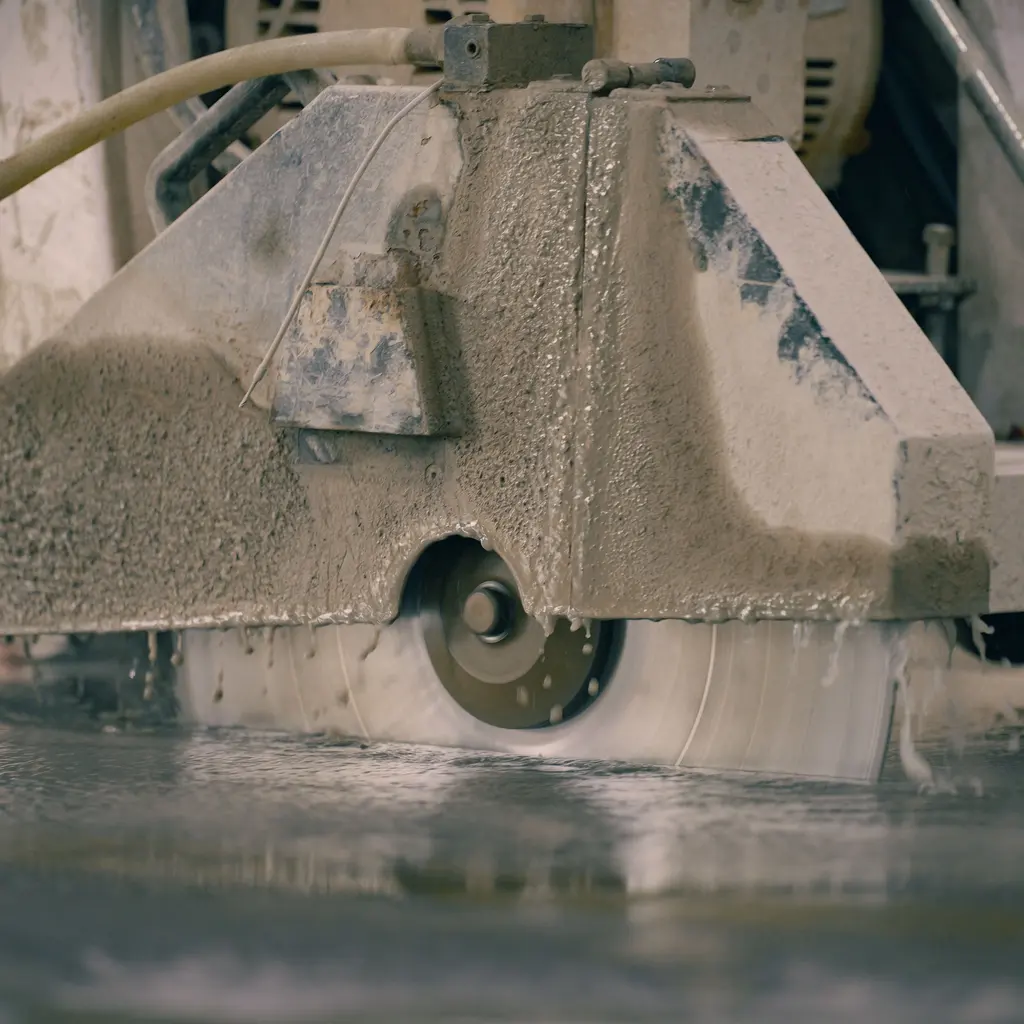
You cut concrete and asphalt for repairs or demolition, often working on active sites near buried utilities. Sawing operations generate slurry and silica dust, while transporting heavy flat saws between jobs creates significant auto and equipment exposures.
The Southern Agency can help you review your concrete-cutting operations and jobsite safety practices to help you select appropriate insurance. We can help distinguish between your needs for equipment protection for your saws and coverage for the environmental risks of slurry management.
Sawing or core-adjacent cutting can sever buried gas, electric, fiber, or water lines, causing third-party damage, service interruption, and emergency response costs.
Cutting concrete can create respirable crystalline silica exposure for operators and bystanders. Wet methods can reduce dust but do not establish safe exposure by themselves; review the task-specific controls and applicable OSHA requirements.
Kickback, blade fracture, and flying fragments can cause severe lacerations or eye injuries to operators and nearby workers.
Flat saws, diamond blades, and generators are portable and high-value, making them frequent targets for theft and prone to jobsite damage.
Concrete slurry from wet cutting can enter storm drains or soil, triggering cleanup obligations and discharge-related claims.
Over-cutting, errant lines, or cracking adjacent slabs can lead to rework and property damage claims from general contractors and owners.
Hauling saws and equipment between jobsites in trucks and trailers creates accident, cargo, and loading injury risk.
Policies to ask about. Which ones fit depends on your operations, your contracts, and the carrier’s forms.
These hypothetical examples are not agency claim results. Whether a loss is covered depends on the facts, policy terms, and applicable exclusions.
A crew cutting a trench line nicks an unmarked fiber conduit, knocking out service to nearby businesses. General liability may respond to third-party damage and interruption claims, depending on policy terms and the facts.
A diamond blade fails mid-cut and a fragment injures an operator. Workers' compensation may help with medical costs and lost wages, subject to the specific policy.
A flat saw and generator are taken overnight from a job trailer. Inland marine coverage may respond to the loss, subject to endorsements and exclusions.
Start with the work you do and the questions your current policies leave unanswered. Carrier options depend on your location, risk, and underwriting. Explore our approach.
Start with the work: liability to others, employee injuries, mobile saws, and generators, and trucks or trailers. Then review silica, slurry discharge, utility work and any required excess limits against the proposed terms. There is no single package that necessarily insures every slab-sawing operation.
General liability may respond to covered damage from cutting a utility, but check underground, earth-movement, and other relevant exclusions. Separate physical damage to the conduit or line from an outage-only financial demand. Locating records matter, but an unmarked line does not by itself determine fault or coverage.
Review silica wording in both liability and any environmental form; neither policy label establishes coverage. Identify whose exposure is alleged, the cutting operations, applicable exclusions, and notice or reporting conditions. Employee illness or injury raises workers’ compensation questions separately from claims by others.
Review the scheduled saws, generators and other covered equipment, their values and theft or transit conditions. Ask how diamond blades and other consumables are treated. Coverage for theft or accidental damage does not automatically pay for ordinary wear, a blade used up in cutting or every internal failure.
Slurry discharge can lead to cleanup or liability demands, but the policy’s pollutant definition, operations, exclusions, and reporting terms determine the response. Ask about the actual collection, discharge, and disposal arrangements. An environmental policy does not automatically cover every slurry event or regulatory charge.
Obtain the written project requirements before mobilization and compare the requested limits, insured parties, and endorsements with the proposed policies. A certificate provides evidence; it does not create coverage or guarantee the contract is satisfied. No particular wording or placement is assured merely because a general contractor requests it.
Bring your questions, current policies, and relevant contracts. An agent can review coverage terms, exclusions, and the information carriers ask for, then explain the options available to you.