

Electrical fire and arc-flash
High-voltage DC and AC wiring, inverters, and combiner boxes can cause arc-flash injuries or fires if improperly installed or maintained.
Try a different word, or check the spelling.
Your output model may influence the owner's financing decision before any panels are mounted. Professional liability for those assumptions is different from protecting components or guaranteeing energy production.
The Southern Agency can help you protect your business against the varied electrical, structural, and professional risks of solar energy work.
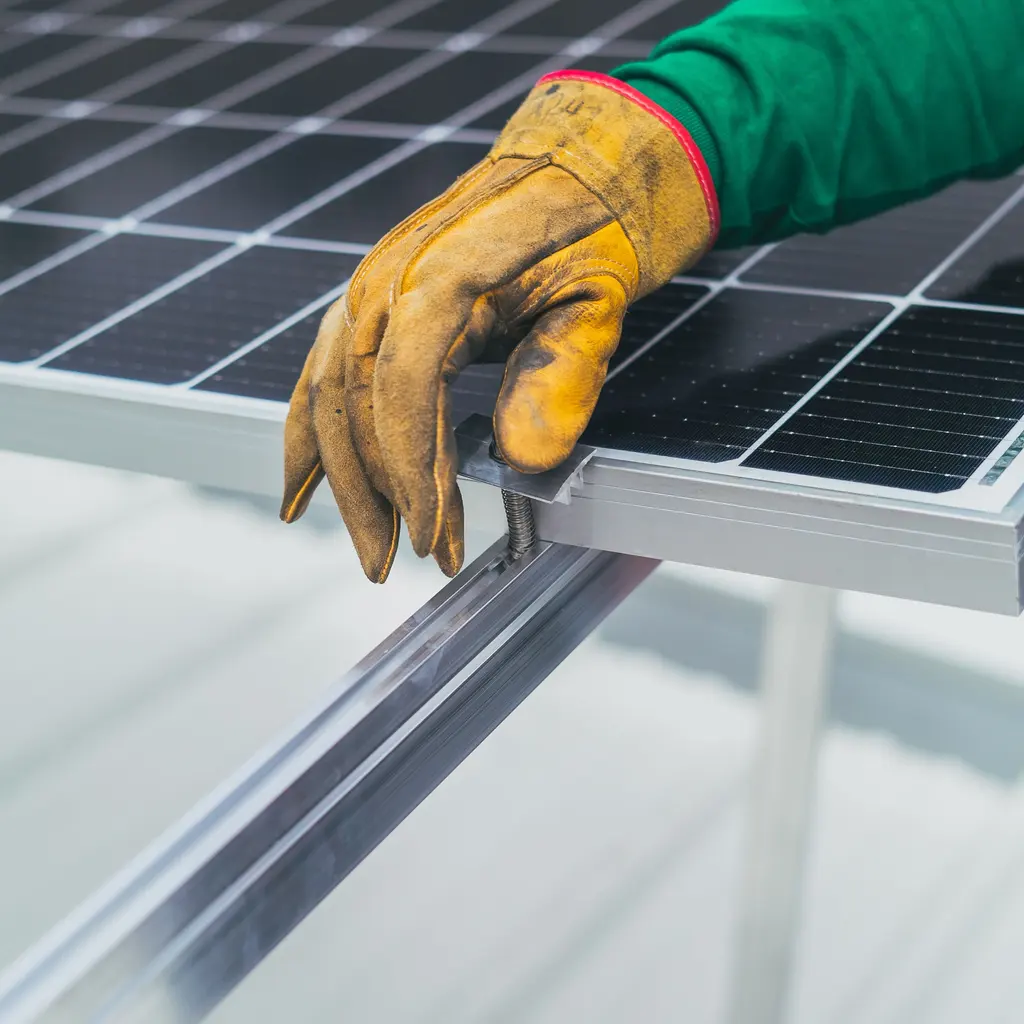
You design and install solar arrays, battery storage and EV charging systems, working at height and with complex electrical components. Design errors or faulty installations can lead to long-term structural and fire issues, while battery work adds specific environmental considerations.
The Southern Agency can help you review your design, engineering, and installation responsibilities to help you select appropriate insurance. We can assist in clarifying how your professional liability handles engineering decisions and how your property coverage applies to components in transit or at the jobsite.
High-voltage DC and AC wiring, inverters, and combiner boxes can cause arc-flash injuries or fires if improperly installed or maintained.
Installing arrays on rooftops, carports, and elevated racking exposes crews to serious fall injuries.
When a system underproduces against modeled output or financing guarantees, the owner may pursue a professional liability claim against the contractor.
Penetrations, added load, and flashing failures can cause leaks or structural issues that emerge after completion.
Lithium-ion storage systems carry thermal-runaway fire risk and potential chemical release requiring specialized response.
Panels, inverters, and racking represent high-value property that can be damaged or stolen on the way to or staged at jobsites.
A project or licensing authority may require a particular bond and insurance terms. The obligation, amount, and approval need project-specific review; a bond does not automatically guarantee production or pay every contractor claim.
Policies to ask about. Which ones fit depends on your operations, your contracts, and the carrier’s forms.
These hypothetical examples are not agency claim results. Whether a loss is covered depends on the facts, policy terms, and applicable exclusions.
A commercial array generates well below modeled output and the owner alleges a design flaw. Review the alleged professional error, services insured, and applicable reporting terms. A demand based on guaranteed yield or financing expectations is not automatically covered simply because production fell short.
A lithium storage unit enters thermal runaway and damages a structure. Identify the owner of the damaged property and the alleged responsibility for the fire. Property and liability terms may address covered physical damage; any pollution cleanup requires a separate check of the environmental form rather than treating all battery-fire costs as pollution coverage.
Hypothetical: array penetrations admit water that damages the client's interior after handoff. GL may address covered resulting harm under actual roof work, water and completed-operations terms. Keep installation and damage dates; repairing the flashing, honoring a roof warranty and later discovery are not themselves payment triggers.
Start with the work you do and the questions your current policies leave unanswered. Carrier options depend on your location, risk, and underwriting. Explore our approach.
Review site and completed-work liability, employee injuries, vehicles, and property in transit or awaiting installation. Design duties, battery work and production promises require separate attention to professional and environmental terms. Bond needs depend on the particular contract or authority, not simply the solar label.
A client may allege that a sizing or design error caused financial loss when an array underproduces. Check that the professional services are insured and review the reporting terms. Separately examine any promise of yield, savings or financing performance; a guarantee does not itself make the shortfall payable by professional liability.
Describe the battery products and your installation, storage, and service responsibilities. Review physical damage to the battery or building and liability to others separately from pollution and cleanup. An environmental policy must actually address the relevant condition; the fact that a fire involved lithium storage is not enough to establish coverage.
Check who owns the components and who bears loss in transit, at storage locations, and during installation. Review the insured property, values and covered causes under the applicable inland marine or project-property terms. A tools policy alone does not establish that all panels and inverters are included.
Obtain the specific project or licensing requirement and identify the obligee, bond type, and obligation. Bid, performance, payment, and license bonds serve different purposes. Approval and reimbursement obligations need separate review; neither insurance nor a solar contract establishes available surety capacity.
General liability may help with covered resulting property damage, depending on the roof work and completed-operations terms. Distinguish repairing the penetration or flashing from damage it caused elsewhere. Keep installation, damage, and claim dates; a leak discovered later is not by itself proof of the policy response.
Bring your questions, current policies, and relevant contracts. An agent can review coverage terms, exclusions, and the information carriers ask for, then explain the options available to you.