

Falls from roofs and ladders
Mounting panels at height exposes installers to serious falls from roofs, ladders, and access equipment.
Try a different word, or check the spelling.
Your array has to share a roof with the building's existing load and weather protection. Installation liability deserves consideration beyond the value of the panels and racking waiting on site.
The Southern Agency can help you align your installation operations with appropriate liability, equipment, and worker coverage.
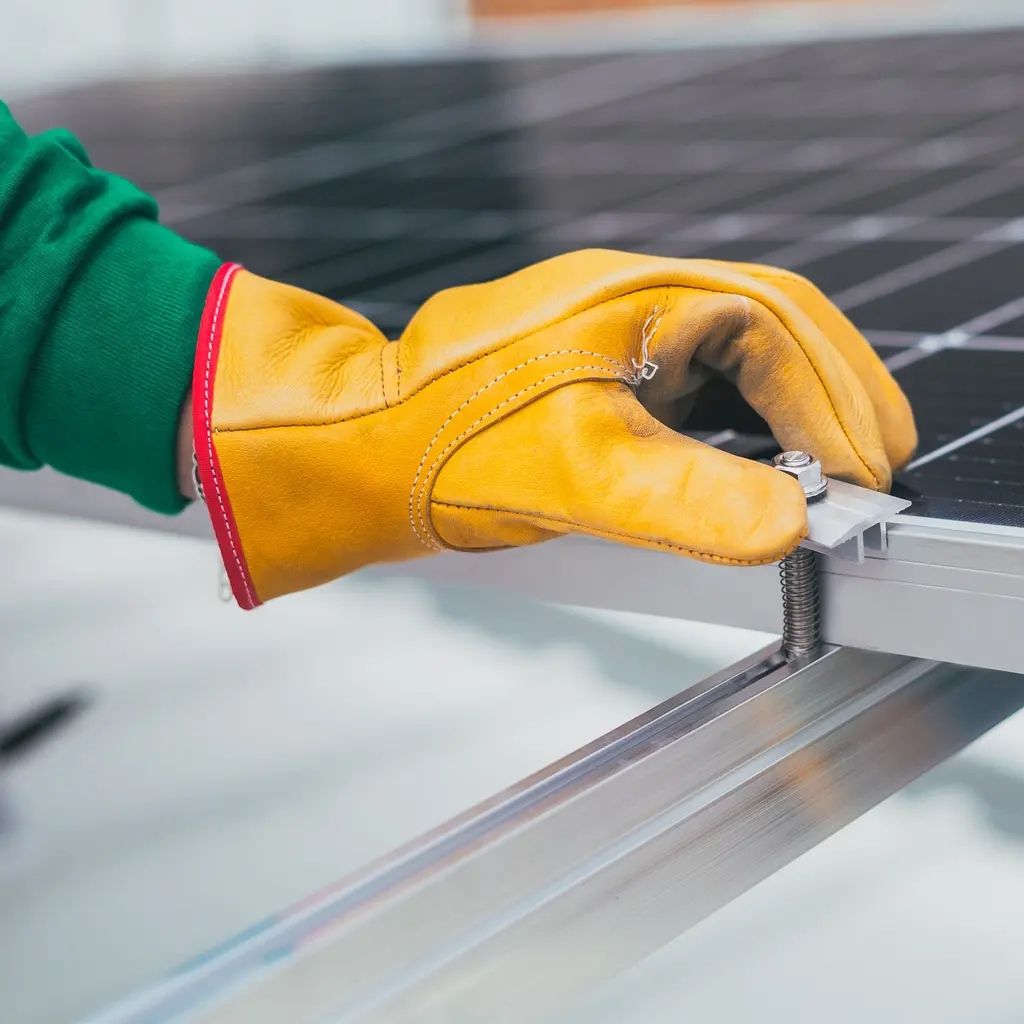
You mount racking, handle panels at height and make electrical connections on buildings with existing roof loads and weather protection. A dropped panel can damage another part of the home, while a penetration or wiring problem may only cause damage after the system is handed over.
The Southern Agency can review your installation techniques, such as mounting and conduit work, to help you select appropriate insurance. For example, we can discuss how inland marine insurance may cover your tools and panels in transit or on-site, distinct from the general liability needed for potential roof leaks or third-party injuries.
Mounting panels at height exposes installers to serious falls from roofs, ladders, and access equipment.
Penetrations and flashing that later fail can cause water intrusion, leading to completed-operations claims well after the job ends.
Connecting panels to inverters and the home's service carries shock risk to crews and fire risk if wiring is faulty.
Panels, racking, and inverters staged at a jobsite before mounting are high-value targets for theft and weather damage.
Dropped tools or panels can damage roofs, gutters, landscaping, vehicles, or finished surfaces around the home.
Added array weight on an aging or undersized roof can prompt allegations of structural damage.
Policies to ask about. Which ones fit depends on your operations, your contracts, and the carrier’s forms.
These hypothetical examples are not agency claim results. Whether a loss is covered depends on the facts, policy terms, and applicable exclusions.
Hypothetical: a crew member slips on a steep roof during installation. Workers' compensation may provide qualifying benefits under actual employment and state law. Identify direct/subcontract employer and rooftop duties; fall-protection records support review but do not settle benefit responsibility or certify the setup.
Hypothetical: failed penetration flashing lets water damage a client's ceiling after installation. GL may address covered resulting harm under accepted roof work, water and completed-operations terms. Preserve work, handoff and damage dates; replacing flashing and discovery months later do not themselves establish payment.
Hypothetical: panels staged overnight for installation are stolen. Project-property or installation terms may address covered theft if the actual components, ownership, values, location and security are included. A tools policy or the owner's project certificate alone does not establish that your panel interest is insured.
Start with the work you do and the questions your current policies leave unanswered. Carrier options depend on your location, risk, and underwriting. Explore our approach.
Review liability for injury or damage to others, workers’ compensation for the crew, vehicle use, and insurance for tools. Project materials and installed work need separate property review, whether under builders risk or an installation floater. Design duties or production promises should also be disclosed, and excess limits depend on the underlying coverage and project requirements.
General liability may respond to covered resulting property damage from completed roof work. Repairing failed flashing or the penetration itself is a different question from repairing damage it causes. Review the completed-operations terms and relevant work, damage and claim dates rather than relying only on when the leak was discovered.
Builders risk or an installation floater may help, but identify who owns the components and who insures them in transit, overnight storage, and at the jobsite. Check the property description, values, theft conditions, and the point coverage ends. A policy for tools alone does not establish coverage for all panels or racking.
Describe your fall-protection and access arrangements accurately for the insurance review. They do not establish that every rooftop operation is insured or guarantee a lower premium. Requirements for protecting workers apply separately from the policy’s covered operations and terms.
General liability may help with covered damage to other property, but identify what was struck and the work underway. The panel itself, property being worked on and property in your custody may be treated differently. Responsibility and payment depend on the facts and exclusions, not merely on the fact that something fell.
Ask the homeowner, lender or financing party for the written requirements that apply to the project. Compare requested limits, insured interests, and endorsements with the proposed policies before installation. A certificate cannot add coverage, and neither the requested wording nor the ability to meet it should be assumed.
Bring your questions, current policies, and relevant contracts. An agent can review coverage terms, exclusions, and the information carriers ask for, then explain the options available to you.